Floodwaters Recede, But Tensions Rise Between Central Provinces
Prolonged flooding in the border area of Ongkharak district (Nakhon Nayok) and Pathum Thani province has sparked disputes over water flow, with locals removing sandbag barriers to drain water from their area while the neighboring province cannot accept more. The conflict stems from fragmented provincial authority and encroachment on natural waterways, underscoring the need for centralized watershed management and fair compensation measures.
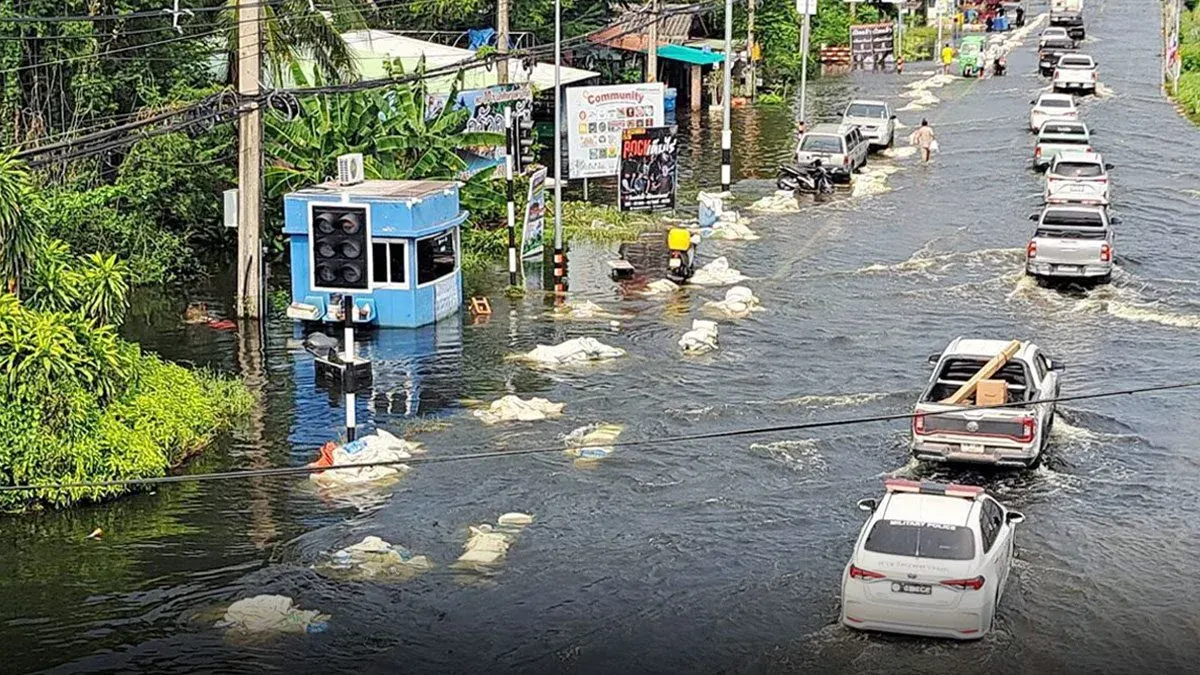
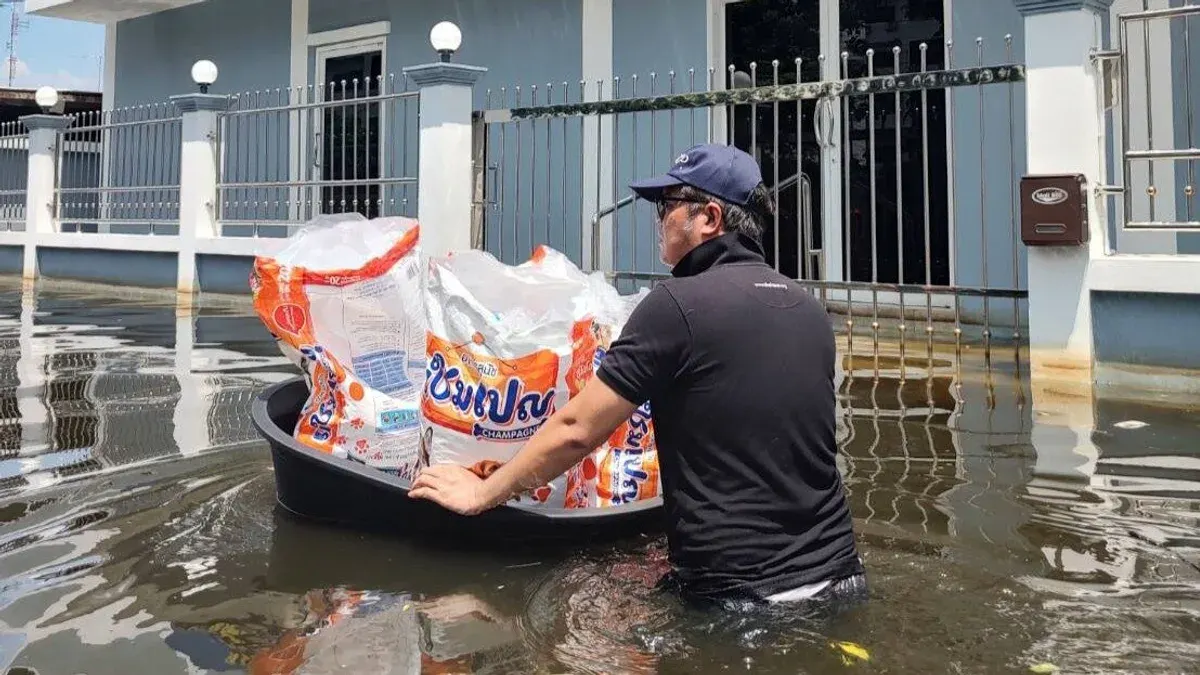
The problem accompanying major floods is now most evident in the border area between Ongkharak District in Nakhon Nayok Province and Pathum Thani Province, where residents face long‑standing inundation. Their distress has turned into conflict over when to open or close waterways, to the point that local groups have removed sandbag embankments along Canal 15 to let water flow out of their own area. At the same time, Pathum Thani is also experiencing high water levels and cannot take on more water. No side is purely right or wrong, selfish or selfless; the root cause is the interconnected low‑lying terrain that floods ignore administrative borders, while government authority remains divided by province. In normal times each province handles its own area, but when floodwater spills across boundaries, that authority cannot follow the water. Meanwhile, agricultural, community and urban expansion has encroached on natural watercourses, reducing the land’s capacity to hold water and allowing the problem to accumulate and intensify. Opening a drainage channel in one area can immediately cause flooding elsewhere, so an immediate solution requires a neutral authority with watershed‑level decision‑making power, rather than each province acting independently to protect its own territory. In response, the government has established a central water‑management mechanism for the region, mandating the use of a single data set and adopting a “single command” approach to unify decisions—a step that must be taken quickly because public perception of fairness is as important as draining the water. The principle of sharing both hardship and benefit must be realised: upstream, midstream and downstream communities need to know in advance what impact they will face, how much water they will have to accept, and what assistance the state will provide. If it becomes necessary for one area to absorb water to protect another, fair compensation and remedial measures must be in place, with transparent information shared with the public. The government must therefore hurry to make cross‑provincial water management a single system, with a clear decision‑maker using one data set and a drainage plan open to public scrutiny. Otherwise, if each community merely defends its own space, the flood issue will not end at water level but will escalate into conflict between people and between provinces. Authorities urge action now: although water levels may be dropping, public feelings of conflict are rising, and without systemic reform and genuine fairness, a water crisis could become a crisis of social relations. Water may recede, but tensions among people are growing.