Senate Warns EU FTA Could Trigger Drug Crisis in Thailand
Thailand’s Senate debated the Thailand–EU Free Trade Agreement on October 6, 2026, with Senator Dr. Prem Sakda warning that the deal could allow multinational drug firms to dominate the market and drive up medicine costs. He said generic drugs could be delayed by up to 11 years, raising national drug spending by at least 130 billion baht in the first decade and potentially collapsing the country’s health‑fund system. The senator urged the government to protect public health exceptions, increase transparency, and support domestic pharmaceutical research before committing to the agreement.
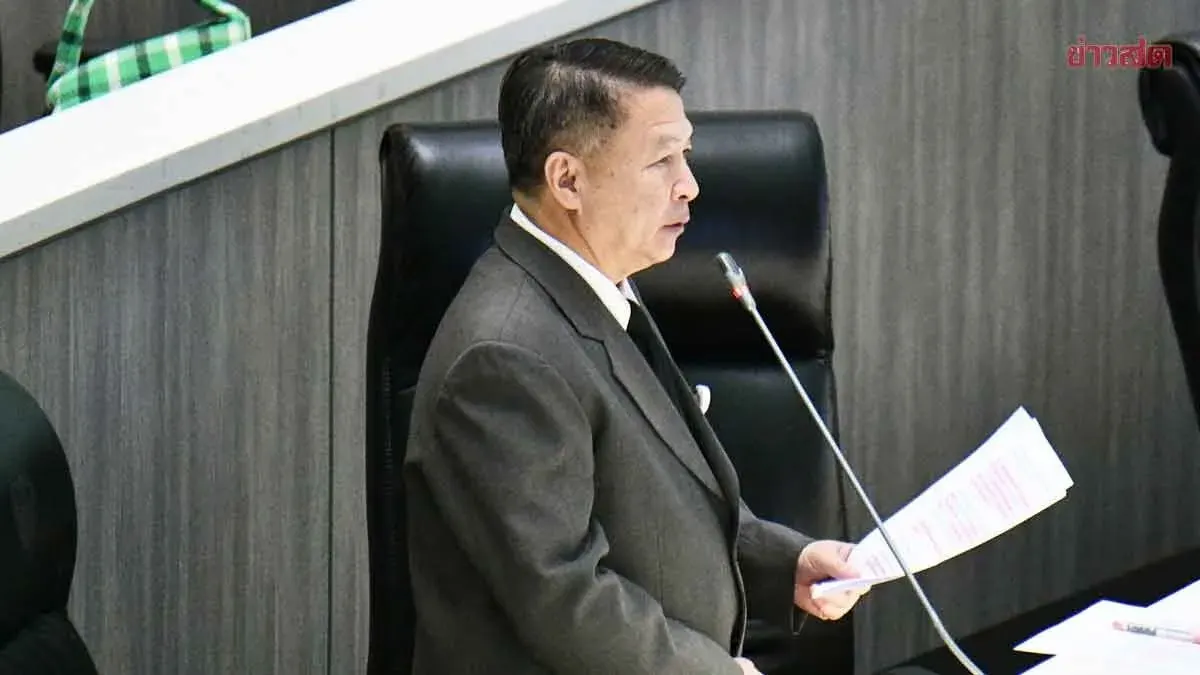
On October 6, 2026, the Senate met at Parliament to consider a motion on monitoring and proposing directions for negotiating the Thailand–EU Free Trade Agreement to protect national interests, farmers, and public access to medicines and health. Senator Dr. Prem Sakda Piayura urged the government to show clear readiness and health guarantees before committing to long‑term obligations, warning against exchanging people's breath for short‑term economic figures. He said Thailand could become a pawn of multinational pharmaceutical firms, resulting in a “drug tsunami” that would devastate the public health system.
Dr. Prem explained that the main sticking point in the ongoing Thailand‑EU FTA talks is intellectual property and public access to medicines. If the government follows the advantage‑laden agenda of the counterpart without caution, Thailand will face a major disaster because foreign pharmaceutical companies will monopolize the market, delaying the availability of cheap generic medicines by two to eleven years. Academic assessments indicate that in the first ten years after signing, Thailand’s drug expenses will rise by at least 130 billion baht, climbing to 3.7 trillion baht within thirty years—a figure comparable to the country’s entire annual budget.
This would overwhelm the three main health funds—the universal coverage scheme, civil servant welfare, and social security—making them unable to bear the cost and risking collapse. Dr. Prem warned that if the FTA is approved, a drug tsunami would strike Thais, creating a medicine security crisis; patients with chronic diseases, heart disease, cancer, and HIV would face astronomical drug prices they cannot afford, possibly leading them to say it would be better to die than to bear the cost.
He added that Thailand’s domestic pharmaceutical industry, which relies on imports for 70% and produces only 30% locally, would collapse, and the Government Pharmaceutical Organization would not survive because the country would be shackled by long‑term legal constraints.
Before it is too late, Dr. Prem urged the government to take a firm stand, not trade lives for commercial gains, reject excessive intellectual‑property measures, protect public‑health exceptions such as compulsory licensing during crises, make the negotiation framework transparent, listen to civil society, and seriously support research and development of herbal medicines and domestic vaccine production.
He concluded: “This is a crucial test for the government: will it uphold the interests of the majority or yield to transnational gains? History will record whether this administration stands on a foundation of careful prudence for the greatest benefit of Thailand and its people.”