Thailand-EU Trade Deal Enters Final Phase With Phuket Talks
Thailand and the EU have agreed on two-thirds of chapters in their free trade deal, with final negotiations scheduled for late September in Phuket before legal review and Cabinet approval.
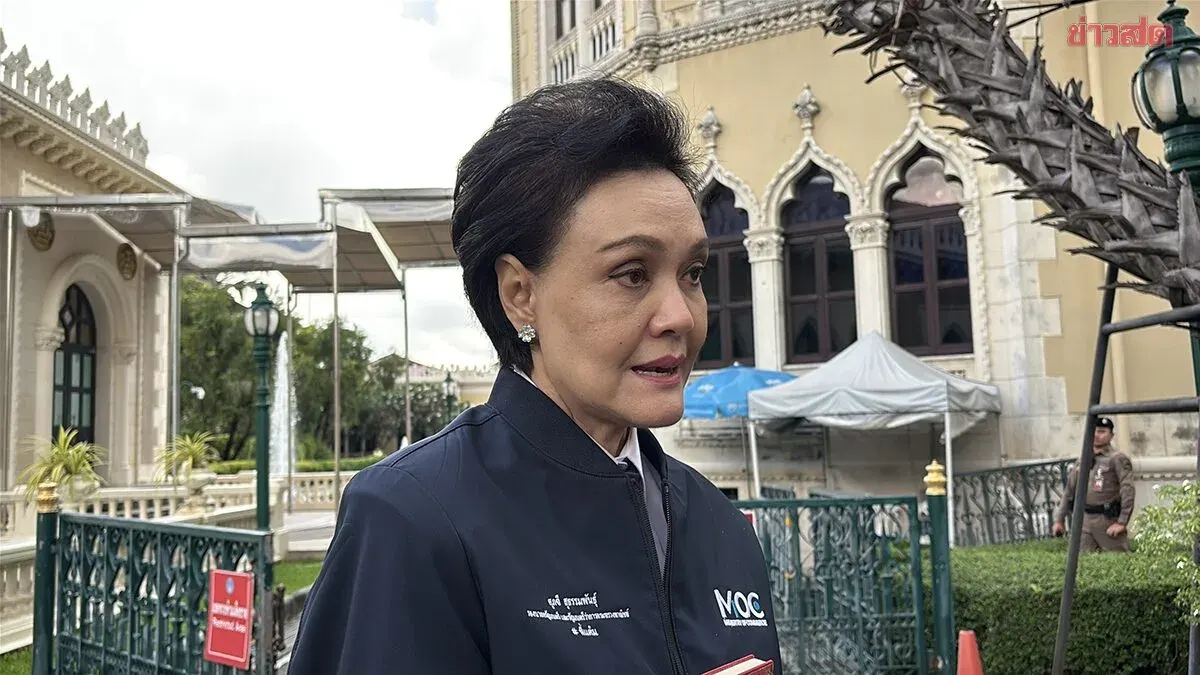
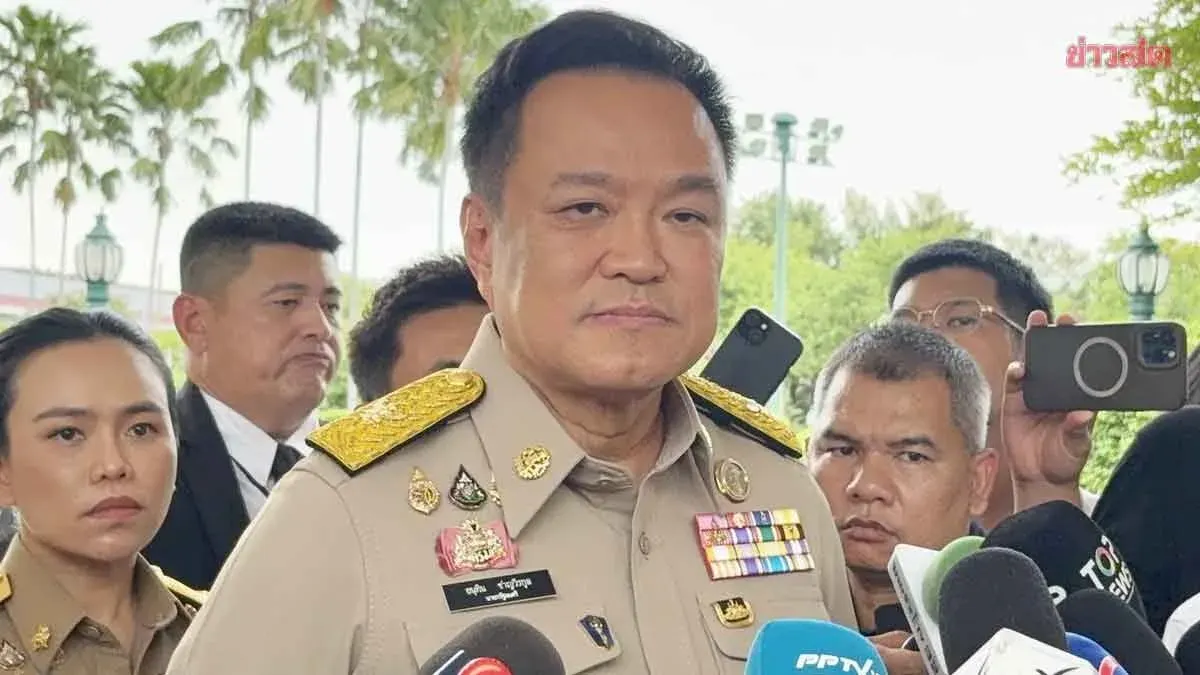
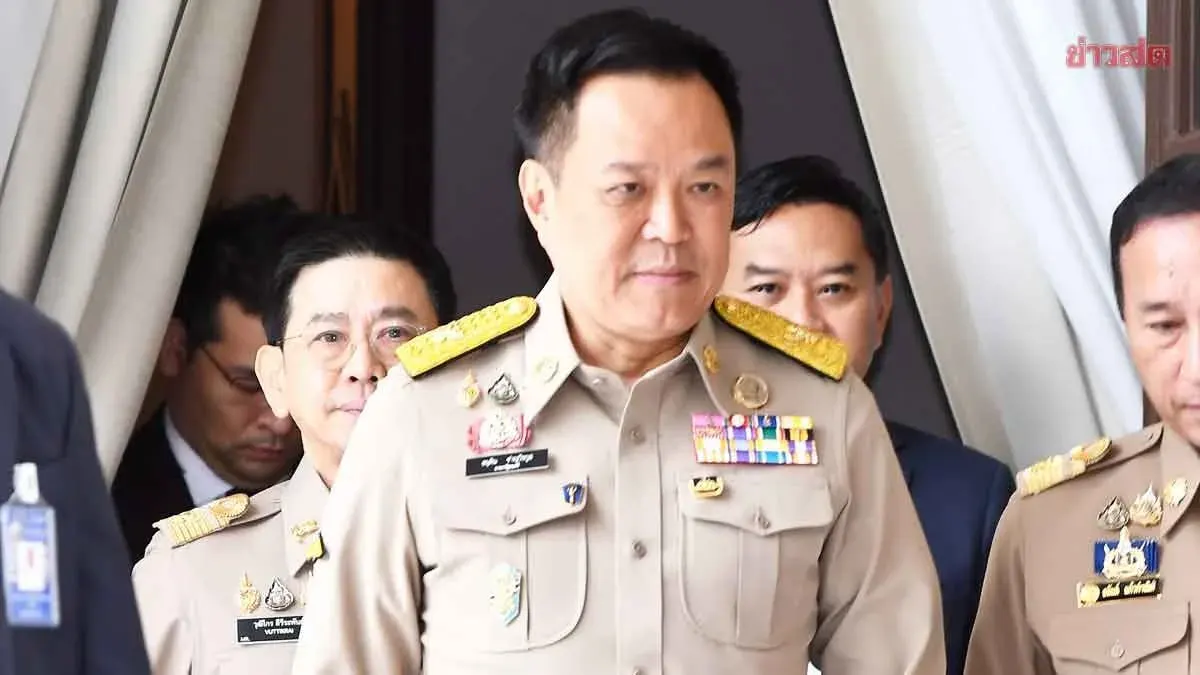
Deputy Prime Minister and Commerce Minister Suphajee Suthummaphand reported on September 18 that the second 2025 meeting of the task force driving Thailand-EU Free Trade Agreement negotiations has achieved agreement on approximately two-thirds of all chapters, with one-third remaining. The 10th round of negotiations is scheduled for September 28 in Phuket, where negotiators will meet with EU representatives for about one week with the goal of finalizing all remaining chapters.
After those negotiations conclude, the agreement will enter the legal review and wording refinement stage before drafting the final agreement and signing. The draft will then be submitted to the Cabinet for approval and referred to Parliament for consideration, with the entire process expected to take approximately one year.
On sensitive goods, both Thailand and the EU continue to follow principles established during the 9th round in Brussels, Belgium, by setting exemptions for sensitive products while moving forward to open markets for goods that create mutual benefit. Prime Minister Anutin Charnvirakul, who chaired the meeting, instructed relevant agencies to maintain a unified negotiating framework balancing Thailand's primary position—maximizing the country's benefits—with a fallback position setting minimum acceptable terms.
Suphajee stated that opening the EU market will strengthen Thailand's competitiveness, reduce reliance on traditional markets, and create more balanced trade relations for Thailand. The FTA is also crucial for attracting foreign direct investment from the United States, China, and Japan to establish manufacturing bases in Thailand and utilize tariff benefits for exporting to the EU market.
According to the Institute for the Future, a successful Thailand-EU FTA would increase Thailand's GDP by 1.28 percentage points from its current growth rate of over 2 percent, potentially enabling the Thai economy to expand beyond 3 percent annually, while exports would increase by 2.8 percent.