Revered Monk's Closed-Eye Buddha Amulets Explained
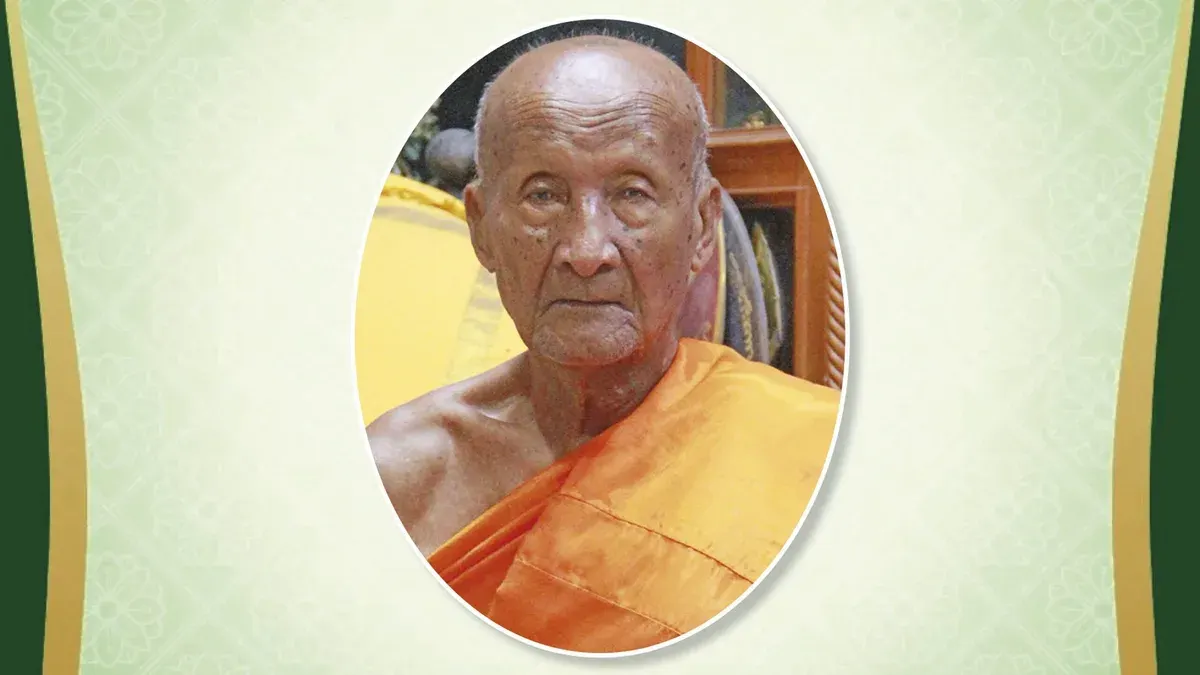
Luang Pu Nak, a revered abbot at Nakhon Pathom's Huay Crocodile Temple, crafted highly sought closed-eye Buddha amulets from Mekvad metal using ancient Thai alchemical techniques and elaborate ritual inscription methods dating back to the 1
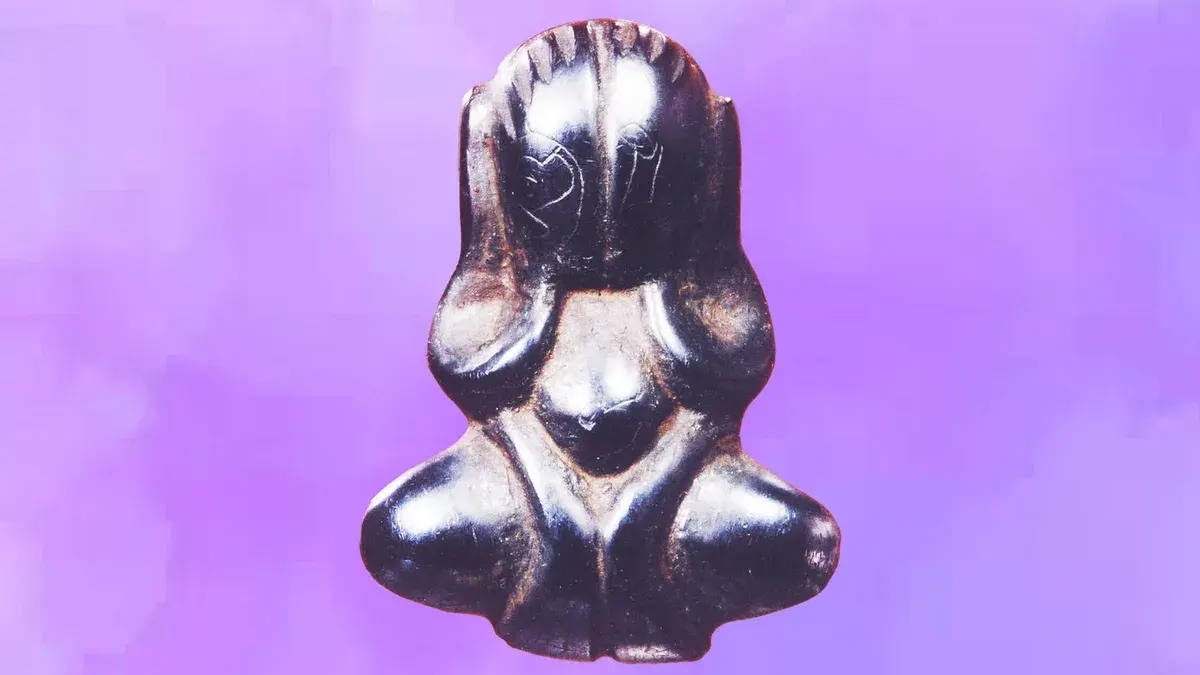
Luang Pu Nak Chotigo, a respected former abbot at Huay Crocodile Temple in Nakhon Pathom's Muang district, became famous for crafting closed-eye Buddha amulets made from Mekvad metal, derived from ancient Thai alchemical transmutation practices believed to possess supernatural properties. Mekvad is a lead-and-copper alloy created through elaborate procedures requiring numerous medicinal herbs—including sulfur, mercury, black cardamom, turmeric, ginger, and blood soap—mixed and heated in a crucible to produce a glossy black metal.
Historical records show Luang Pu Nak began making these amulets between 1889 and 1892 at Nakhon Pathom Temple, producing them in gold, silver, and green metals. Early castings lacked standardization until three popular moulds emerged: the flat-belly, round-belly, and rabbit-ear styles. The amulets were inscribed with sacred marks using an unusual method—Luang Pu Nak would take finished amulets to a riverbank near the temple and submerge them to engrave letters underwater, allowing them to float back to the surface for disciples to collect.
Another inscription method involved locating crab burrows in rice fields or along canal banks. Luang Pu Nak would stand with his right foot blocking the burrow entrance, perform meditation and chanting, then inscribe the amulet while in that state. Once complete, he would chant protective water blessings over the burrow to safely release the crab, preventing it from becoming trapped. These elaborate rituals elevated Luang Pu Nak's Huay Crocodile amulets to supreme status among all Mekvad closed-eye Buddhas, earning them tremendous popularity through both their spiritual power and the ancient alchemical craftsmanship involved.