Lawmaker Warns of Foreign Lobby Push for Plant Seed Law
A Thai lawmaker warns that foreign lobbying pressure linked to EU trade negotiations threatens to pass a strict plant variety law that would strip farmers of seed-saving rights and dramatically raise seed costs. The UPOV 1991 convention, al
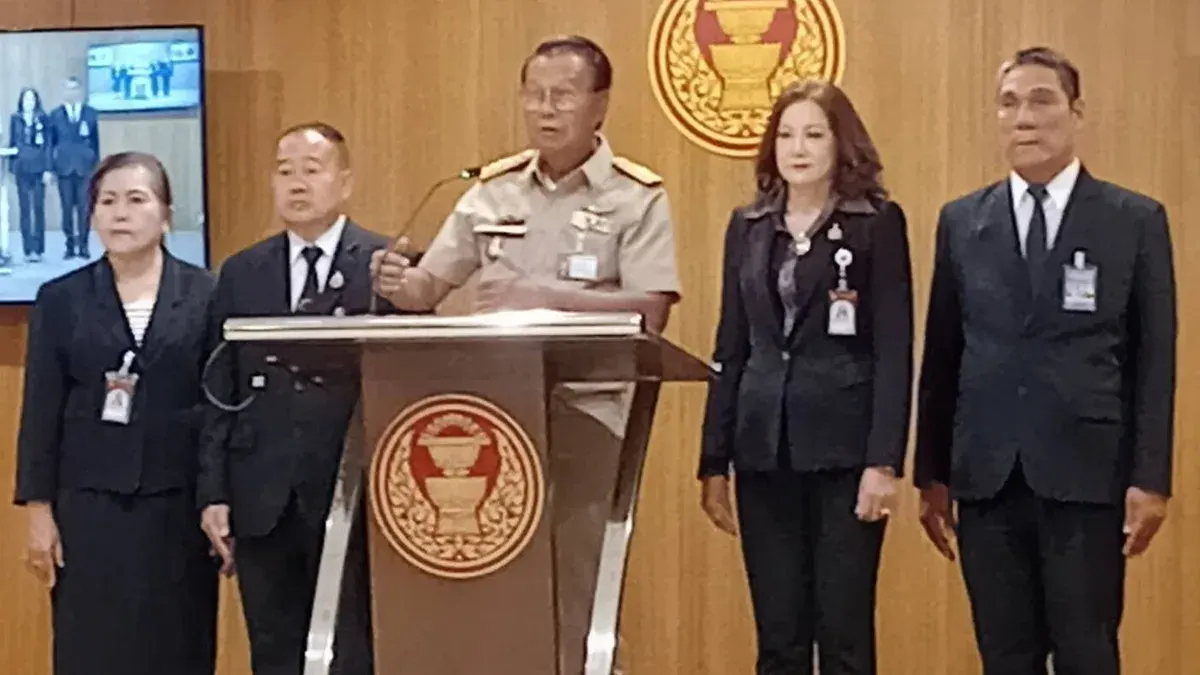
On September 24, Boonruai Yamchinda, a list-system MP and leader of the Ruam Jai Thai Party, revealed that farmers nationwide are anxious about future hardship stemming from special-interest pressure over a new International Convention for the Protection of New Varieties of Plants (UPOV 1991), linked to Thailand-EU free trade negotiations. He called on the Ministry of Agriculture and Cooperatives to clarify the proposal to the public and delay passage of the law.
Boonruai alleged that foreign capital is funneling enormous sums through Thai politicians to push the legislation via lobbyists, specifically naming an American, "Mr. Tony," from the Washington-based BGR Group—a firm previously hired by former Prime Minister Thaksin Shinawatra to help arrange asylum matters between 2006 and 2015, and well-known to Thai political circles.
Boonruai warned that if the draft law passes Parliament, it will severely harm Thai farmers, and urged the government to educate farmers and delay the legislation. UPOV 1991 grants exclusive rights to new plant breeders—both state and private seed companies—to control production, breeding, and sale of registered varieties. Key farmer concerns include loss of seed-saving rights under UPOV 1991, which is stricter than the current 1999 Plant Variety Protection Act that currently permits replanting saved seeds, and dramatically higher seed costs, with consumer advocates estimating seed prices could rise two to six times as farmers become dependent on commercial suppliers rather than their traditional practice of saving seed.
The Thailand-EU free trade agreement, nearing completion, includes Article X.51 requiring Thailand to upgrade plant variety protection laws to meet UPOV 1991 standards, replacing the existing 1999 Act.