Farmers' Group Opposes Plant Protection Law Amendment
Thai farmers' group opposes amendments to plant protection law, fearing restrictions on seed-saving rights and potential loss of traditional rice varieties that form both a livelihood foundation and national heritage.
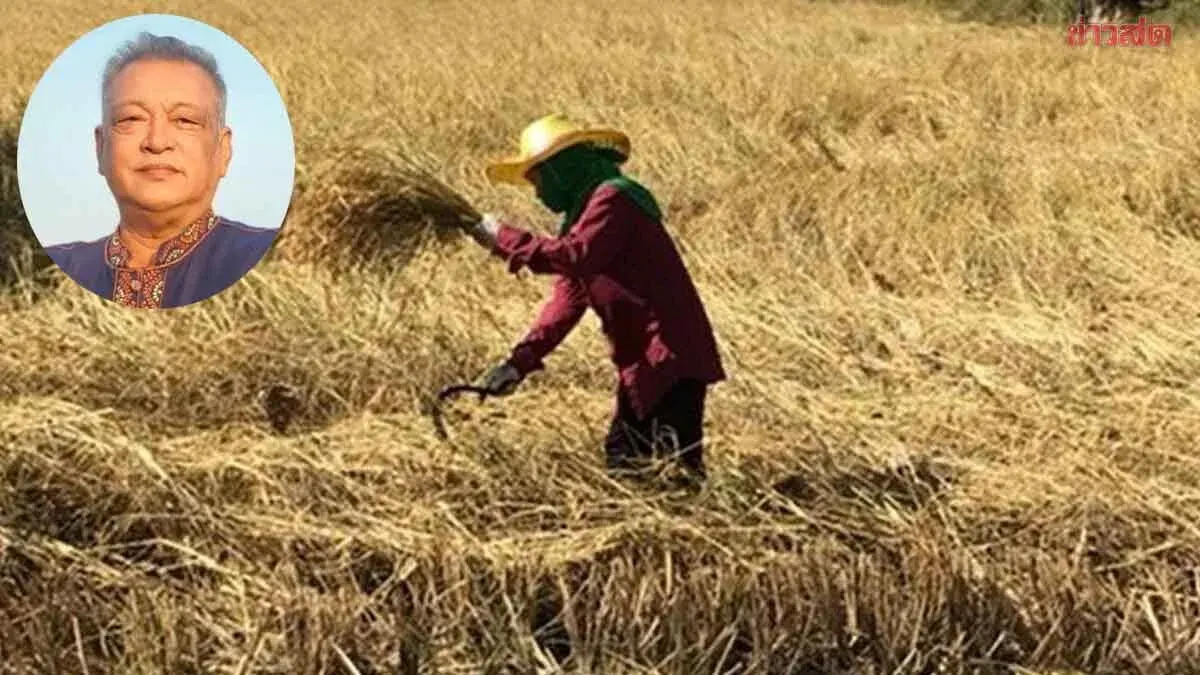
The Thai Farmers Association is opposing amendments to the Plant Protection Act of 1999 over concerns that the changes could restrict farmers' rights to save, exchange, and replant seeds. Association chairman Pramodth Charoensilp said the group has multiple questions about how farmers will benefit from the amendments and what constraints they may face on seed use.
The association is demanding detailed clarification from government agencies on how the amendments will affect farmers' rights to save, use, and access seeds, as well as measures to protect Thailand's heirloom rice varieties. These traditional strains are considered both a farmer asset and a national treasure. Officials worry that if traditional varieties are researched and improved by companies, farmers may lose the right to save and replant those seeds and may be forced to buy new seeds annually.
Historically, Thai farmers have saved seeds for personal use, exchanged seeds with other farmers, and sold seeds to one another. Farmers currently need approximately 1 to 1.2 million tonnes of rice seed per year, but government agencies cannot produce enough to meet demand. Charoensilp said this shortfall is a critical weakness that affects both yield and variety quality.
Farmers face additional challenges beyond seed issues. Production costs currently average 6,000 to 6,500 baht per rai, covering fertilizer, fuel, chemicals, and cultivation expenses, while farmers often receive only 4,500 to 6,000 baht per rai for their harvest. Weather problems—both flooding and drought—compound these difficulties, particularly in northeastern rainfed rice areas growing jasmine rice. Some areas require replanting two or three times after seeds fail to germinate during dry spells or when subsequent rains cause flooding.
Regarding aid, Charoensilp said approximately 230,000 farming households are still waiting to receive 1,000 baht per rai in outstanding assistance—requiring a budget of 1.846 billion baht—but have been waiting about four months. The issue is expected to be submitted to the Cabinet for consideration. The association has also proposed a new round of aid of 2,000 baht per rai for up to 20 rai per farmer, submitted to the National Rice Policy and Administration Committee, pending consideration by a production subcommittee. Multiple scheduled meetings have been postponed while farmers await government clarity on support measures.