Trust Remains Central to Thai Political Tensions
The Pheu Thai-led opposition removed Palang Pracharath from its bloc after the party voted to approve a contested budget bill, but the split poses no parliamentary threat as opposition numbers remain sufficient to file no-confidence motions
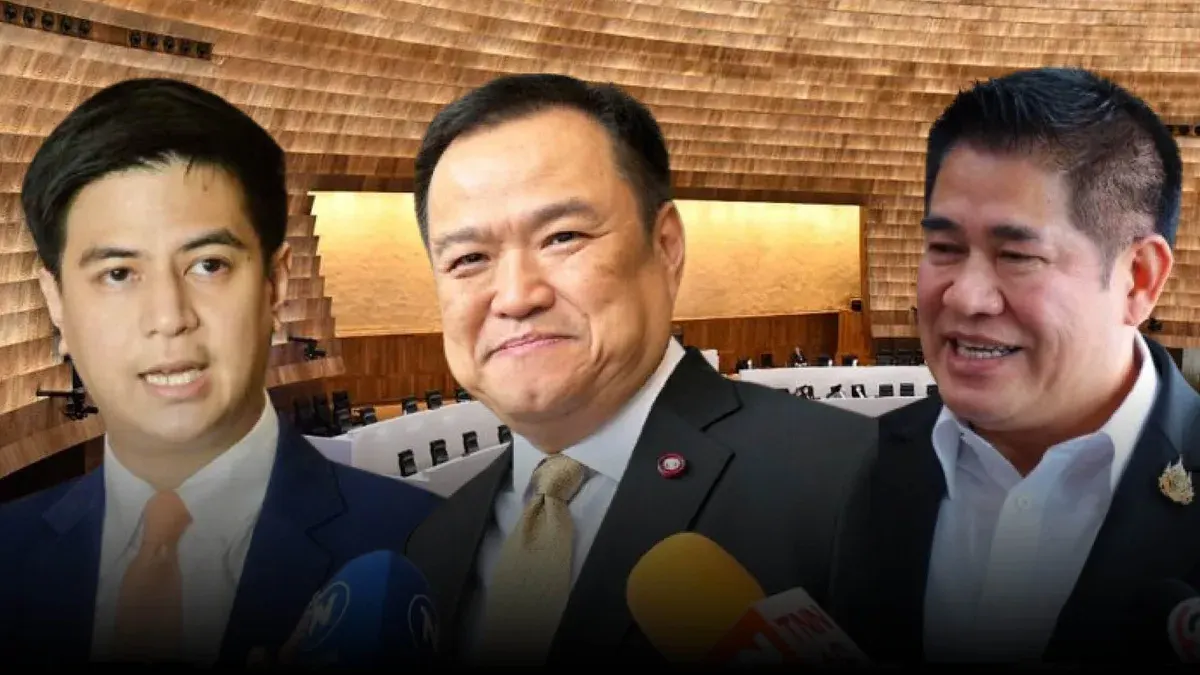
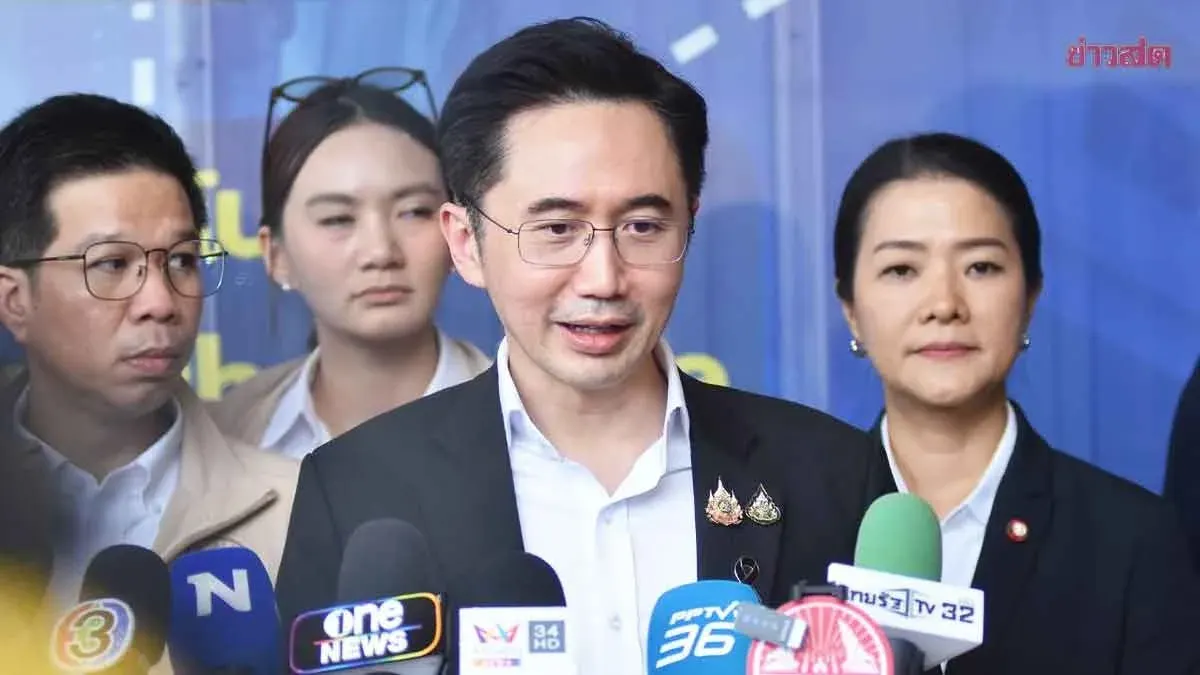
An unusual development in Thai politics has emerged as the Pheu Thai Party, led by the opposition coalition leader, announced the removal of representatives from the Palang Pracharath Party from the opposition bloc. In essence, Palang Pracharath is no longer counted as an opposition party in this parliament. Normally, vote counts are crucial for government formation, requiring more than half of parliament's support to elect a prime minister, and a majority is needed to pass legislation and maintain confidence votes if facing censure. The opposition requires at least 100 votes or one-fifth of parliament to file a no-confidence motion. Although removing Palang Pracharath's 58 votes reduces opposition numbers, they retain more than one-fifth, presenting no parliamentary obstacle. The split appears rooted in opposition disapproval of the 2570 budget bill, which Palang Pracharath members voted to approve rather than abstaining—a choice that raised questions about the party's alignment.
With no-confidence debates on the government approaching, the timing is significant. Whether individual or collective censure motions proceed, the opposition must carefully guard their arguments from leaking and avoid wasting parliamentary time on unproductive attacks. On the government side, Deputy Prime Minister Anutin Charnvirakul faces a critical decision on how to handle Palang Pracharath. The government's real problem is not parliamentary support but eroding public confidence, damaged by controversies including local election cheating allegations, questions over deputy election procurement integrity, underperforming flagship programs like Thai Helps Thai Plus and the AI passport initiative, and management failures in both the economy and flood response. Integrating Palang Pracharath into government might either shore up weak points or create additional vulnerabilities and targets for attack, while cabinet seat redistribution internally could breed fresh instability. Ultimately, this episode underscores a timeless political lesson: trust remains paramount. Without confidence, opposition parties cannot govern and government allies will not support them. All that remains is a precarious middle ground.