Gold Eyes $4,400 Resistance as Oil Weakness Eases Inflation Pressure
Gold holds above $4,300 and approaches $4,400 resistance as lower oil prices ease inflation concerns, though analysts warn investors to watch for volatility from US dollar movements and Federal Reserve policy shifts.
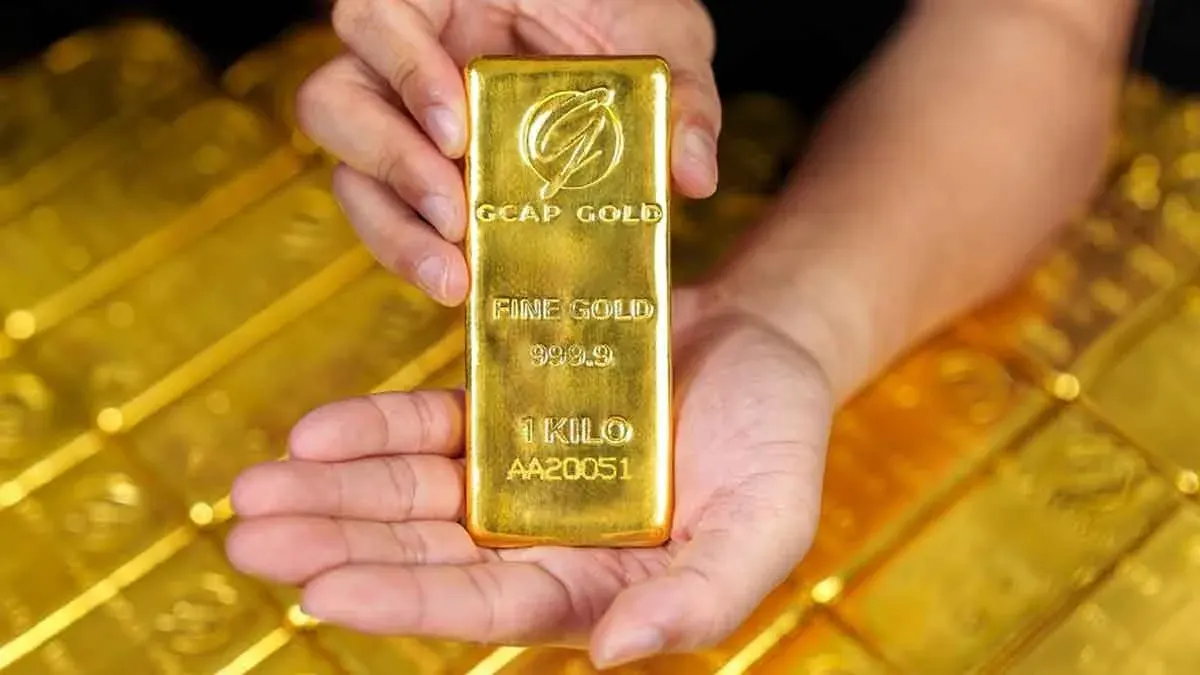
Gold prices are signaling continued recovery after holding above $4,300 and approaching the key $4,400 resistance level, supported by lower oil prices that ease inflation concerns and reduce selling pressure in the gold market. Areerat Murajai, head analyst at GCAP Gold, cautioned that investors must remain vigilant about volatility from US dollar movements, US Treasury bond yields, Federal Reserve interest rate trends, and Middle East tensions.
For investment strategy, analysts recommend waiting to buy during price pullbacks and building a base around $4,330–$4,300 (approximately 68,250–67,800 baht), with short-term resistance for taking profits at $4,400–$4,420 (approximately 69,200–69,500 baht). If gold breaks above $4,420 (around 69,500 baht) with strength, it could open the way for a test of $4,500 (approximately 70,500 baht). However, if prices drop below $4,300 (approximately 67,800 baht), investors should pause and wait for a new base before entering again.
Key factors to monitor include Fed statements following their recent 0.25% rate hike, with the Dot Plot signaling at least one more increase by year-end. If the Fed emphasizes inflation risks, it may support a stronger dollar and higher bond yields, limiting gold's recovery. Conversely, if the Fed signals it will wait for more economic data, this could reduce pressure and allow gold to continue rising. The 10-year US Treasury yield, moving near 5%, is also critical—yields above that level increase the opportunity cost of holding gold, while weakening yields would support gold recovery.
Middle East tensions remain a double-edged sword. Although oil prices have weakened, they remain near $100 per barrel, and recent missile and drone attacks on Riyadh raise security concerns for energy infrastructure and supply routes. Escalation could push oil prices higher and trigger safe-haven buying of gold, but it would also increase inflation risks and the likelihood of continued Fed tightening.