Agriculture Ministry Rejects Plant Variety Treaty If It Harms Thai Farmers
Thailand's Agriculture Ministry will only adopt UPOV plant protection standards if they benefit Thai farmers, rejecting the international treaty if it risks disadvantaging the agricultural sector during trade negotiations.
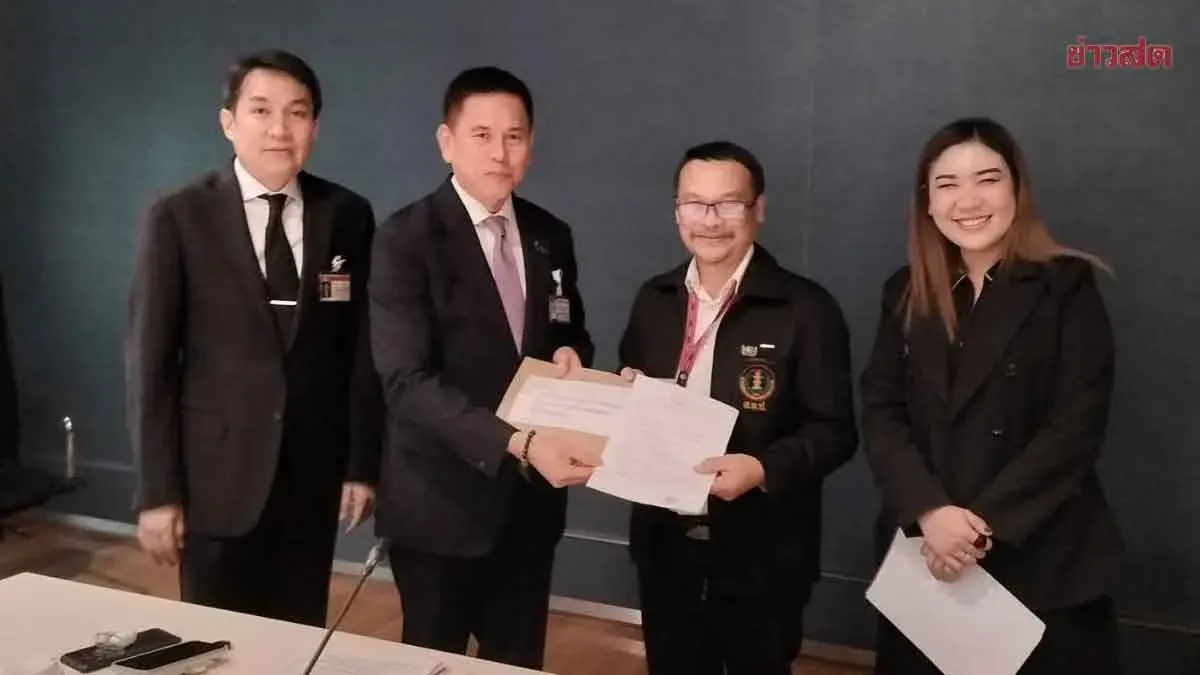
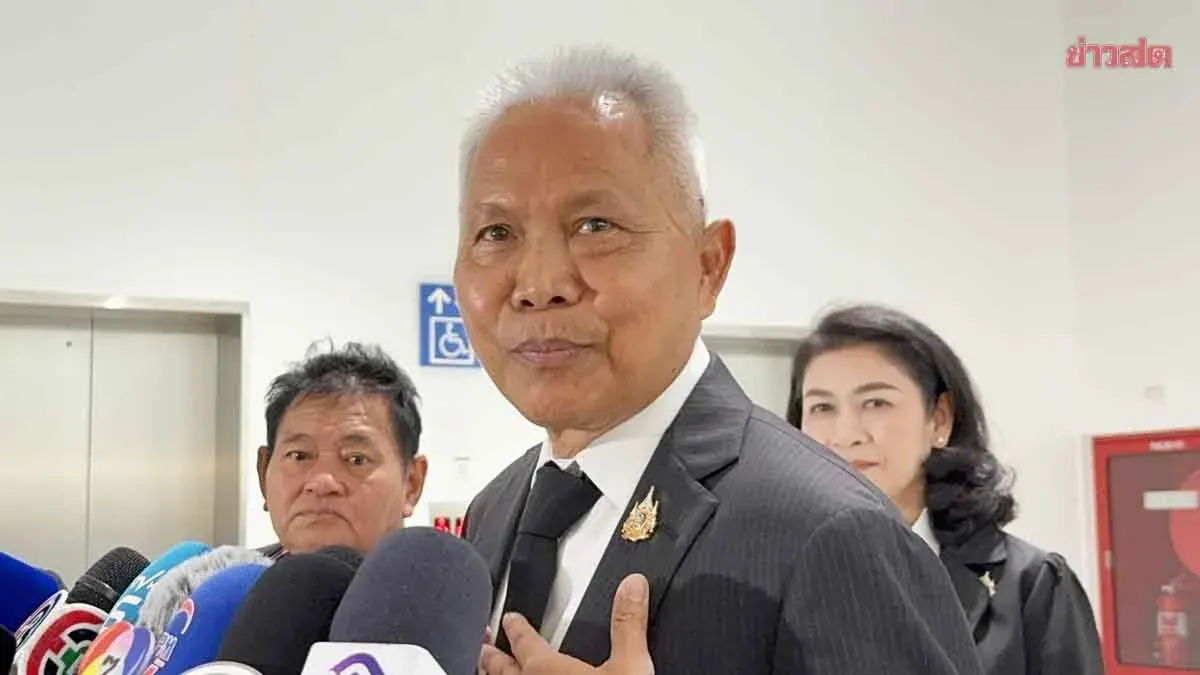
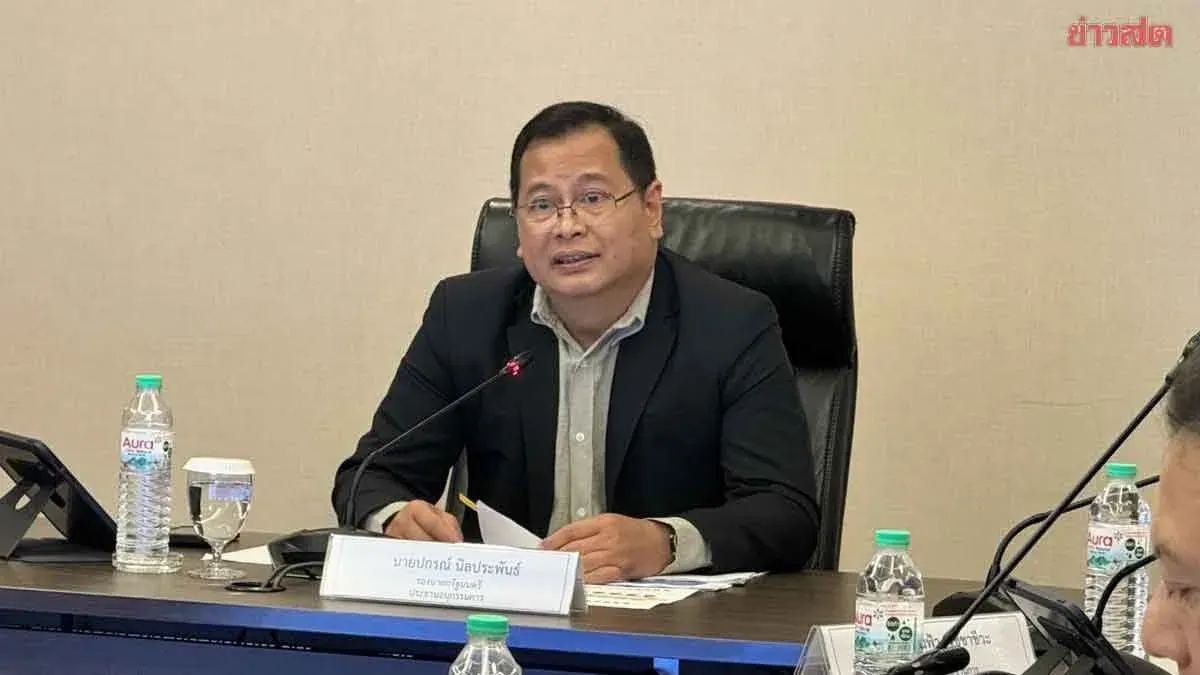
The Ministry of Agriculture and Cooperatives has announced it will not adopt UPOV if it disadvantages Thai farmers. Deputy Permanent Secretary Kraiwut Uttamawethin and the ministry's spokesperson outlined the government's stance on amending the Plant Varieties Protection Act of 1992 and the UPOV convention, which is linked to Thailand-Europe free trade agreement negotiations. The ministry provided the following key points: (1) Global intellectual property protections are standard in international trade to ensure fairness and prevent exploitation, though UPOV was not initiated by the agriculture ministry; the process is still lengthy and the ministry confirms it will absolutely not allow Thai farmers to lose benefits. (2) The ministry must urgently modernize the Plant Varieties Protection Act to address the problem of counterfeit seeds that copy varieties without investment in research and development, putting farmers at risk. Stronger protections for Thai plant breeders—both government and private sector—will reduce dependence on expensive foreign varieties. (3) Farmers will retain existing rights to plant, harvest, and distribute seeds; the law changes are not meant to penalize farmers but to protect them from foreign exploitation and safeguard Thai interests. Traditional, indigenous, and old commercial varieties that are not new inventions will not receive private protection, and farmers can continue planting, selecting, harvesting, and distributing as normal. (4) Strengthening domestic plant protection laws will allow Thailand to prevent Thai varieties from being copied and sold back to the global market by foreign competitors. The ministry will only consider joining UPOV if the calculation shows clear benefit and maximum advantage to the country; if not, it will firmly refuse to participate. The Ministry of Agriculture and Cooperatives affirms that Thai farmers' food security and economic interests remain its highest priority.