Politician Warns of Foreign Lobby Push for Plant Breeding Treaty
A Thai politician warns that ratifying the UPOV 1991 plant breeding treaty would hand foreign corporations control over seeds, forcing farmers to buy costly seeds annually and threatening Thailand's agricultural independence and exports.
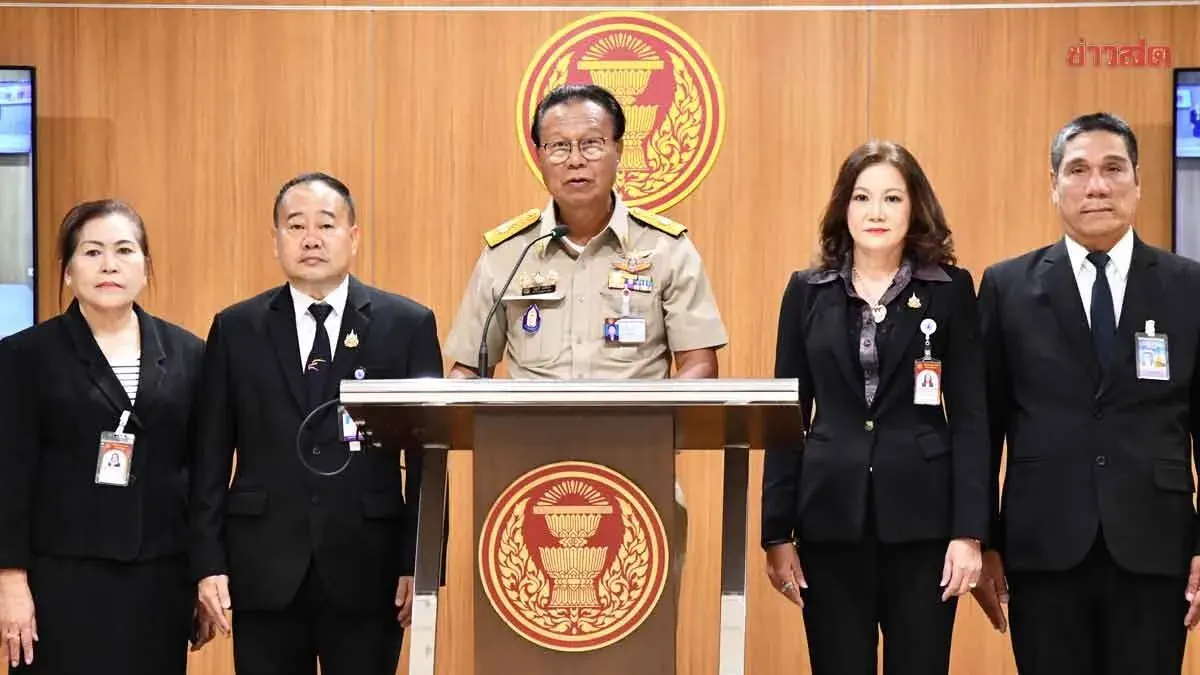
On September 24, Bunyarit Yumjinda, leader of the Ruam Jai Thai Party, told parliament that farmers across Thailand are deeply concerned about a deal involving foreign interests to push through UPOV 1991. He alleges that foreign investors have spent enormous sums hiring prominent U.S. lobbying firms to pressure Thai politicians into fast-tracking the treaty through parliament. If ratified, UPOV 1991 would grant monopoly rights to plant breeders—both state and private—to control the production, reproduction, and sale of registered plant varieties. This would prevent farmers from saving seeds for replanting and force them to buy seeds from foreign corporations, increasing seed costs by 2 to 6 times. Bunyarit cited examples of countries that signed UPOV 1991 and faced problems, notably Vietnam, which now depends dangerously on foreign seeds for rice, corn, and vegetables. He called on the Agriculture and Cooperatives Ministry to postpone the treaty and educate farmers about its benefits and drawbacks before proceeding. He warned that ratifying UPOV 1991 without protecting Thai seed varieties could threaten agricultural independence and harm exports of key fruits such as watermelons, durians, longans, and mangosteens. "UPOV 1991 is about to be brought before parliament, so farmers must be asked first whether they support it and understand its necessity," Bunyarit said. "If we move forward without protecting Thai seeds, we will lose agricultural sovereignty. I will not allow this treaty to pass unless Thai seed varieties are properly safeguarded."