Southern Border Unrest Linked to Three Key Factors
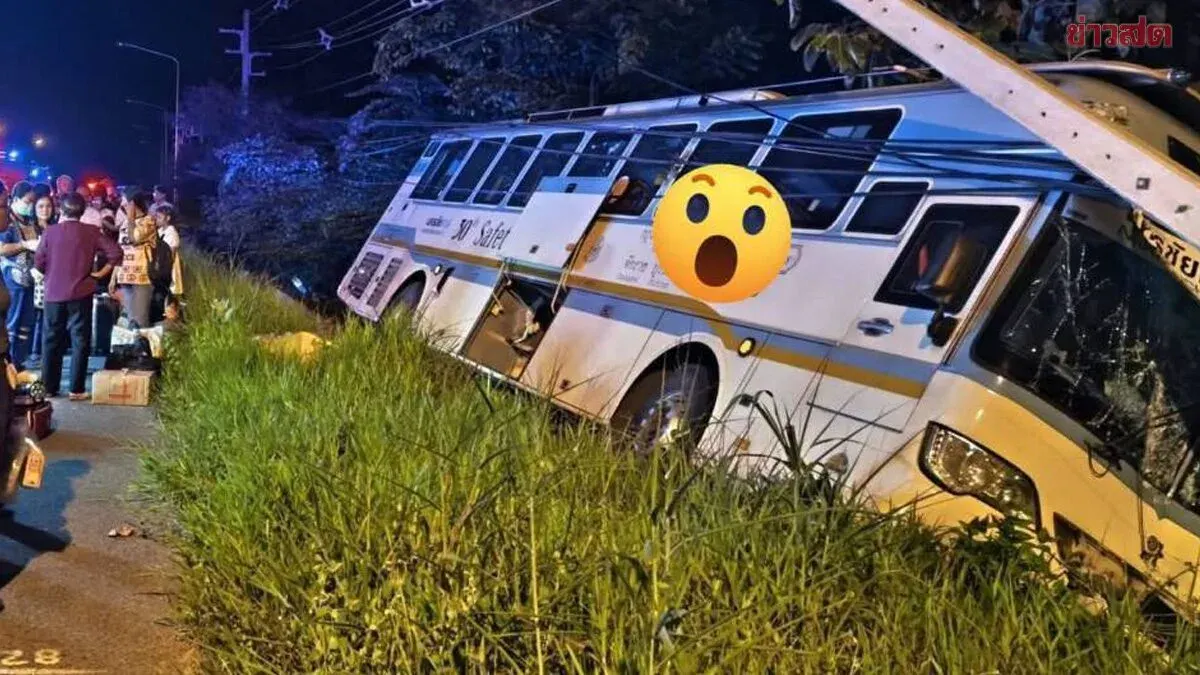
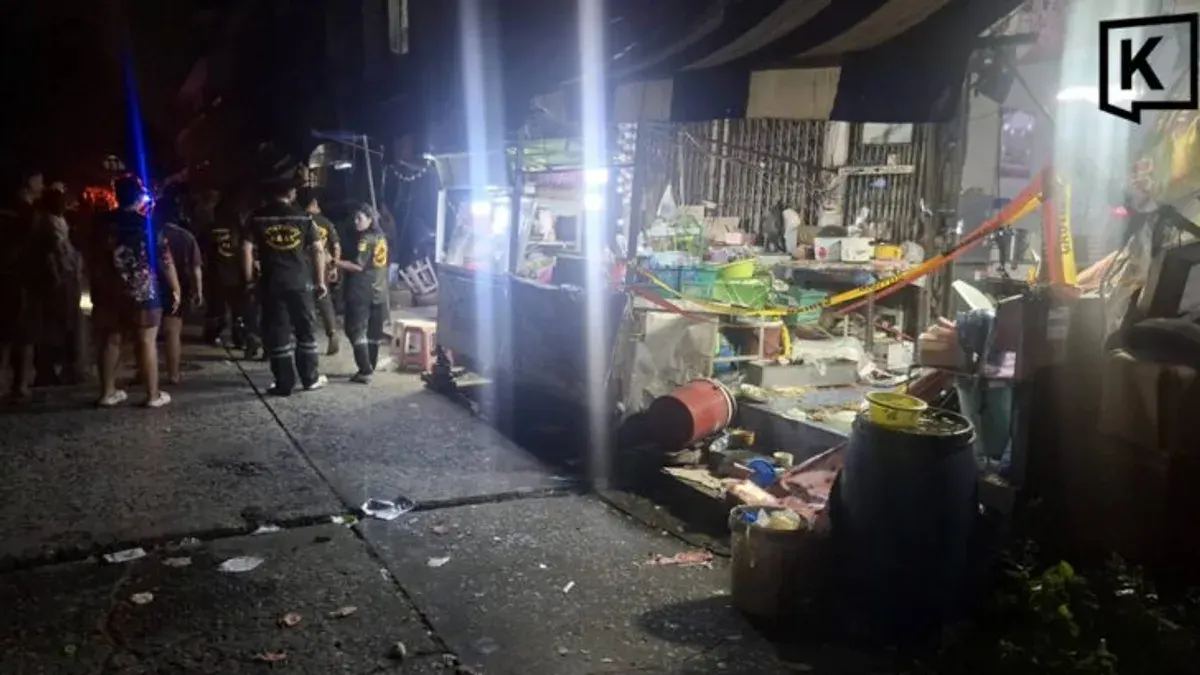
Intelligence officials link recent southern border violence to three factors: leverage-building ahead of peace talks, exploitation of military command transitions, and rainy season cover for attacks. The incidents, concentrated in Yala prov
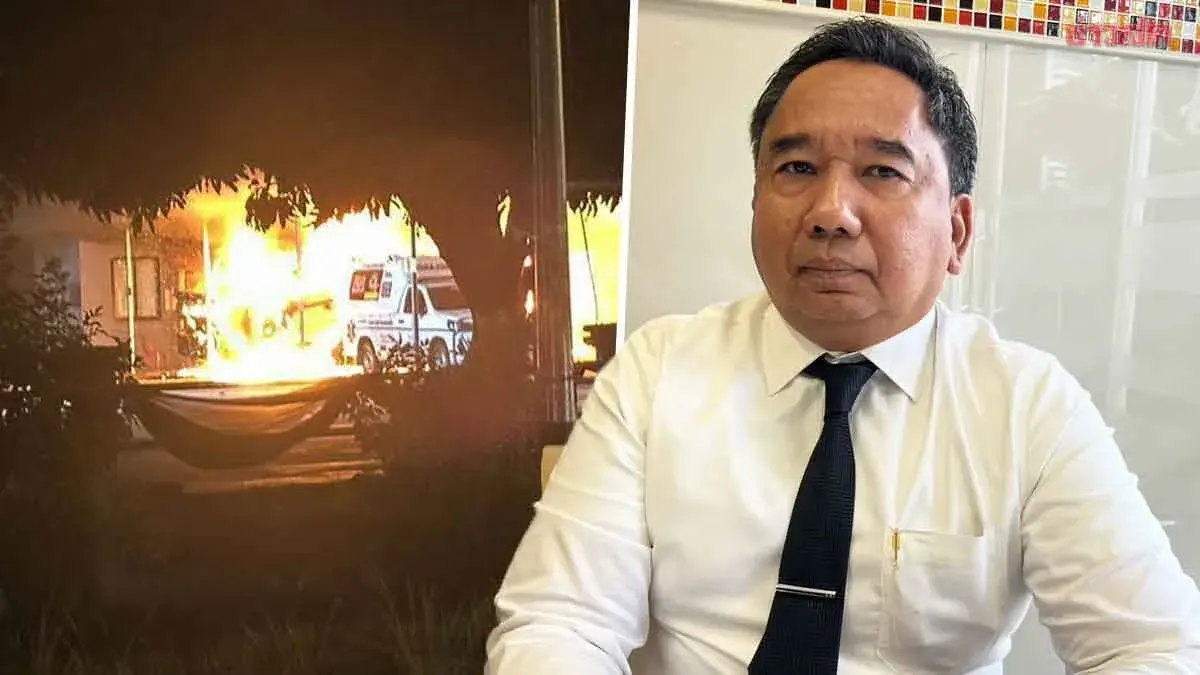
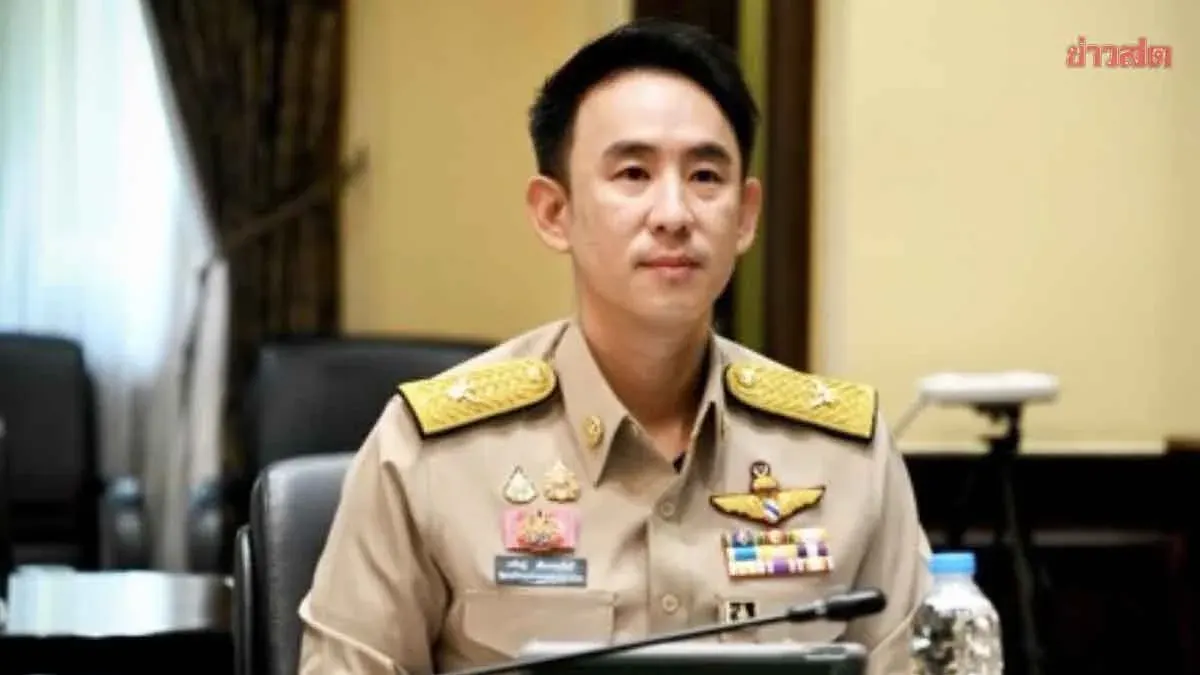
At 9 a.m. on August 24, 2025, at Government House, Thanat Suwannanan, director of the National Intelligence Agency and head of the Southern Border Peace Dialogue, assessed the causes of incidents across multiple flashpoints in the southern border provinces during the past weekend. He identified three main factors: First, the peace talks are set to resume, expected in late October, suggesting the current violence may be an attempt to build leverage for negotiations; rushing to the table would disadvantage Thailand and force hasty acceptance of unfavorable terms. Second, the period coincides with military command transitions, which perpetrators may view as a window to probe the strengths and weaknesses of security forces. The incidents in Yala province are largely disruptive in nature with multiple dimensions, including symbolic attacks targeting local administrative organizations through arson of government facilities and vehicles. Third, the rainy season provides cover, as damaged equipment can be blamed on weather rather than military failures.
"There is always a question of why the state doesn't know there are so many perpetrators," Thanat said. "I want to explain that sometimes they don't need to coordinate in advance; when an incident happens, it becomes known immediately. That doesn't mean they plan every detail together at a specific time."
When asked if the incidents matched the military's claim that they stem from lost criminal profits due to government crackdowns, Thanat said it is partly true. In Yala, most incidents are disruptive rather than criminal in nature, with no drug-related arrests reported there. However, Narathiwat and Pattani have seen major narcotics seizures, including methamphetamine busts. Officials must distinguish between groups and their connections and locations; categorizing these would reveal patterns, but intelligence cannot yet pinpoint specific groups as field officers are still gathering evidence.
When pressed on whether authorities know the perpetrators' identities, the intelligence chief confirmed they do but cannot disclose details due to security concerns. In criminal investigations, authorities can identify gunmen by their operational patterns and signatures, which become known. When asked if intelligence units in the area lack awareness, Thanat said this falls under the responsibility of field officers and the Fourth Army Region, the primary source of information.
Regarding future countermeasures if incidents increase, Thanat noted two considerations: whether the military must reposition forces and adopt new strategies, and whether these matters should be taken to the negotiating table. Options include establishing safe zones and discussing operational approaches with military commanders in the field.
On Malaysian cooperation, Thanat said Malaysia already facilitates dialogue but must strengthen border control and monitoring efforts as well.