Southern Border Unrest Threatens Tourism Economy
Editorial warns that escalating violence in Satun and Songkhla is threatening the southern tourism industry just as the peak season begins. Bombings in tourist areas risk driving away visitors from Malaysia and Singapore, hurting not only hotels and tour operators but also small vendors, transport workers, and cross-border trade. The article urges the government to pursue perpetrators, enhance security without fostering fear, communicate transparently, and provide targeted financial aid, while using the upcoming Malaysian Prime Minister visit to advance peace talks and a new comprehensive development policy for the border provinces.
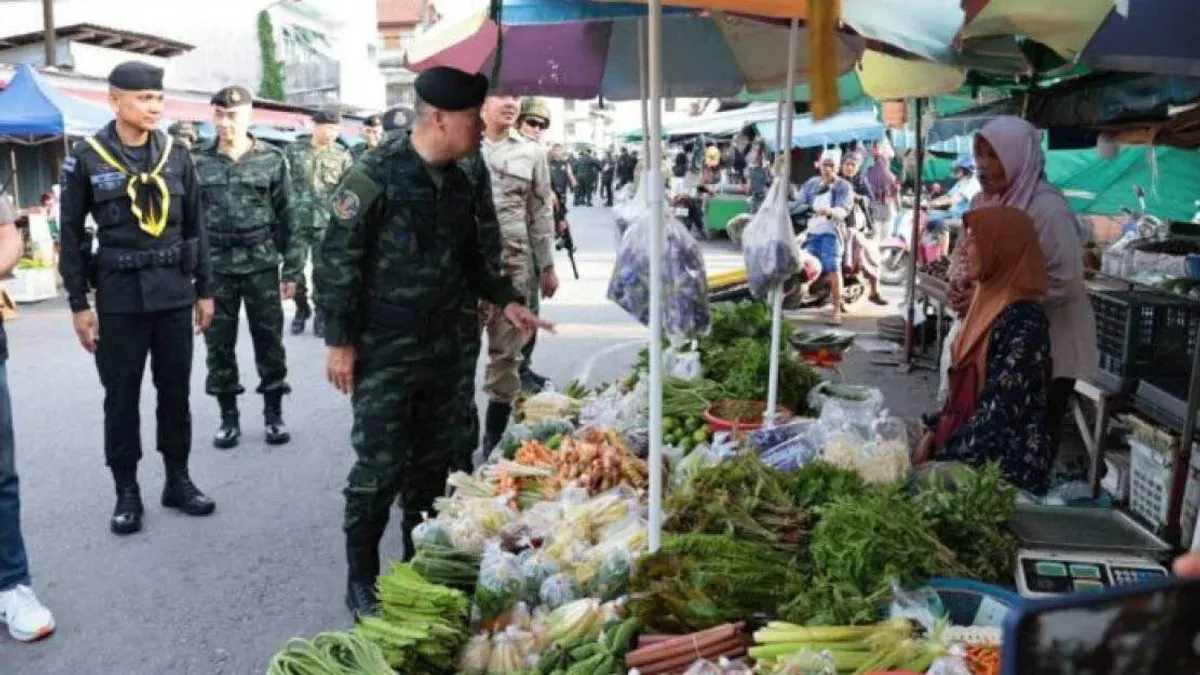
Unrest in the southern border provinces has spread to Satun and Songkhla, posing not just a security problem but a threat to the economy and tourism in the lower south. Especially as the high tourism season begins, when operators are counting on revenue to recover from ongoing challenges. Bombings in Thung Wa and Khuan Kalong districts of Satun have raised concerns among tourists, as Satun is a major marine tourism hub including Koh Lipe and Tarutao National Park, while Hat Yai in Songkhla serves as a gateway for visitors from Malaysia and Singapore. If a perception of insecurity takes hold, tourists are ready to cancel trips or switch destinations immediately. The impact extends beyond hotels, restaurants, and tour companies to small shops, drivers, local boat operators, workers, and residents who rely on tourism income, as well as cross-border trade and transport. When people are afraid to travel, spending declines, the local economy worsens, and daily-wage earners bear the brunt. The government must understand that maintaining safety is not solely the duty of the military and police but a crucial condition for preserving people's livelihoods. Urgent steps include solving cases, apprehending perpetrators and masterminds, and boosting surveillance at tourist sites, piers, schools, transport routes, and economic zones — but carefully, without creating a climate of fear that disrupts daily life. At the same time, the government must communicate facts swiftly, counter rumours, restore confidence among tourists and operators, expedite assistance to the injured, families, and those affected, and support businesses through compensation, low-interest loans, and targeted debt relief so the burden is not borne by one side alone. The visit of the Malaysian Prime Minister on December 8-9 is seen by the local business community as a crucial opportunity for the government to push for genuine peace talks and violence reduction to restore confidence before the New Year and Chinese New Year festivals in 2027. Equally important is the revision of the policy for administration and development of the southern border provinces to replace the version expiring in 2027, which must address problems comprehensively. The government must not focus only on security measures but also on economic development, job creation, income generation, inequality reduction, and providing genuine opportunities for public participation.