Suchart Says Land Bridge Project Can Be Opposed, but Must Not Hinder National Development; Dr. Thon Clarifies Impact on 53.953 Billion Ground Organisms
Thailand's government plans to present the Land Bridge megaproject to cabinet in June-July despite an open letter from 112 academics highlighting serious flaws in environmental impact assessments, particularly a massive discrepancy in estim

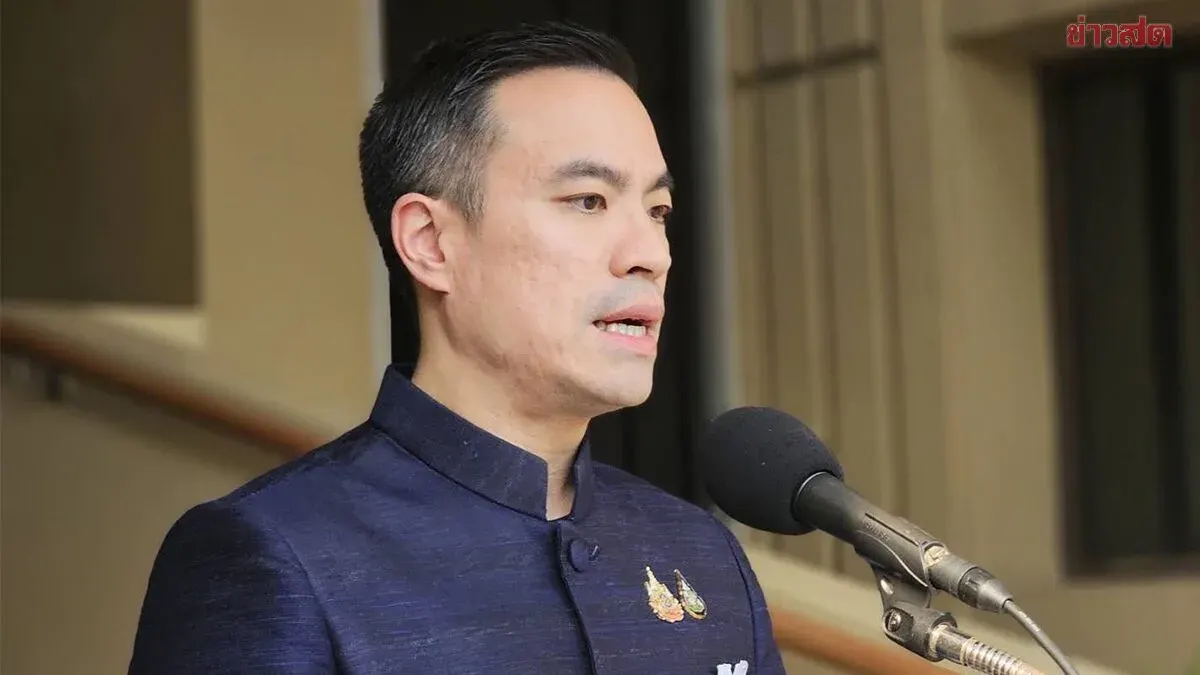
On April 27, Natural Resources and Environment Minister Suchart Choomklin commented on the government's plan to present the Land Bridge project to the Cabinet for consideration in June-July. He emphasized that the project must undergo environmental impact assessments and public consultations. While environmental concerns warrant opposition if adverse effects occur, such opposition must be reasoned and not obstruct national development. Suchart noted that the Land Bridge is a major project involving multiple agencies beyond his ministry alone, spanning Andaman National Park and mangrove forests under his department's supervision. When informed of 112 academics and organizations' open letter criticizing serious flaws in the EHIA, Suchart acknowledged this as an important matter and pledged to consult with relevant departments. Dr. Thon Thamrongnawasuwat, Deputy Dean of Kasetsart University's Faculty of Fisheries, highlighted a critical discrepancy: the EHIA uses 47.57 ground organisms per square meter across 32 million square meters of affected area, calculating 1.524 billion organisms. However, field surveys by marine science experts found 1,685 organisms per square meter, yielding a total loss of 53.953 billion organisms—a difference of 52.429 billion. Dr. Thon recommended new surveys by multiple agencies to clarify these figures and ensure public confidence, arguing that Thailand's government should protect national interests, maritime integrity, and fairly compensate affected communities before allowing foreign private investment.