Thai Official Urges Learning, Not Hatred, on 1976 Oct 6
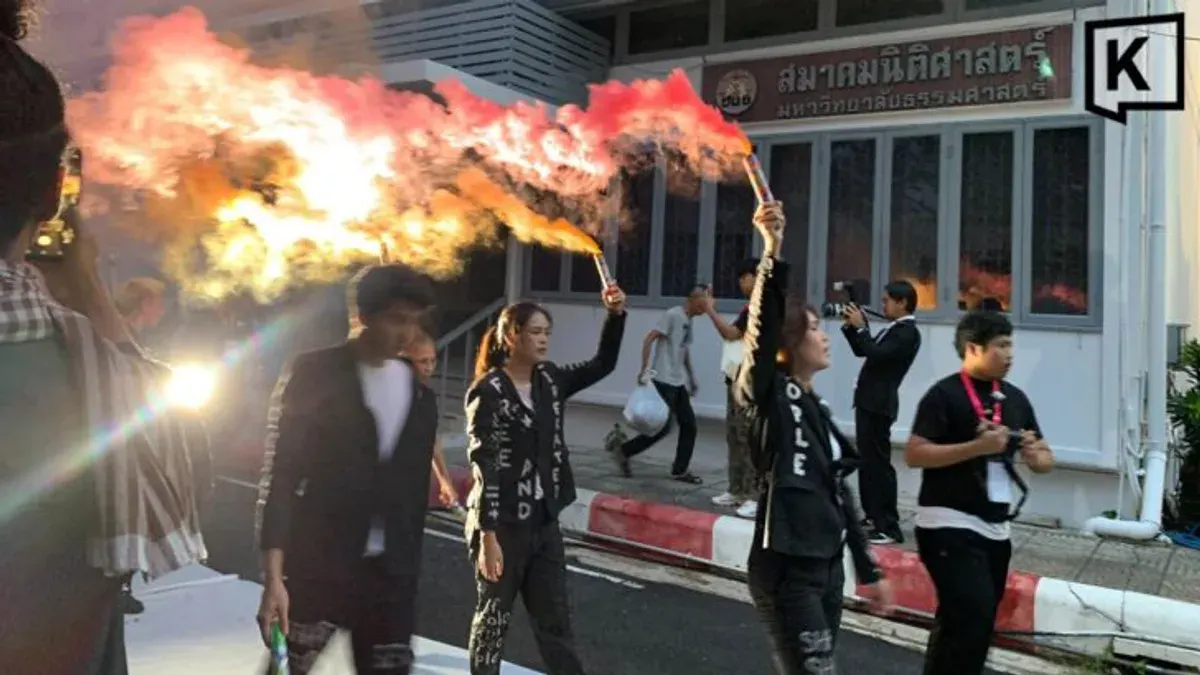
Phumitham Wechayachai of the Pheu Thai Party marked the 50th anniversary of the October 6, 1976 Thammasat massacre by urging that remembrance focus on truth and lessons rather than anger and hatred. He warned that allowing hostility to turn political opponents into enemies leads to violence and interrupts democracy, calling on society to learn from the past and pass on understanding to future generations.
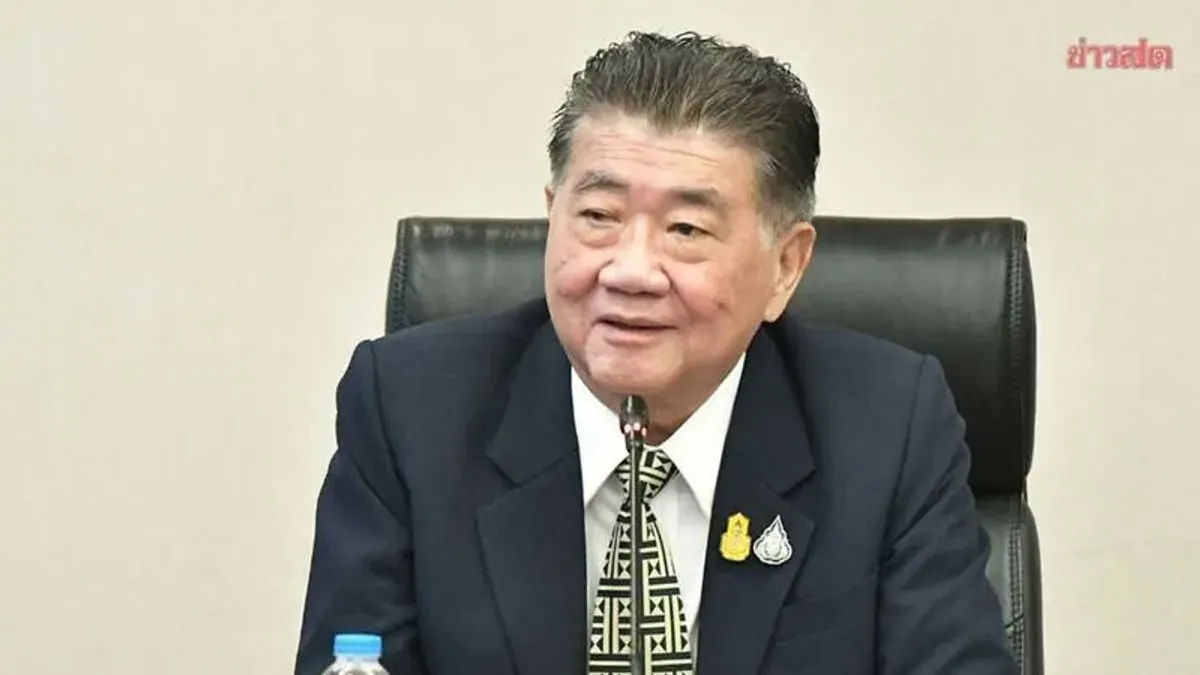
Phumitham Wechayachai, a senior member of the Pheu Thai Party, wrote on his Facebook page on October 6, 2026, that commemorating the 50th anniversary of the October 6, 1976 events should be about sharing truth and lessons, not perpetuating anger and hatred. He recalled that in the early hours of October 6, 1976, security forces used violence against student protesters at Thammasat University, resulting in deaths, injuries, and mass arrests, and that later that same day a military coup ended the parliamentary democracy that had followed the October 14, 1976 uprising. Fifty years on, opinions may differ, but Thai society cannot deny that when hatred is cultivated and those with differing views are seen as enemies, violence can follow, and when political conflicts are settled by force, democracy is interrupted and societal learning is severed. He argued that remembering October 6 should not be about passing on grudges, declaring winners and losers, or exploiting past losses for present political gain. Instead, we should face the facts honestly, honor the dead with dignity, and recognize the aspirations of the young people who sought democracy and justice. The key lesson is that society must not allow differences to turn into hatred; those who disagree are not enemies and should not be subjected to violence. Although democracy may be flawed, with conflicts and mistakes, it can grow only when citizens and society continually learn from their own errors. If each crisis is met with force or a coup, the nation must start over again, losing not just a government or constitution but time, opportunity, and democratic development for the entire country. The five decades since October 6, 1976 should move Thai society forward from memory to lessons drawn from conflict, to acceptance of difference born from past wounds, to rules that allow Thais to live together. The duty of his generation is not to transmit old hatred and resentment but to pass on truth and lessons. If we do so, the commemoration will not be merely a look back half a century ago but a collective pledge that Thai society will not let differences become justification for violence and will not allow democracy to be reset again and again by extra‑constitutional force, thereby giving meaning to the sacrifices of those who died.