Thai Politician Says Entertainment Democracy Weakens Ideological Debate
Political commentator Piyabutr Saengkanokkul’s concept of “entertainment democracy” describes drama‑filled, rhetoric‑heavy politics that boosts public interest but narrows ideological debate. The term is now being used by Thailand’s blue‑party leaders, while critics argue it masks deeper frustrations over issues like senate election allegations, flood response, and local fraud. The opposition is urged to reassess its stance as the political climate remains polarized.
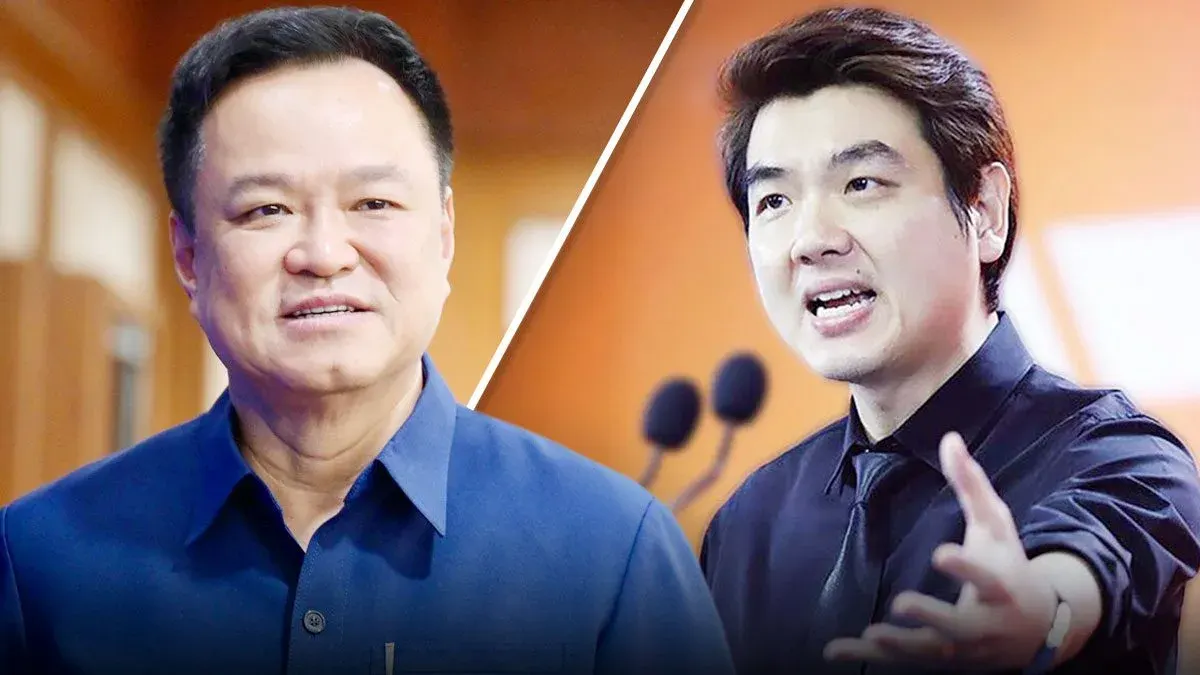
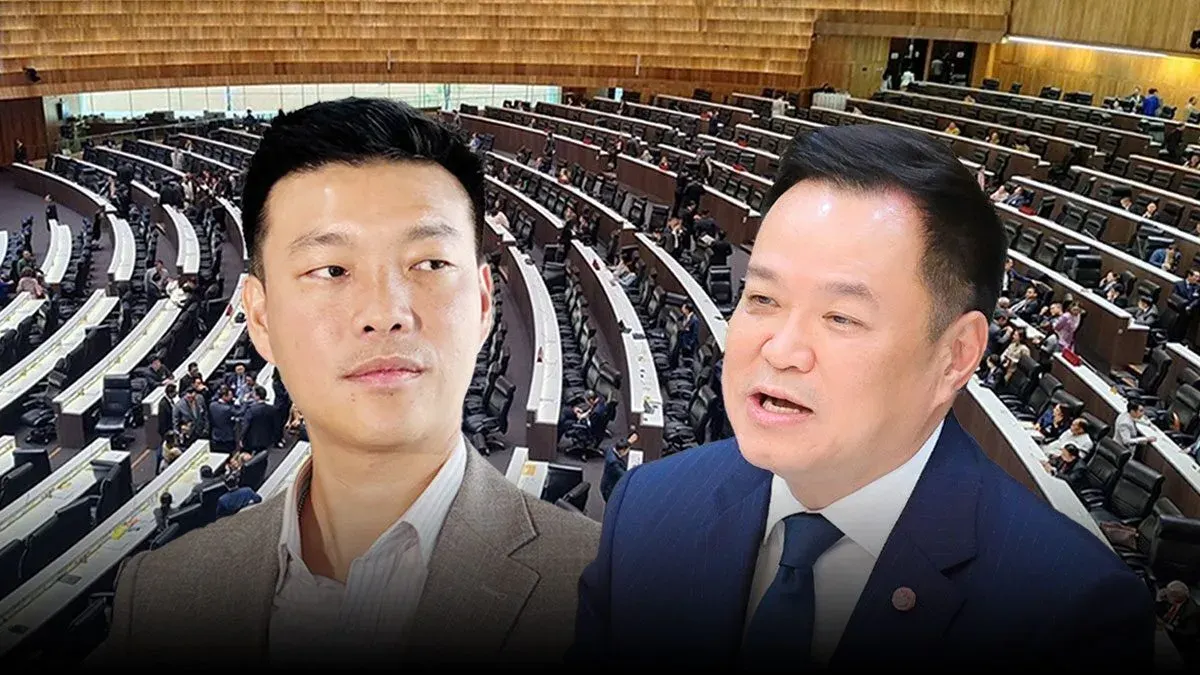
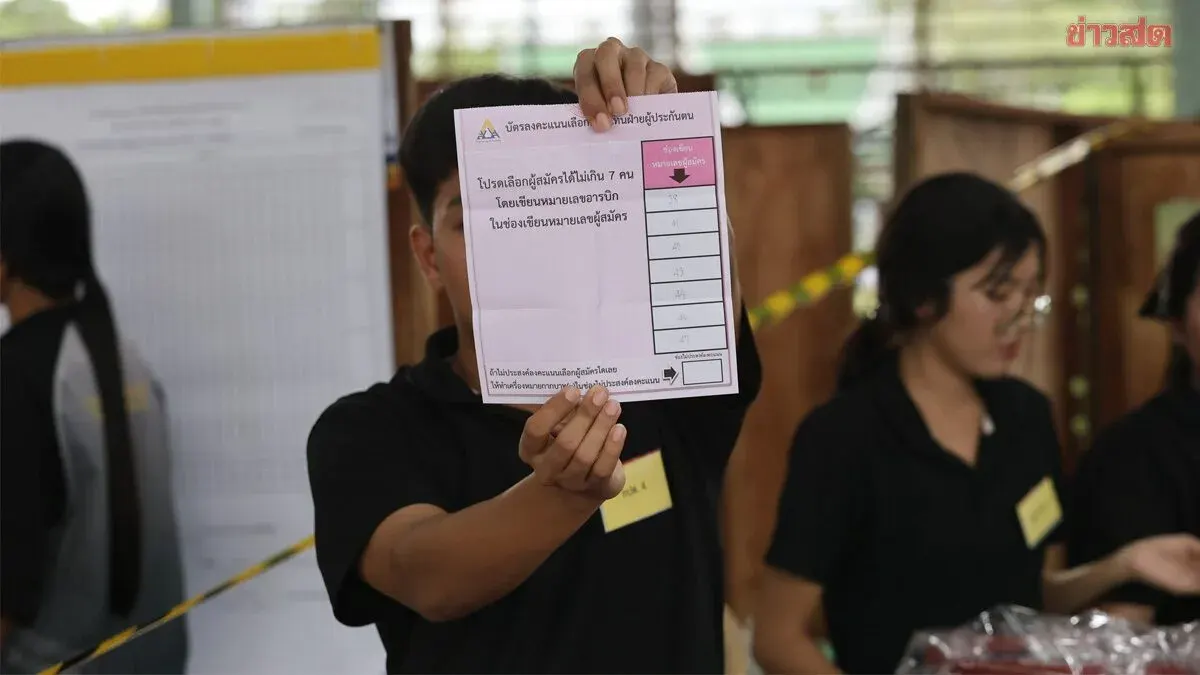
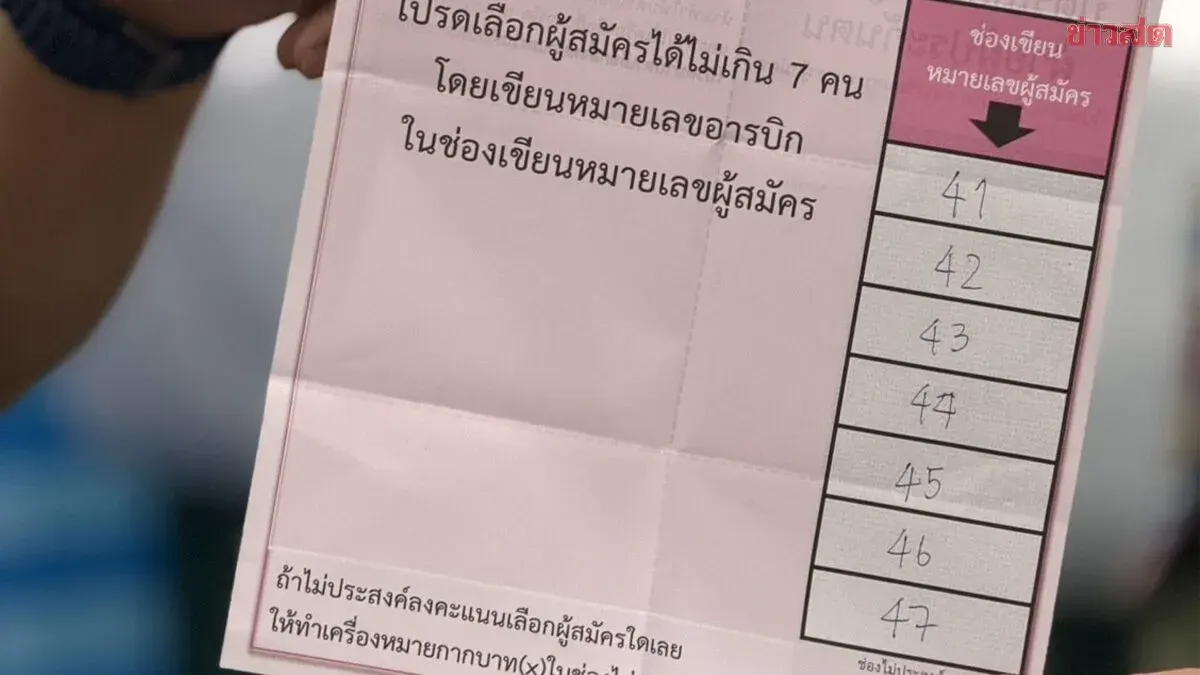
Piyabutr Saengkanokkul introduced “entertainment democracy” to explain how political discourse now relies on dramatic clashes, sharp rhetoric, and live‑streamed meetings that let the public watch MPs “slash” each other for satisfaction. While this may raise political interest, it also diminishes the broader ideological conversation, a point open to debate. The blue‑party camp—ministers, government whip chairs, legal advisors, and spokespersons—has embraced the term, and observers await whether Prime Minister Anutin will use it against opponents. Piyabutr acknowledges gaining more followers and possibly exploring other ideas he has previously promoted, such as two‑permit democracy or a blue‑regime model exceeding Bhumjaithai. The orange‑aligned People’s Party, seen as the main target, must listen and reconsider its position. Whether the spectacle is truly entertaining or merely a vent for public frustration is unclear; some see it as a signal of pent‑up anger over issues like alleged senator caucus cheating, flood mismanagement, and local election fraud where suspects escape prosecution due to delayed NACC action or extradition complications. Plans to prosecute over 6,000 people in a net‑casting operation, mostly exam takers, remain uncertain in scope and intent. Meanwhile, flooding from Hat Yai to Bangkok and the east continues to cause suffering while the government appears stuck in a lessons‑learned loop, buoyed by its perceived stability from holding both permit one and permit two. Small victories from political sparring or occasional debates serve as a limited consolation for some citizens. Ultimately, whether this phenomenon is entertainment or anguish requires careful consideration.