Thailand Demands Upstream Dam Operators Give Advance Notice Before Water Release
Thailand's deputy PM is pushing upstream dam operators to give advance notice before releasing water, addressing a key gap in managing the Mekong River's unpredictable flows affecting Northeast provinces.
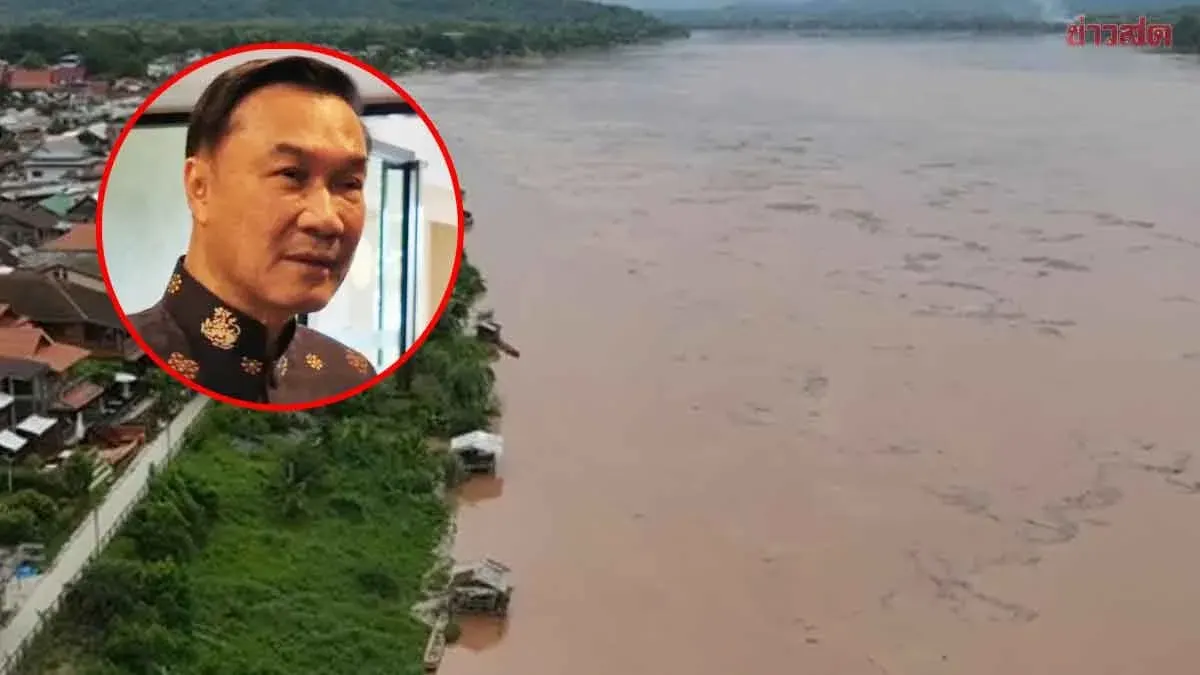
Deputy Prime Minister Songsakdi Thongsuree outlined a nine-point water management plan for Northeast Thailand's 20 provinces on August 10, 2025, at Government House. He said all provinces are preparing preventive measures and disaster response based on lessons from past flooding, including designated evacuation shelters and flood-prone area mapping. Thailand has 22 river basins, and the deputy PM stressed the need to address both flooding (excess water) and drought (insufficient supply) simultaneously through water retention projects.
One major obstacle is that dredging natural water sources generates soil classified as state property, discouraging local authorities from undertaking projects. The Ministry of Interior previously allowed contractors to use excavated soil, but after soil became commercially valuable, new regulations are being drafted to offset excavation costs and accelerate projects.
Regarding the high Mekong River water levels, Songsakdi acknowledged that upstream dam operators currently release water first and notify Thailand afterward, rather than providing advance notice for preparedness. He called on the Foreign Ministry to negotiate with riparian nations for prior notification before water releases. When asked about proposals to create a separate water ministry, he said such ideas exist but sees no urgent need to separate water affairs from existing structures at this time.