Thailand Discovers New Long-Necked Dinosaur Species
Researchers at Mahasarakham University have identified a new long-necked dinosaur species, Uragasaurus kalasinensis, at a fossil site in Kalasin Province, dating back 150 million years to the Late Jurassic period. The discovery marks Thaila
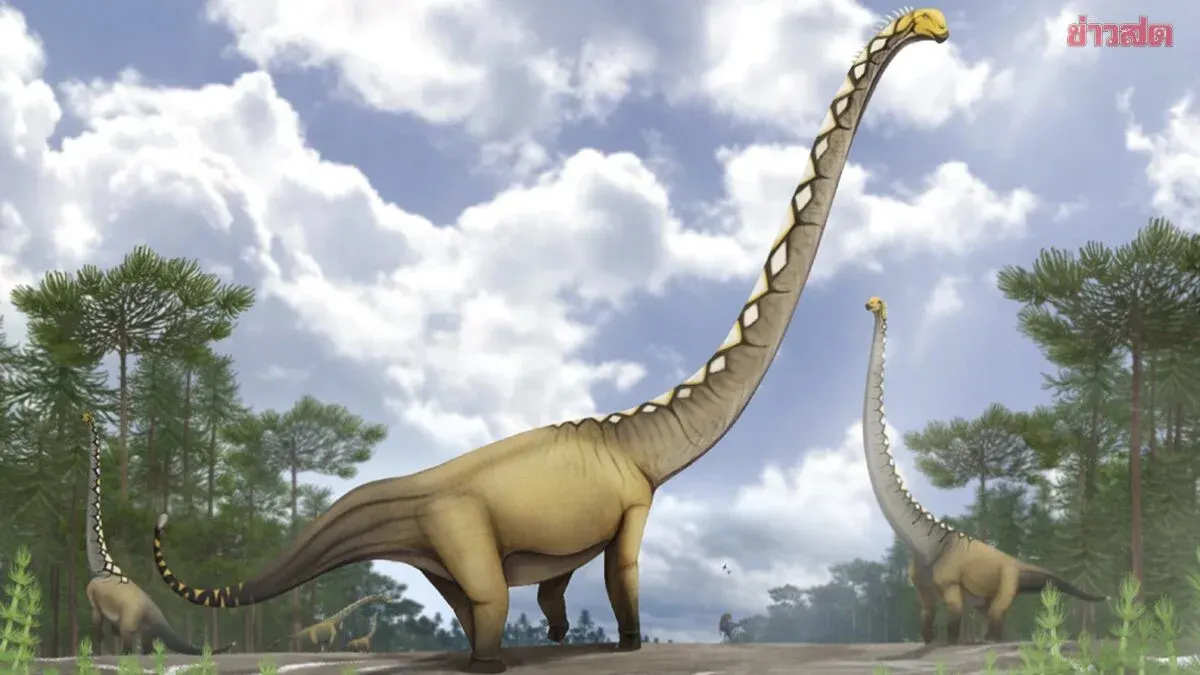
A groundbreaking discovery announced on July 9, 2025, reveals a new dinosaur species named Uragasaurus kalasinensis (Uragasaurus kalasinensis) found at the Phu Noi fossil site in Kalasin Province. Researchers from Mahasarakham University identified the specimen in the Phu Kradung rock formation, dating back approximately 150 million years to the Late Jurassic period. This represents Thailand's 15th dinosaur species and the first formally named mamenchisaurid sauropod in Thailand and Southeast Asia, with findings published in Scientific Reports on July 8.
The scientific name combines "Uraga" (meaning "snake" in Sanskrit) with "saurus" (Greek for "lizard"), reflecting the dinosaur's exceptionally long, serpent-like neck. The species name references Kalasin Province, where the fossils were discovered. Research using CT scanning of the vertebral column revealed unique internal structures, including honeycomb-like air chambers that distinguish this species from all other known dinosaurs.
This sauropod possessed a remarkably elongated neck comprising nearly half its body length, making it among the world's most prominent long-necked dinosaurs. Previously, such specimens were found primarily in China, but this discovery demonstrates that these creatures inhabited the region that is modern-day Thailand 150 million years ago.
The Phu Noi fossil site in Kalasin Province ranks among Thailand and Southeast Asia's richest vertebrate fossil deposits, with over 6,000 specimens discovered from the Phu Kradung rock formation. These deposits accumulated in ancient fluvial environments with floodplains and oxbow lakes. Beyond this new sauropod, the site has yielded fossils of carnivorous dinosaurs, turtles, crocodiles, freshwater sharks, fish, amphibians, and flying reptiles, providing a crucial window into Thailand's Late Jurassic ecosystem and continuing to reveal the secrets of the ancient world.