Thailand Discovers New Long-Necked Dinosaur Species
Thai researchers have identified a new long-necked dinosaur species from Kalasin province, expanding understanding of where these giant sauropods roamed during the Late Jurassic period and bringing Thailand's formally recognized dinosaur sp
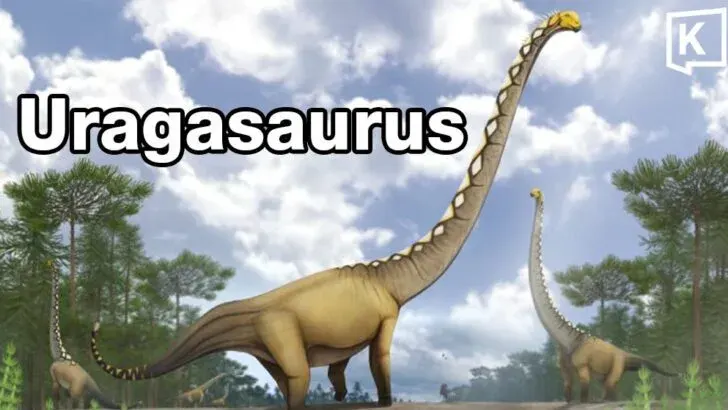
Thai palaeontologists have named a new long-necked dinosaur species from Kalasin province, adding a 15th formally recognised dinosaur species to Thailand's fossil record and strengthening the country's place on the map of Jurassic dinosaur discoveries.
The new species, Uragasaurus kalasinensis, was announced on 8 July after being published in the journal Scientific Reports by a research team led by Apirut Nilpanapan, Sita Manitkoon, Varavudh Suteethorn and Komsorn Lauprasert.
The fossil was discovered at the Phu Noi fossil site in Din Chi subdistrict, Kham Muang district, Kalasin province, within the Lower Phu Kradung Formation, which the study places in the Upper Jurassic period.
Researchers identified Uragasaurus as a member of Mamenchisauridae, a family of sauropod dinosaurs known for their exceptionally long necks. Sauropods were large, four-legged, herbivorous dinosaurs, and mamenchisaurids include some of the longest-necked animals ever to walk on land.
Uragasaurus is estimated to have measured about 18 to 20 metres in length and was herbivorous. The species was identified from an isolated anterior dorsal vertebra whose anatomical features differed from those of previously known mamenchisaurids, allowing researchers to classify it as a new species.
The discovery is scientifically significant because mamenchisaurid fossils have previously been found mainly in China. The identification of Uragasaurus kalasinensis in northeastern Thailand expands scientists' understanding of where these giant long-necked dinosaurs lived during the Late Jurassic.
The genus name Uragasaurus combines the Sanskrit word uraga, meaning "snake" or "serpent lizard", with the Greek word sauros, meaning "lizard". The species name, kalasinensis, honours Kalasin province, where the fossil was discovered.
The study also identifies Uragasaurus kalasinensis as only the second dinosaur species formally named from the Phu Kradung Formation, underscoring the scientific importance of the Phu Noi fossil site, where thousands of prehistoric fossil specimens have been recovered and many more remain awaiting study.
With the naming of Uragasaurus kalasinensis, Thailand now has 15 officially named dinosaur species, further reinforcing Kalasin's reputation as one of the country's most important palaeontological sites.