Thailand Eyes Massive Land Bridge Project Despite Environmental Concerns
Thailand's controversial one-trillion-baht Land Bridge project connecting the Gulf and Andaman coasts remains suspended despite PM backing, as environmental groups and officials cite poor economic viability and severe threats to marine ecos
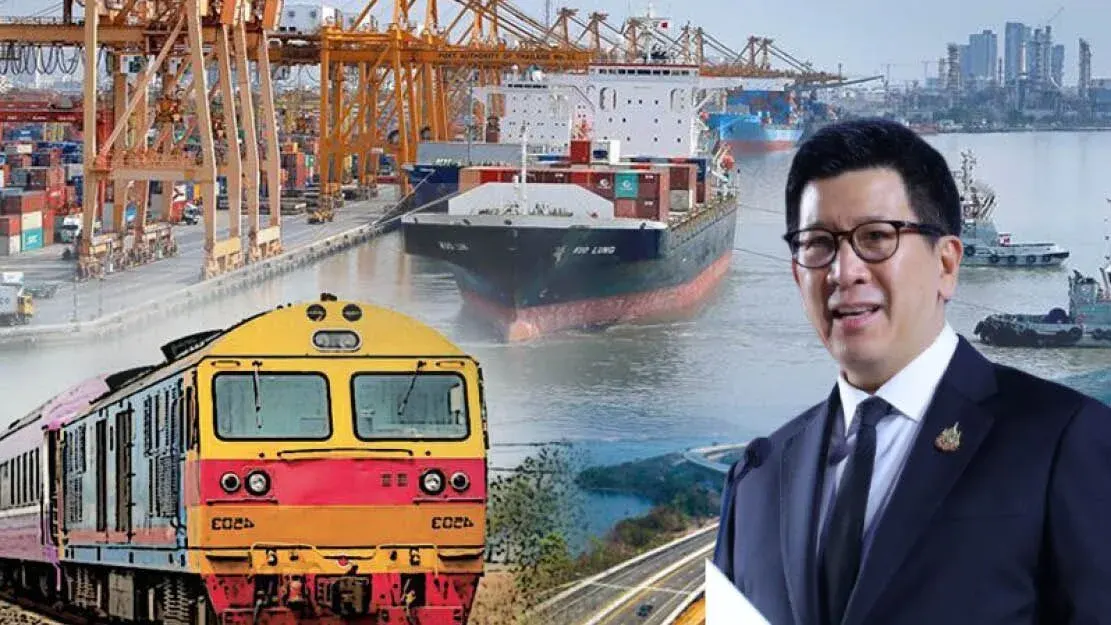
The Land Bridge project remains highly disputed—some view it as wasteful, others as economically unviable. This massive transport infrastructure would connect the Gulf Coast in Chumphon with Ranong's Andaman shore, involving an estimated one-trillion-baht investment in major ports, expressways, railways, and large-scale logistics systems, plus special economic zones and supporting industries. If realized, the project could stimulate the economy, create jobs, and boost income. However, careful cost-benefit analysis is essential to determine true economic worth. A project of this scale inevitably brings environmental damage, leaving local residents fearful of impacts on their livelihoods and nature-dependent occupations. Major ports and industries would inevitably generate substantial waste. Environmental conservation groups and southern civil society networks have mounted broad opposition campaigns. Recently, Prime Minister Anuthon Charanweerakul reaffirmed the project is not permanently abandoned but could be revived whenever deemed necessary and geopolitically suitable. However, Deputy PM and Finance Minister Ekniti Nitithamprasert, chairing the Land Bridge review, previously concluded the plan should be shelved due to poor returns, low feasibility, high budgetary risk, and serious threats to marine ecosystems, coastal livelihoods, food security, and forests. The committee ultimately determined the project has low commercial viability, carries significant environmental risk, and lacks social consensus. Although Anuthon says the plan remains open, no timeline or endpoint is clear. More pressing is an apparent lack of government mega-projects to drive transformative economic growth—Thailand has lacked major infrastructure initiatives for years, and current projects fall short of generating breakthrough economic stimulus.