Thailand Faces 12.5% U.S. Tariff on Food, Autos, Textiles
Thailand faces a 12.5% U.S. tariff on exports including food, autos, and textiles starting July 2025, affecting a top market that receives nearly a quarter of Thai exports.
The Federation of Thai Industries is closely monitoring the U.S. tariff measures following the American government's invocation of Section 301 of the 1974 Trade Act to impose additional import duties on 60 economies over ineffective enforcement of forced labor bans. Thailand will face a 12.5% tariff increase on most exported goods starting July 24, 2025, replacing the temporary 10% rate under Section 122. This change is critical for Thai industries since the United States is the country's top export market; during January to May 2025, Thai exports to the U.S. reached approximately $38 billion, up 40.31% year-on-year and representing 23.5% of total Thai exports. Vulnerable sectors include food and food products, auto parts, gems and jewelry, furniture, textiles, and apparel.
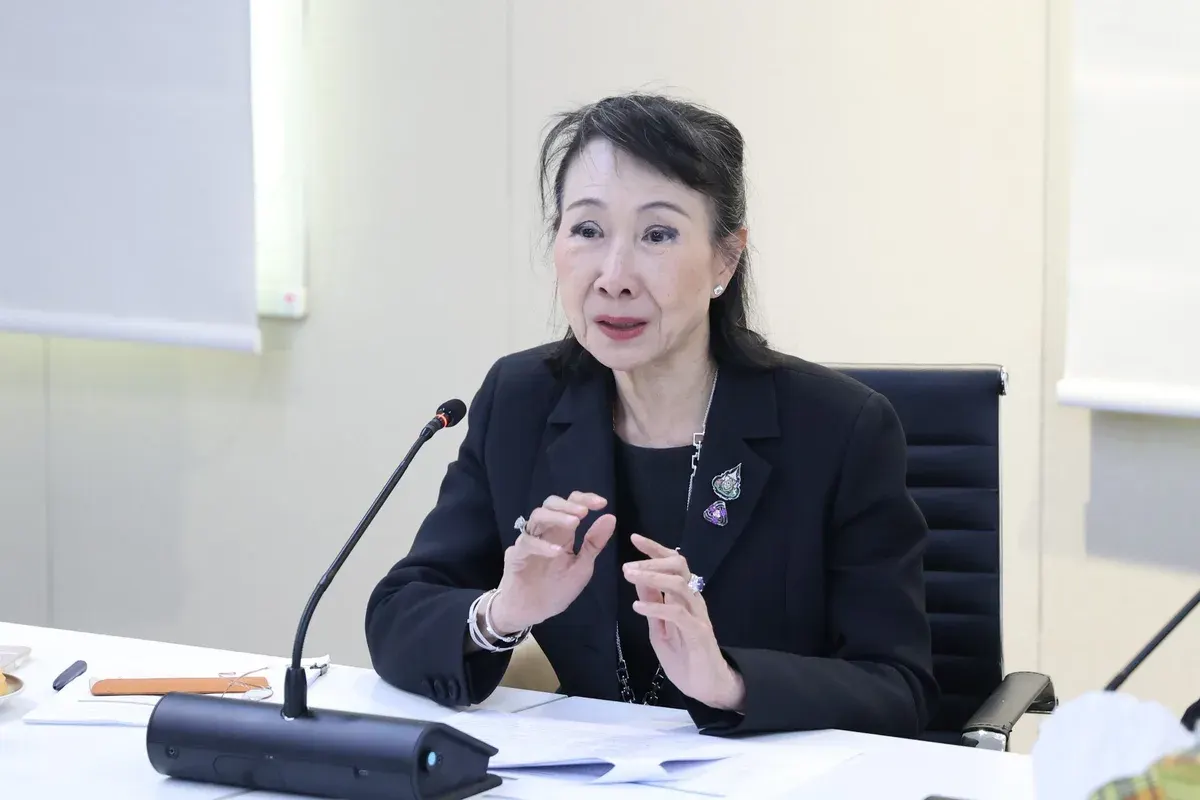
FTI President Pimjai Leeissaranukul stated that the Federation will urgently consult with the Ministry of Commerce, industrial groups, and relevant agencies to assess affected product categories, tariff burden costs, order trends, and supply chain impacts. Thai industries have consistently adhered to international labor and standards requirements, particularly export sectors subject to continuous partner audits. Thailand should leverage this strength by upgrading traceability systems and supply chain transparency to build confidence in bilateral trade negotiations.
Long-term strategy should not focus solely on Section 301 but establish comprehensive trade policy through four key measures: market diversification to reduce over-reliance on any single market; enhanced compliance with international standards in labor, human rights, environment, and product origin; increased product value and innovation to maintain competitiveness despite higher tariff costs; and supply chain restructuring to enable greater traceability. The FTI expressed confidence that ongoing reciprocal trade agreement negotiations (ART) led by Deputy Prime Minister and Commerce Minister Sopa Sutheermpun, along with coordinated government efforts, will achieve balanced and fair outcomes benefiting both nations. The Federation remains committed to working with all relevant agencies to preserve Thai product competitiveness and sustain business confidence.