Thailand Launches Tax Package to Attract EV Manufacturing Investment
Thailand is launching tax incentives to attract global electric vehicle manufacturers to build production facilities locally, with lower excise taxes available for companies using domestic components and higher rates for importers.
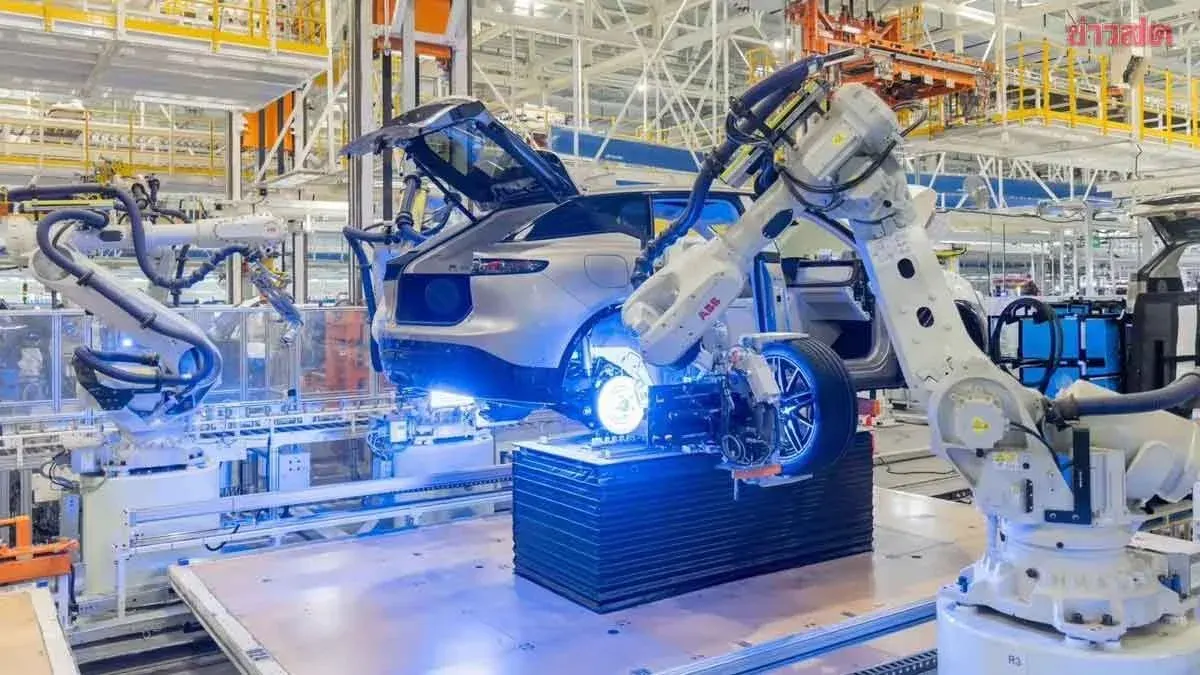
The Finance Ministry is expediting a tax incentive package designed to attract global manufacturers to establish electric vehicle production bases in Thailand, with emphasis on using locally-sourced components. Deputy Prime Minister and Finance Minister Ekniti Nitithanprayat revealed that the measure aims to create domestic supply chains and boost competitiveness in future industries like electric vehicles, with clarity expected by September 2026.
Under the initial framework, manufacturers that decide to establish production facilities will receive lower excise tax rates, provided they use raw materials and components produced domestically. Conversely, companies that do not invest in manufacturing plants in Thailand will face higher tax rates to protect domestic investors and encourage real capital inflows. For example, modern automotive manufacturers setting up factories in Thailand could qualify for lower taxes, while those importing vehicles without local production would pay premium rates.
The government has already discussed the plan with automotive manufacturers and various industry groups and is prepared to support the initiative. The Finance Ministry has also tasked the Customs Department and Revenue Department with accelerating measures to protect Thai SMEs from cheap imported goods that could undercut domestic producers. Although customs authorities have begun collecting import duties and value-added tax on imports from the first baht, the Finance Ministry is currently reviewing whether current tax rates are appropriate.