Thailand Must Carefully Balance Gun Control Debate
Thailand grapples with stricter gun control following a school shooting, but officials must weigh the benefits of a civilian firearms ban against the likelihood that illegal weapons would proliferate.
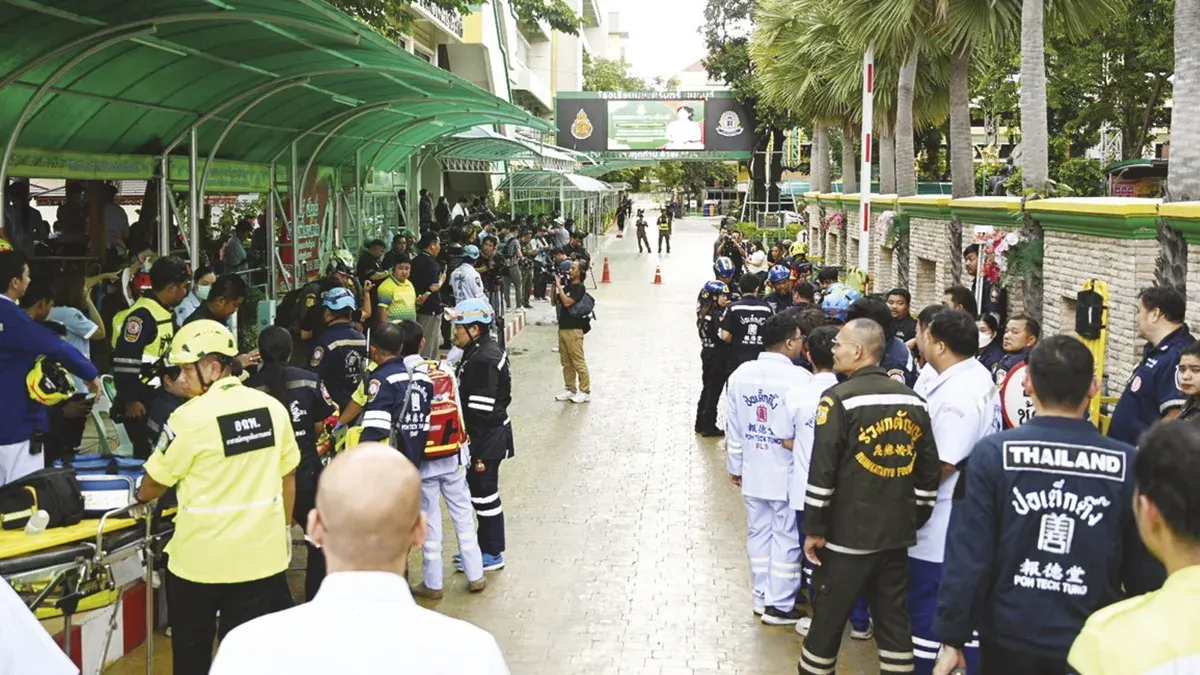
Gun ownership in Thai society has become a major point of contention, partly triggered by the tragedy at Thepsirin School in Nonthaburi, where the perpetrator used his grandfather's firearm. It is undeniable that had the attacker not accessed a weapon, the violence might not have occurred or would have been less severe. However, imposing a blanket ban on civilian gun ownership requires careful and comprehensive consideration, as guns serve legitimate purposes for self-defense and property protection alongside their dangers. An unrestricted approach—allowing firearms everywhere and settling disputes as in cowboy films—is clearly not viable, but those needing protection deserve viable options. Historically, countries like the United States permit civilian gun ownership based on colonial-era principles of armed self-defense, with the right to bear arms enshrined in the constitution partly as a safeguard against tyranny. By contrast, 18 countries including North Korea, Mali, Somalia, and Cambodia completely ban civilian firearms, operating on the principle that the state holds a monopoly on violence and should control society according to law. These nations require citizens to fully trust the state to protect them and not abuse power. The question for Thailand is which path to choose and whether it is genuinely feasible. Prime Minister Anutin Charnvirakul has proposed banning civilian guns, but statistics from 2020 to June 2025 show that of 161,466 gun-related crimes, 143,274 (84.7 percent) involved illegal or smuggled weapons. If legal guns are controlled, will illegal weapons simply flood in? Will solving one problem create many others? This demands truly careful and comprehensive thought.