Toyota Calls for Quick Excise Tax Overhaul to Level Playing Field
Toyota calls for urgent overhaul of excise tax rules to level competition between domestic manufacturers and cheaper Chinese EV importers exploiting tax loopholes in Thailand's automotive market.
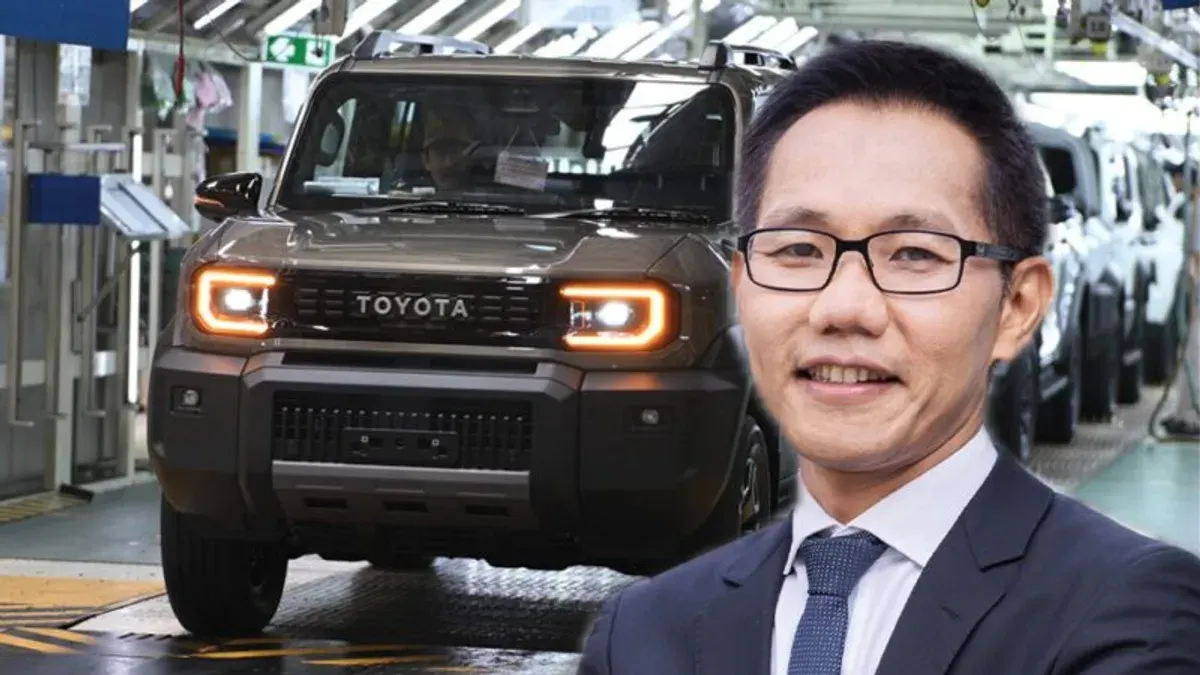
Toyota has reiterated its position that excise tax restructuring must happen urgently, arguing that higher tax collection benefits the nation and would create fair competition among domestic vehicle manufacturers.
Suphakorn Ratanawara, senior vice president of Toyota Motor Thailand, revealed that following discussions with government officials about the current automotive industry situation, Toyota has proposed restructuring the excise tax framework to ensure equal competition, with national interest as the priority. The company highlighted the competitive disadvantage facing domestically produced vehicles compared to imported Chinese electric vehicles, which pay significantly different excise tax rates, creating an uneven playing field.
To protect the domestic automotive industry, particularly manufacturers who have invested in local production facilities, Toyota argues the government should address tax loopholes being exploited by importers with no clear commitment to domestic investment. This disadvantages genuine investors who have committed to Thailand.
"Over the past 4-5 years, the government has promoted electric vehicles through subsidies worth 100,000 and 50,000 baht, using taxpayer money," Ratanawara said. "Meanwhile, some automakers exploit these gaps to import and sell vehicles without any clear plan to invest in Thailand, putting serious domestic investors at a disadvantage."
Ratanawara emphasized the importance of reconsidering the excise tax collection structure for imported vehicles and imported components assembled domestically to ensure fairness and equality.
He noted the significant scale difference: China sells 20 million vehicles annually while Thailand sells only 600,000—meaning China sells in two weeks what Thailand sells in a year. While Thailand cannot compete on cost, Chinese importers gain further advantages through tax loopholes and government subsidies while paying only 8 percent import duty, whereas domestically produced vehicles face taxes at every stage.
"We are not opposed to consumers having access to affordable vehicles," Ratanawara said. "But the government must carefully consider the details. With 600,000 vehicles sold annually in Thailand, substantial tax revenue is collected for development. However, the current tax structure allows revenue that should be collected to disappear. If this situation continues, the government will eventually lack funds to compensate for these losses. We urge the government to restructure the imported vehicle excise tax system as quickly as possible and collect at the highest appropriate rate."
While Toyota would be affected by restructured import vehicle taxation, the company is prepared to accept it in pursuit of fair competition and a level playing field, prioritizing Thailand's national interest.