Japan Carmakers Press Thailand on Unfair EV Tax Rules
Japanese automakers are pressing Thailand to reform tax rules they say unfairly favor Chinese EV imports, with Toyota warning that unfair incentives could prompt production relocations to countries like Indonesia.
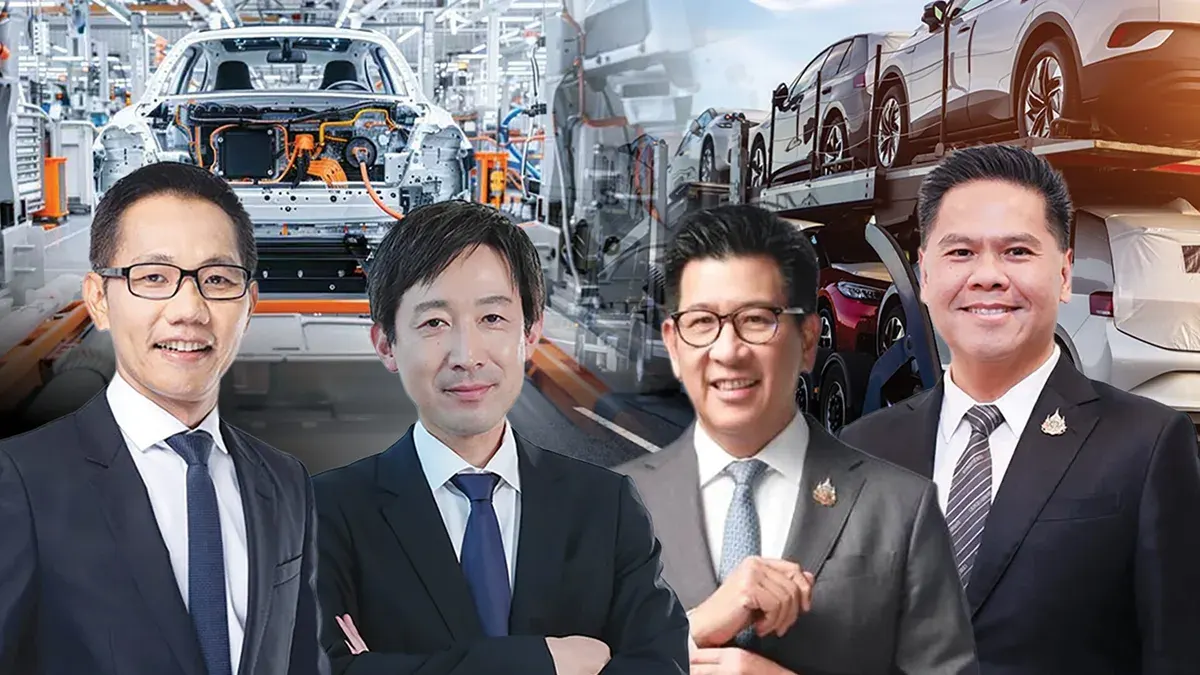
Senior executives from major Japanese automakers have publicly criticized what they say are unfair tax and incentive schemes for imported electric vehicles, particularly from China, sparking ongoing tension with Thailand's automotive industry.
Suphakorn Rattanwarahah, Deputy Managing Director of Toyota Motor Thailand, said the company has discussed the current state of the automotive industry with the Thai government to highlight the competitive imbalance between domestically produced vehicles and foreign imports, especially from China. Toyota has proposed restructuring the excise tax framework to create fair competition while prioritizing the national interest. Chinese EVs currently imported and sold in Thailand pay different excise taxes than domestically produced vehicles, making competition difficult.
Toyota also argues that to protect Thailand's automotive industry—particularly those with substantial manufacturing investments—the government should not allow tax loopholes to be exploited by importers, which costs the country lost tax revenue that should fund national development.
Meanwhile, Honda Chairman and CEO Koji Iwanami said Honda has coordinated with six other Japanese carmakers and the Japan Chamber of Commerce to urge the Thai government to lower import tax rates on Japanese vehicles and improve their competitiveness. Japanese vehicles currently face an 80% import tariff, and Honda seeks to increase opportunities and diversity in vehicle imports from Japan to meet Thai consumer demand.
The situation intensified when neighboring Indonesia announced it would welcome Toyota's relocation of its entire production base to the country, not just manufacturing facilities but a complete ecosystem. Though Toyota Thailand's senior management stated it is unlikely to move all production out of Thailand due to long-established operations, supply chain integration, trained workforce, and world-class quality standards, they warned that without fair investment incentives, the future remains uncertain.
The dispute has caused significant upheaval in Thailand's automotive sector. The Thai government has taken action, with Deputy Prime Minister and Finance Minister Ekniti Nitithanprapas instructing the Revenue Department to expedite review of the automotive tax structure using excise tax rates, with conclusions due by September to ensure fairness across all vehicle powertrains.
Industry Minister Weerawut Silpaarcha stated that the government must urgently restructure excise taxes so that domestic vehicle production costs can compete with imported vehicles, without allowing imports to have lower costs than domestically produced vehicles, which would undermine Thai manufacturers' competitiveness.