Thailand Opens 110km Highway M6 Section Free on Weekends
Thailand opened a 110km section of Motorway M6 between Bang Pa-in and Pak Chong on Friday, offering free weekend travel to help drivers reach the Northeast region while reducing congestion on traditional routes.
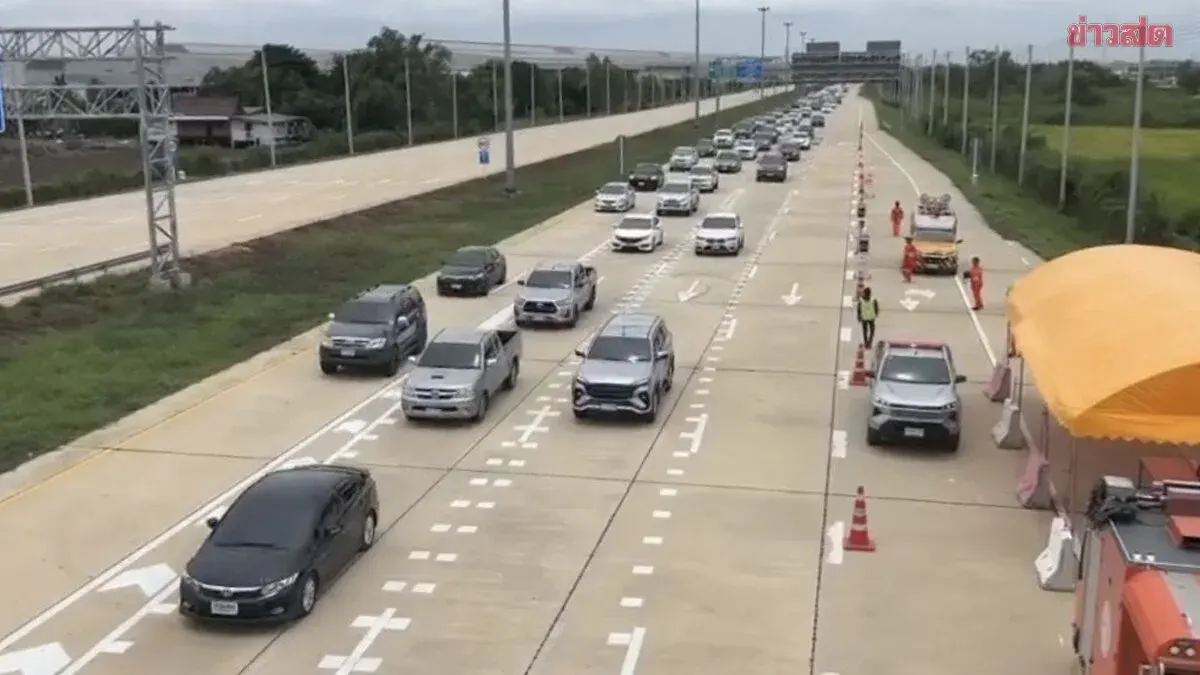
On August 21, Deputy Prime Minister Pipat Ratchakitprakarn and Transport Minister Assistant Siripong Angsukulkiarti inaugurated a trial service of Motorway M6, the Bang Pa-in to Nakhon Ratchasima route, opening an additional 110-kilometre section from Bang Pa-in to Pak Chong at Bang Pa-in toll plaza in Ayutthaya province. The route is free to use every Friday from noon until Sunday at midnight, offering residents and travellers from Bangkok and surrounding areas a new option to reach Nakhon Ratchasima and the Northeast region.
The newly opened section includes five toll booths for entry and exit: Bang Pa-in, Hin Kong, Kaeng Khoi, Mueang Lak, and Pak Chong. It connects seamlessly with the existing trial M6 service running from Pak Chong to the Nakhon Ratchasima bypass, providing continuous and convenient access to the Northeast. The route is expected to reduce traffic on the traditional Phahon Yothin and Mittraphap routes by 30 to 40 per cent, especially during weekends and holidays.
Deputy Prime Minister Pipat stated that opening this section represents a significant step in developing the country's transport network and reflects the government's policy of making ready infrastructure available to the public promptly. The complete 196-kilometre M6 route will serve as a strategic alternative to the Northeast, complementing existing roads while distributing traffic flow, reducing congestion, shortening travel times, and lowering transportation costs. He also instructed authorities to maintain high safety standards, particularly in scenic areas such as Lam Ta Khong, and urged the public to use the route responsibly and follow traffic regulations strictly.
Highway Department Director Piyapong Jiwatanakulpaisan said the department has prepared all aspects of the route, including traffic management, personnel, and emergency assistance systems, in coordination with Highway Police, Provincial Police, rescue units, and local agencies to facilitate traveller safety throughout the trial period.