Thailand Pursues New Trade Deals to Counter US Tariffs
Thailand is implementing forced labor prevention measures and pursuing new trade agreements to counter US tariffs and reduce dependence on the American market amid volatile global trade conditions.
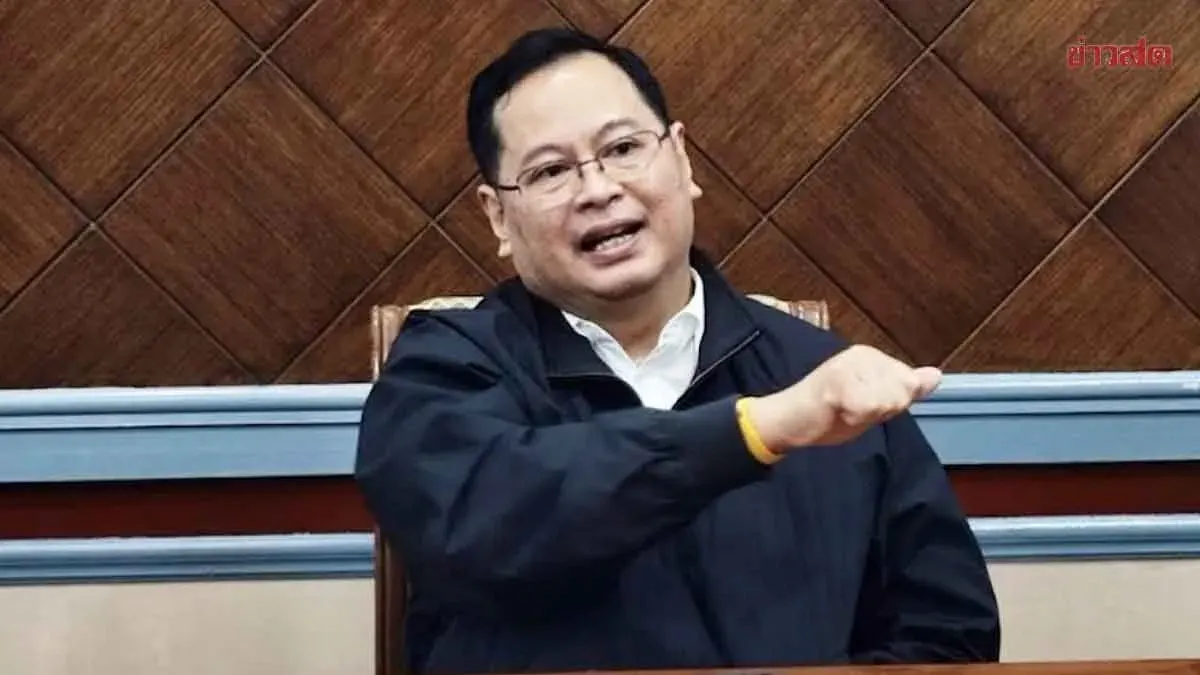
Deputy Prime Minister Pokkrong Nila-premphan revealed that Thailand is implementing forced labor prevention measures aligned with international standards and OECD criteria, even as the United States applies tariffs. The government is urgently seeking new solutions through market diversification and enhanced negotiating power to navigate volatile global trade conditions.
On July 24, 2025, at Government House, Pokkrong disclosed that the US has invoked Section 301 tariffs, imposing a 12.5% import duty on more than 37 trading partners, including Thailand. He explained that the Thai government has undertaken various measures to address US concerns, particularly establishing guidelines for imports with forced labor risks, approved by the cabinet. "We already have measures in place, but they may not fully satisfy US authorities," Pokkrong said. "The government has implemented legal frameworks aligned with international standards and OECD requirements, reflecting our full commitment."
Pokkrong stressed that the current global situation has changed dramatically, making it difficult to forecast developments and directly affecting Thai exporters facing unprecedented conditions. Multilateral trade rules are weakening, prompting many countries to pursue regional negotiations to reduce tariffs and trade barriers instead. Thailand must prepare for this volatility.
Recognizing the trend toward power polarization among major country blocs, Thailand must accelerate free trade agreements with other partners to diversify its trade risks away from heavy reliance on the increasingly uncertain US market. Facing US tariffs demonstrates that international standards alone may not resolve trade disputes; Thailand must build negotiating power through regional cooperation and strengthen its domestic economy.
A cabinet meeting on June 23 approved the Labor Ministry's proposal to establish guidelines for imports with forced labor risks, supporting trade negotiation strategy and demonstrating Thailand's commitment to addressing forced labor throughout supply chains. The cabinet approved two key measures: acknowledging the results of Thailand's investigation, and approving the establishment of a committee to set standards for imports with forced labor risks, chaired by the Labor Minister. The committee will have authority to establish measures and enforcement guidelines, as well as propose watchlists and risk lists of imports with forced labor concerns to the cabinet—measures never before implemented in Thailand. These guidelines will align with international standards including the UN Guiding Principles on Business and Human Rights, focusing on assessing forced labor risks throughout entire supply chains from raw materials to final delivery.