Thai Chamber Backs Trade Deal Push on US Tariff Exemptions
Thailand's Chamber of Commerce backs the government's push to secure tariff exemptions for Thai goods in trade negotiations with the US, prioritizing products with high local content like agricultural and food items to boost rural economies
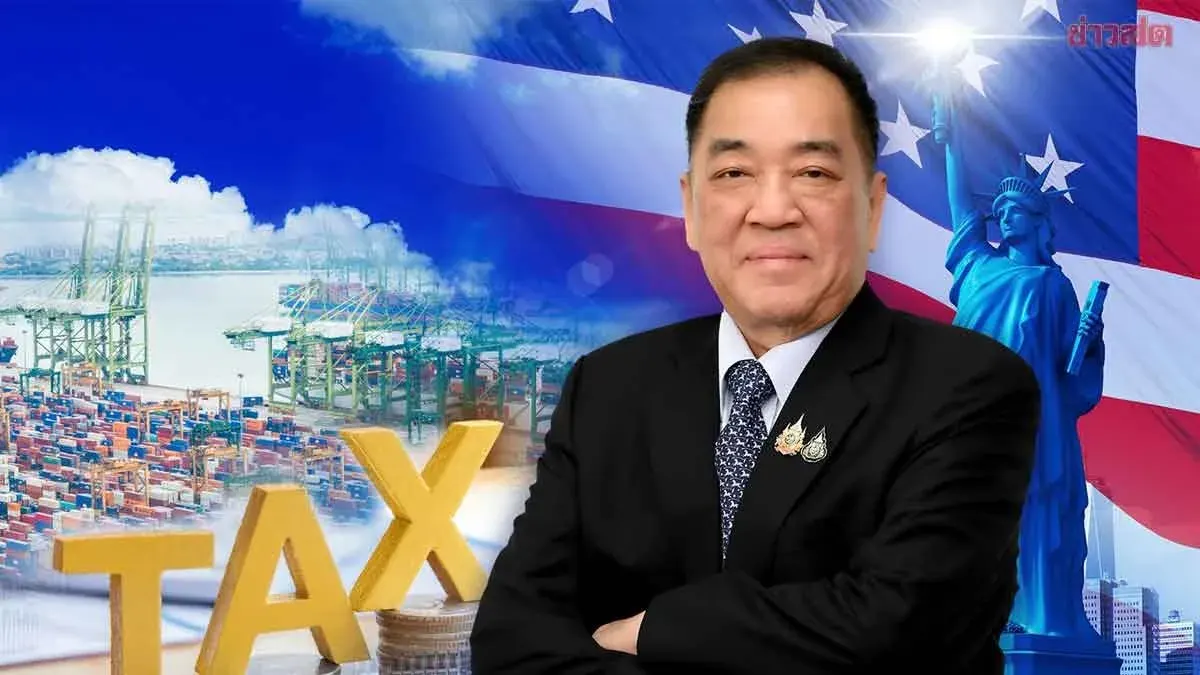
The Thai Chamber of Commerce supports Deputy Prime Minister and Commerce Minister Supachai Suthammaphand's efforts to accelerate negotiations on the Agreements on Reciprocal Tariff (ART) between Thailand and the United States, according to chamber chair Phot Aramwattananont. A clear trade framework would reduce business uncertainty and allow operators to plan production, investment, and exports with greater confidence while ensuring Thai tariff rates remain competitive against rival nations.
The private sector agrees with Supachai's approach to prioritize expanding the exemption list for Thai goods, especially those with high local content that use domestic raw materials and add value through Thai manufacturing. This would benefit Thailand's economy widely. For agricultural, food, and agro-industrial products—including fisheries and animal feed that represent Thailand's strengths and link large numbers of farmers, SMEs, and processors—the chamber strongly supports inclusion on the exemption list to maintain competitiveness and directly benefit rural communities and producers.
Focusing on high local-content products preserves added value within the country, supports employment, and strengthens domestic supply chains in line with the global shift toward regional value chains. The chamber stressed that negotiations should maximize benefits for Thailand by prioritizing goods that create domestic added value and support grassroots economies, while accelerating the ART and pushing key export items with high value—particularly those the US cannot produce sufficiently—onto the exemption list would reduce uncertainty, maintain competitiveness, and deliver concrete benefits to Thai citizens and US consumers through lower living costs.