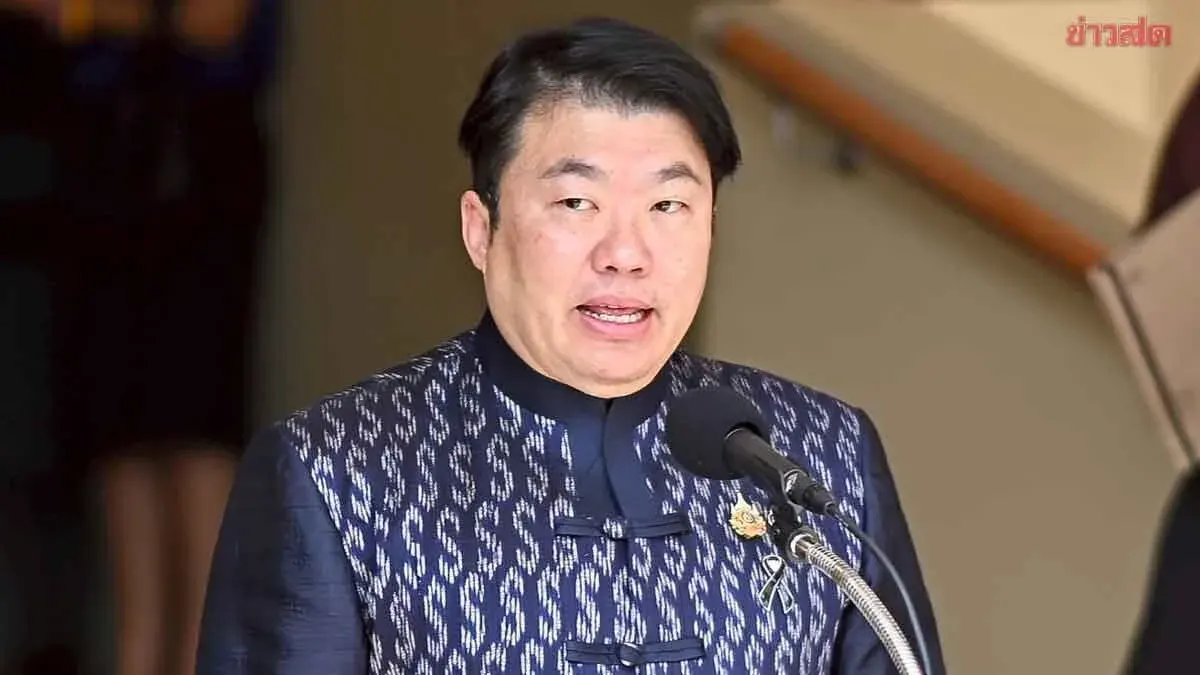
Thailand Pushes US Trade Deal as Supachai Meets Three Top American Officials
Thailand's Commerce Minister met with three senior U.S. officials in Washington to accelerate bilateral trade negotiations and address pending investigations, with both sides pledging continued talks to narrow gaps on a reciprocal trade agr
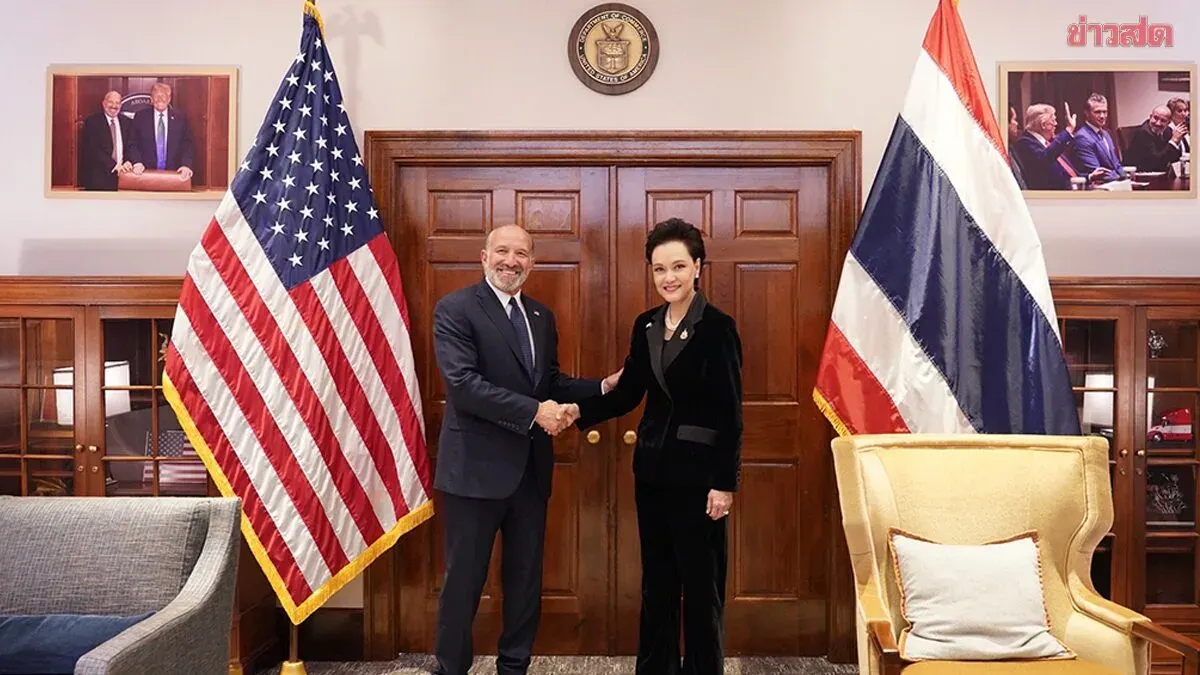
Deputy Prime Minister and Commerce Minister Supachai Panitchpakdi revealed that bilateral negotiations with three senior U.S. officials—Susie Wiles (White House Domestic Policy Advisor), Howard Lutnick (U.S. Commerce Secretary), and Rick Switzer (Deputy U.S. Trade Representative)—took place on July 15–16, 2025, in Washington, D.C. The primary goal was to accelerate the Thailand-U.S. Agreement on Reciprocal Trade (ART) and track Section 301 investigation results while strengthening economic and investment ties.
Supachai stated that discussions proceeded positively and reaffirmed Thailand's standing as a dependable U.S. ally in Southeast Asia. Thailand has shown full flexibility toward American demands within legal and policy constraints. The U.S. side thanked Thailand for its commitment to speed up negotiations and praised efforts to balance trade. However, the U.S. needs additional time to review Thai proposals to narrow gaps and align expectations, with further talks to follow soon.
Thailand remains committed to protecting national interests using investment and increased U.S. imports as leverage under the Joint Statement agreed in July 2024, aimed at reducing the bilateral trade deficit. Supachai emphasized that each country has different contexts and negotiating readiness, different legal frameworks and policies, so success cannot be judged by a single standard but by the overall final outcome serving mutual benefit.
Supachai also discussed Section 301 investigations, under which Thailand currently faces two cases: structural excess capacity and lack of measures prohibiting imports of goods made with forced labor. The U.S. uses this as a tool to drive tariff measures following the U.S. Supreme Court's ruling that the president's emergency tariffs under IEEPA were unlawful. The U.S. is reviewing final investigation results, provisionally setting 12.5% tariffs for 46 countries without forced labor import bans and 10–14% for 14 others.