Thailand Outlines Three Key Points in US Trade Talks
Thailand's deputy PM outlined three priorities in US trade talks: honoring a 19% tariff agreement, increasing Thai investment in America to nearly $20 billion with new energy and agricultural projects, and expanding cooperation on labor and
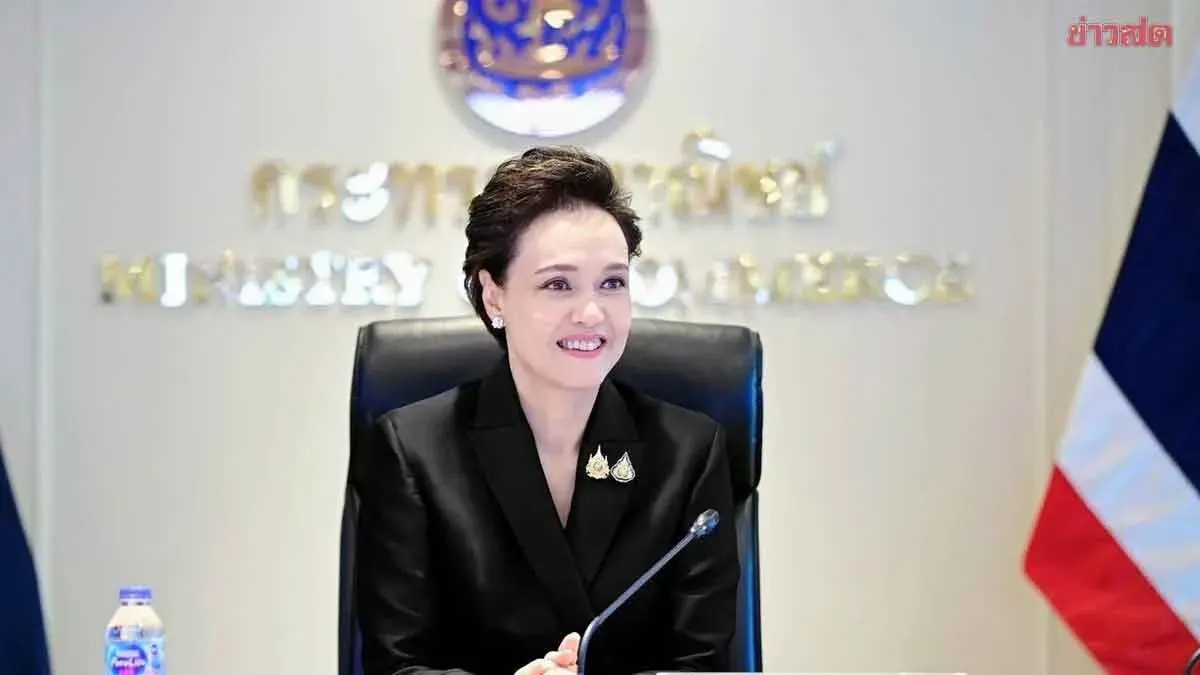
Deputy Prime Minister and Commerce Minister Suphajee Suthummaphand, heading the Thai delegation, disclosed after returning from last week's trade negotiations with the United States that the Thai team met with senior policy advisors influential with President Donald Trump and the USTR to discuss three main points: First, Thailand reaffirms its commitment to reducing the trade deficit under the original agreement within a 19% tariff framework, despite the change in government. Second, Thai private sector will increase investment in the United States from the current approximately $19.3 billion, with plans to present nearly 20 additional investment projects, including energy branches from Baan Pu Company and agricultural ventures such as CP's food production and joint research with the US. Third, other forms of cooperation Thailand can support the US on, such as non-trade barrier measures like factory inspection facilitation or security cooperation through joint military training. The government is prepared to handle US tariff measures comprehensively, with the primary goal being to expedite the ART agreement under the best mutual benefit, as this agreement will determine whether Thailand receives the previously agreed 19% tariff rate or faces rates close to the initially announced 36%. Regarding forced labor issues, Thailand was investigated alongside 60 other countries, with results announced on July 24. Thailand was assigned a 12.5% tariff rate, placing it in a group of 46 countries receiving this rate, while 14 other countries, mostly those having signed ART agreements, received a lower 10% rate. Thailand already has domestic laws addressing forced labor enforcement, but what is still lacking is legislation prohibiting imports of goods produced through forced labor, which Thailand is currently drafting and pushing through parliament in the next session (the 25th ordinary parliamentary session from August 2026 to December 2026) under the supervision of the Ministry of Justice and with the Ministry of Labor and Social Welfare serving as secretariat, involving comprehensive human rights due diligence (HRDD). The 12.5% tariff related to the forced labor import ban has not been immediately collected as it requires consultation with stakeholders including business operators, meaning the USTR cannot achieve 100% implementation unilaterally but has the responsibility to gather opinions from investigated countries like Thailand and other interested parties.