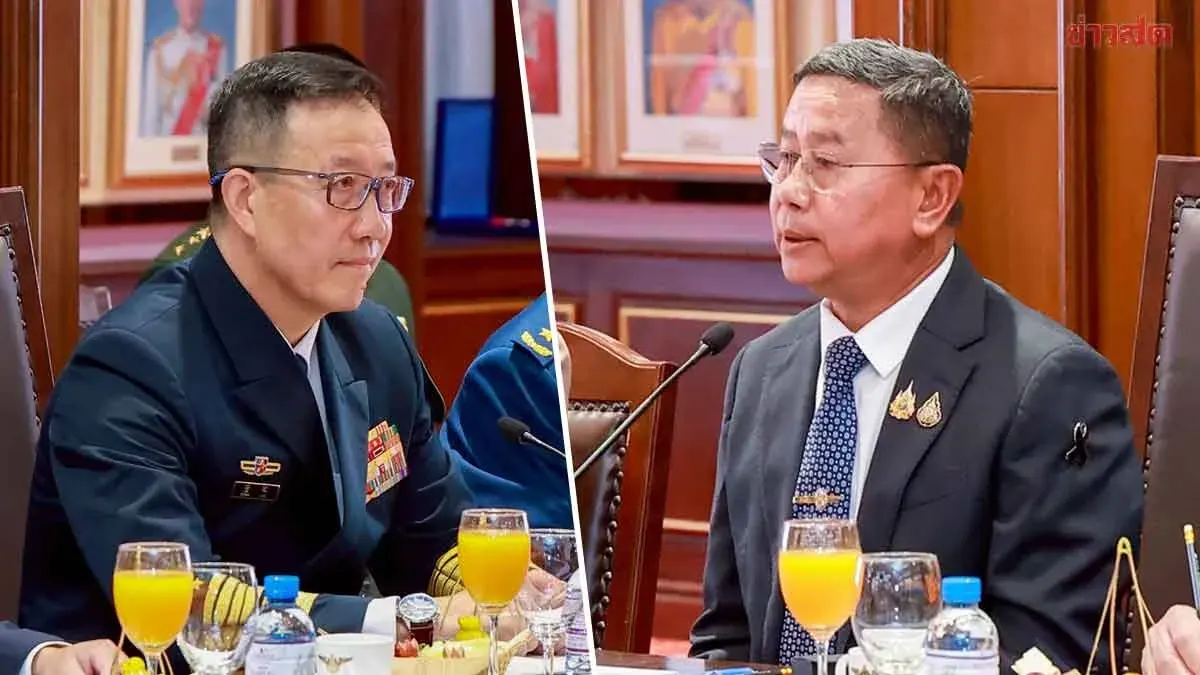
Thailand Pushes for Balanced Trade Deal With US
Thailand secured exemptions for over half its US exports from new 10-12.5% retaliatory tariffs imposed July 24, while negotiators push for a balanced trade deal to protect both nations' interests and long-term economic ties.
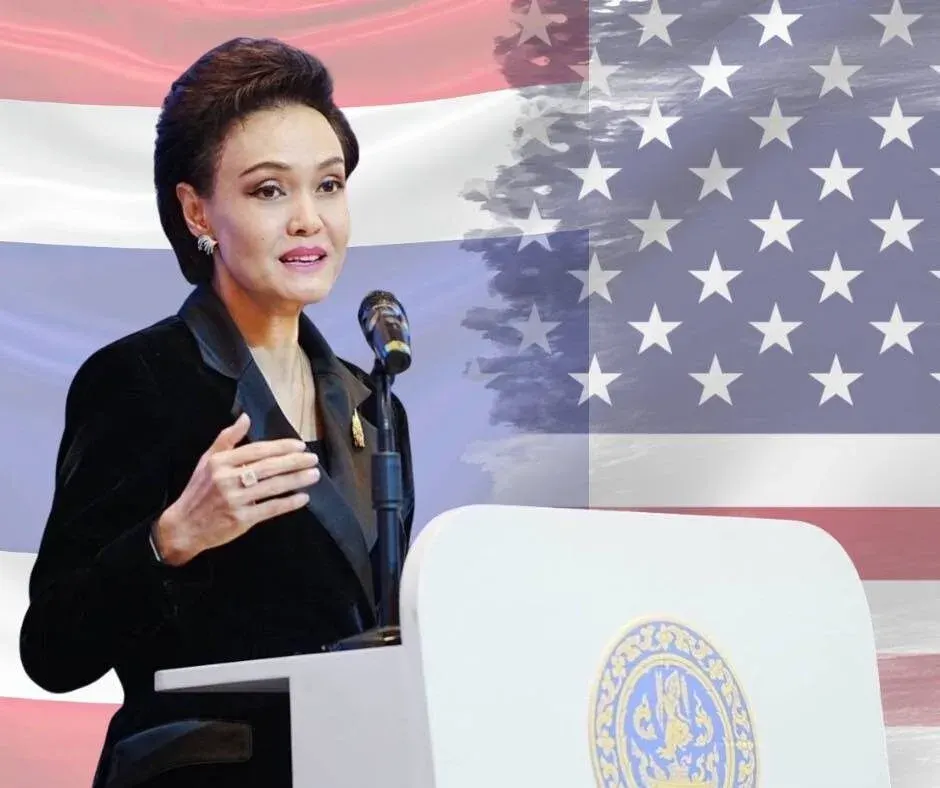
Thailand's Commerce Ministry is accelerating trade negotiations with the United States to reach a mutually beneficial settlement and preserve a strong long-standing trade relationship. The US is invoking Section 301 of its 1974 Trade Act to investigate trading partners worldwide, including Thailand, on two key issues: structural excess capacity and failure to enforce prohibitions on imports of goods made with forced labor. These tariff measures replace previous Section 122 duties of 10% above normal most-favored-nation (MFN) rates, which expired on July 24, 2025.
On July 23, 2025, the US announced final determinations imposing retaliatory tariffs of 10% and 12.5% on Thailand and 37 other countries including Vietnam, the Philippines, and China for not implementing forced labor import bans. However, Thailand secured exemptions for 2,120 product categories representing over half of its export value to the US, including integrated circuits, hard drives, aircraft parts, natural rubber, cassava flour, pineapple, fruits, coconut products, and sugar. The tariffs take effect July 24, 2025.
Deputy Prime Minister and Commerce Minister Suphachai Sutthangphanranth, leading Thailand's negotiating team, stated the goal is to reach a balanced agreement that protects public health, national security, and the government's policy-making authority while maintaining a long-term economic partnership. Assistant Commerce Minister Kirida Phaoapichit confirmed the US enforcement of Section 301 tariffs at 12.5% (a 2.5% increase from the previous 10% rate) and noted Thai competitiveness remains viable given the broad exemptions granted. The Commerce Ministry is closely monitoring a separate pending investigation into structural excess capacity affecting 16 countries including Thailand, while simultaneously pursuing a reciprocal trade agreement (ART) to maximize benefits for both nations. Thai negotiators acknowledge discussions may take longer than some regional peers due to sensitive issues and domestic legal constraints that cannot be waived, particularly regarding health and security matters.