Fed's Balance Sheet Shift Could Boost Gold Toward $4,200
Fed policy shifts toward balance sheet reduction could weaken the dollar and push gold prices toward $4,200 per ounce, though Treasury yields remain a critical wildcard in determining the metal's direction.
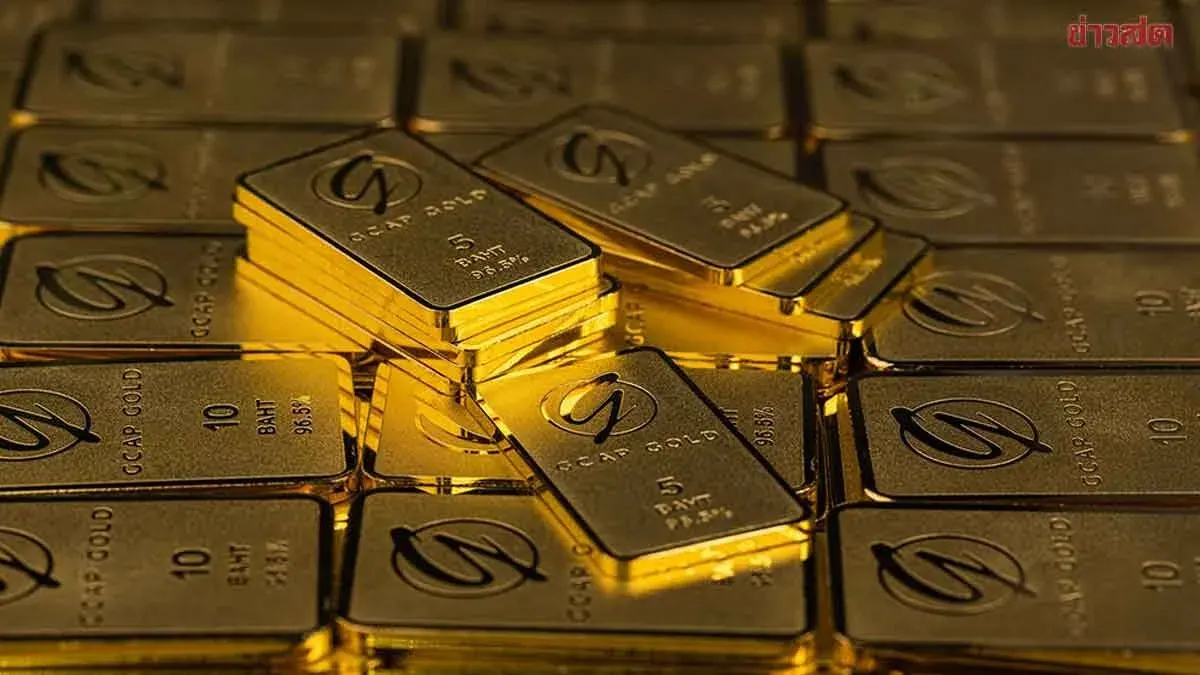
GCAP Gold's chief analyst Areerut Murachy says global markets are tracking the Federal Reserve's changing policy direction under Kevin Warsh, who has begun signaling emphasis on balance sheet reduction rather than rate increases. If implemented, this approach could pressure the U.S. dollar and support gold price recovery; however, market direction still depends on U.S. Treasury yields, which could also suppress gold if they rise.
Warsh told Congress that the Fed's $6.8 trillion balance sheet review will address appropriate reserve levels for the financial system, requiring the Fed to maintain government bonds at certain levels—consistent with his longstanding opposition to quantitative easing. While the Fed may not return to pre-2009 balance sheet levels, it can restructure toward more sustainable levels.
Deutsche Bank analysts caution that the Fed's "reduce balance sheet but not raise rates" approach may not significantly weaken the dollar unless short-term Treasury yields rise, citing Japan's experience where yen remained weak despite gradual balance sheet cuts. The policy could pressure the U.S. government to keep long-term borrowing costs down, requiring close monitoring of market reaction.
GCAP GOLD analysts see increasingly positive signals in gold as selling momentum slows, though an uptrend hasn't been confirmed. If gold holds above $4,100/oz firmly, it could rally to test $4,200 resistance (approximately 66,700 baht). Failure to break above would bring selling pressure toward support at $4,065–$4,000/oz (65,200–64,500 baht), viewed as an accumulation zone.