Thailand Ranked Among World's Four AI Supply Chain Hubs
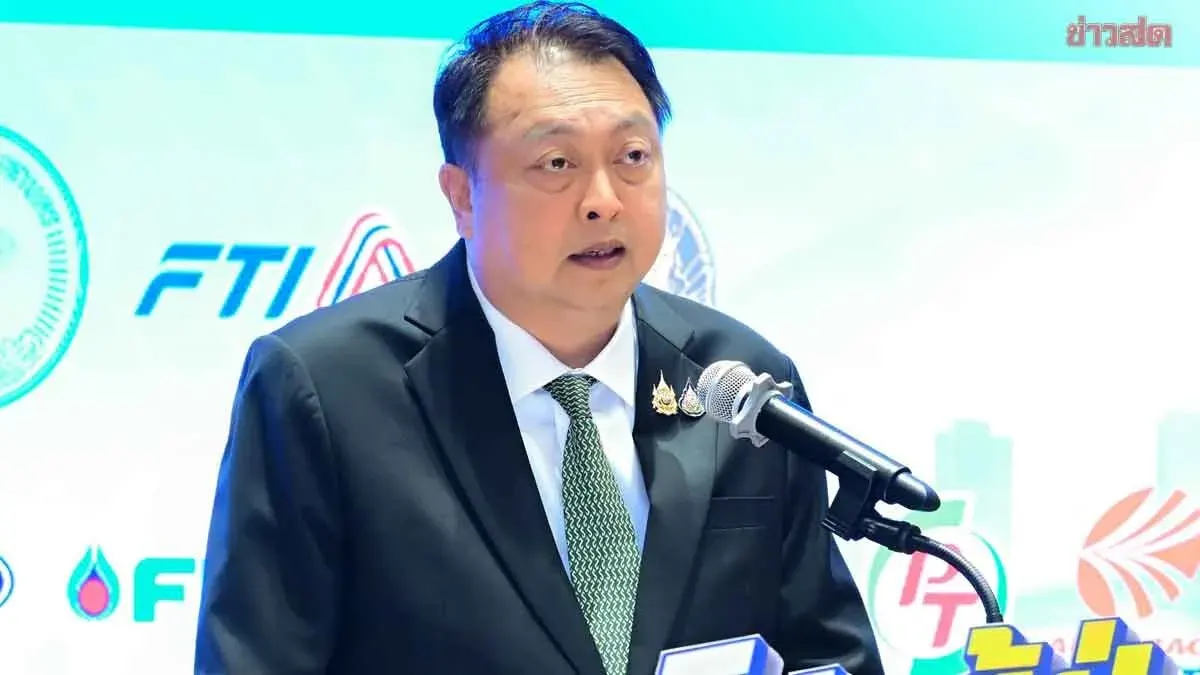
Finance Minister Ekniti Nitithanprapas announced Thailand has been named one of the world's four key AI supply chain hubs by the World Bank and IMF, alongside Malaysia, Vietnam, and South Korea. The designation is driving a surge in investment promotion applications and expected to attract sustained foreign capital, while Thailand's strong fiscal position with low debt and borrowing costs provides resilience against global market volatility sparked by US political shifts.
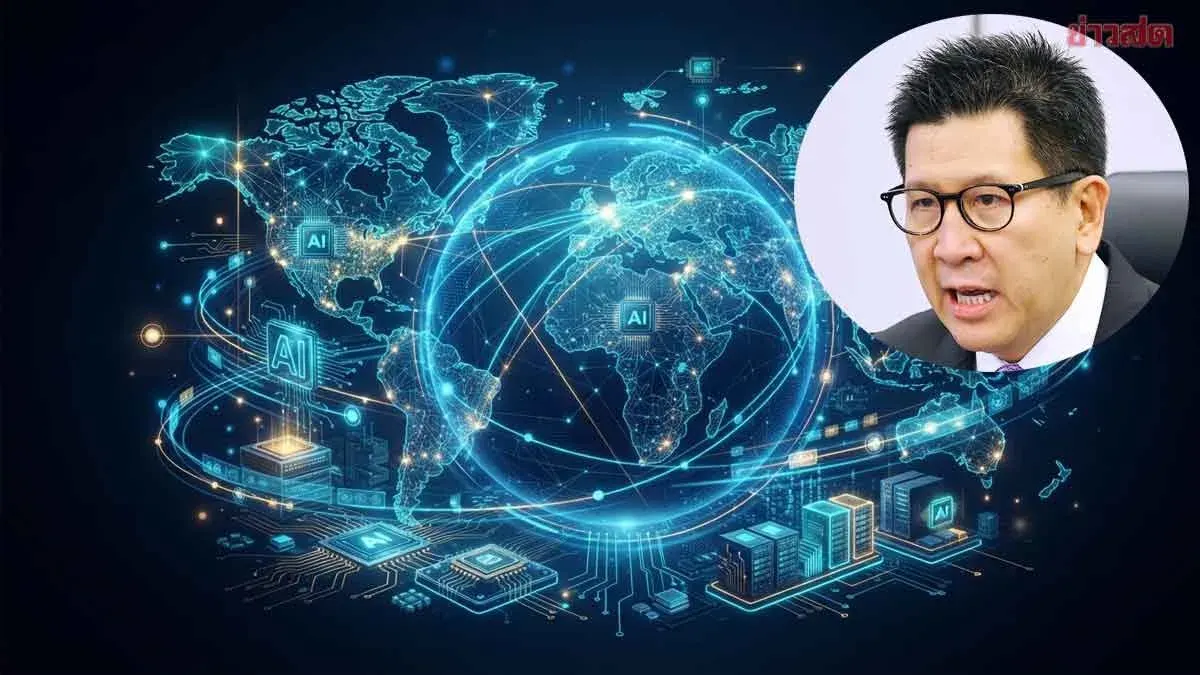
Deputy Prime Minister and Finance Minister Ekniti Nitithanprapas revealed that the Democratic Party's victory in the 2026 US midterm elections has visibly affected global money and capital markets, with foreign stock markets declining amid short-term concerns and volatility, particularly policy uncertainty surrounding the AI technology sector that must await clarity from US leadership.
However, Thailand has prepared closely to handle such volatility, monitoring both positive impacts and risk factors. On trade policy, the Thai government continues negotiating with the US to protect Thai entrepreneurs and maintain competitiveness in the large US market. Prime Minister Anutin Charnvirakul may hold talks with the US President during the upcoming APEC economic cooperation summit.
Thailand also benefits significantly in the AI supply chain sector. Data from World Bank and IMF meetings designated Thailand as one of four primary global AI supply chain hubs alongside Malaysia, Vietnam, and South Korea. This has driven a sharp rise in Board of Investment (BOI) promotion applications and is expected to continuously attract additional foreign capital.
Regarding financial stability and fiscal discipline, Thailand is considered highly resilient against global economic volatility compared to the US, which faces public debt exceeding 100% of GDP. Thailand maintains fiscal discipline with public debt at only about 60% of GDP, resulting in 10-year Thai government bond yields at just 2% versus 5% in the US, reflecting clearly lower borrowing costs. Global oil prices have also declined, adding commodity-sector volatility.
"However, the government has monitored the situation and prepared to respond without complacency."