Thailand's Clean Air Bill Returns to Parliament for Debate
Thailand's long-delayed Clean Air Act has returned to parliament after seven years of advocacy, aiming to tackle the country's chronic PM2.5 crisis by enshrining clean air as a human right. The bill targets five major pollution sources and would enforce a 'polluter pays' principle with specific penalties and economic incentives, though it still requires legislative approval and royal assent before becoming law.
The Clean Air Act is not merely an environmental law but directly concerns citizens' basic right to breathe air that does not endanger health. Thailand has faced PM2.5 problems for many years, recurring annually. Despite measures like pollution control zone declarations and campaigns to reduce burning, the problem persists. The bill has been advocated for nearly seven years and most recently re-entered parliamentary consideration on November 25, 2026, though it still requires a House vote, royal assent, and publication in the Royal Gazette before taking effect.
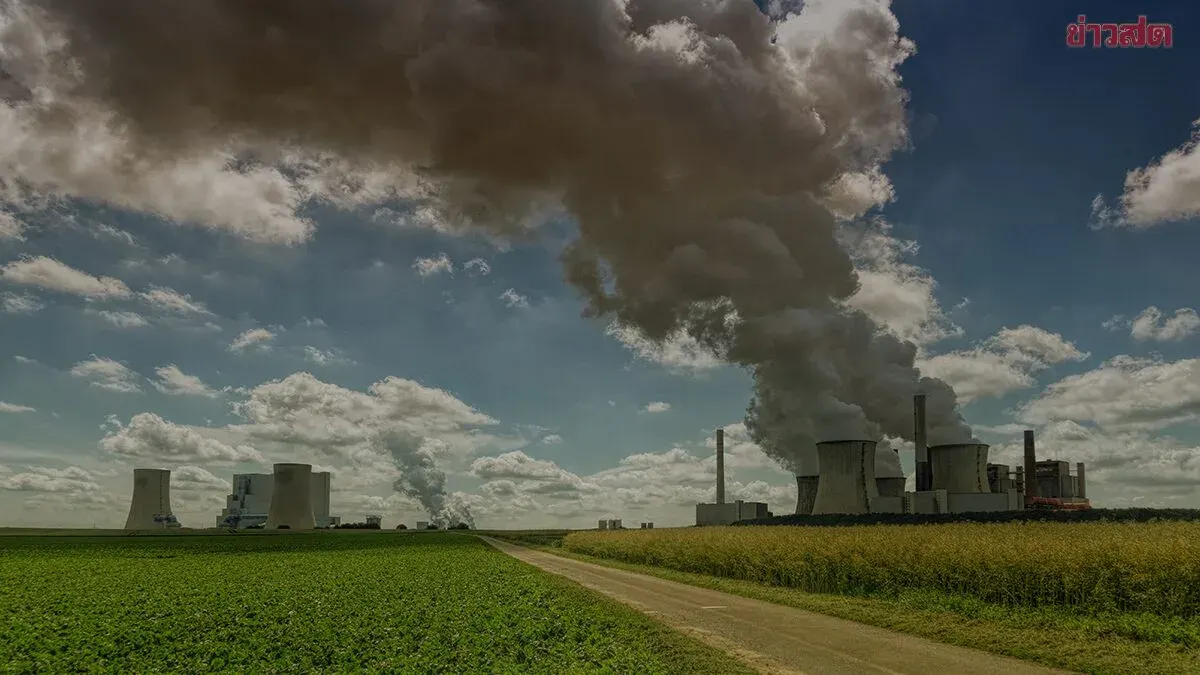
Thailand's PM2.5 originates from five main source groups: traffic and vehicles (especially diesel engines); agricultural burning (rice stubble and post-harvest fields, particularly in dry season); industrial factories and energy sector production processes; forest fires and illegal burning of natural areas (especially in valley or mountain terrain where air stagnates); and transboundary pollution from neighboring countries carried by wind.
Existing laws are fragmented across multiple agencies, leading to uncoordinated efforts. If enacted, the Clean Air Act would elevate clean air from an environmental issue to a human right, control pollution at source across all sectors, enforce the 'polluter pays' principle through emissions fees, tax incentives, emissions trading, support for low-emission businesses, and civil/criminal penalties. It would also guarantee public access to specific pollution source data and establish funding mechanisms and economic tools to support pollution reduction.