Thailand Shifts Rice Strategy From Volume to Premium Value
Thailand is shifting its rice strategy from volume-based exports to premium, high-value products through eco-friendly, identity-driven, and health-focused categories to boost farmer incomes and global competitiveness. The Commerce Ministry
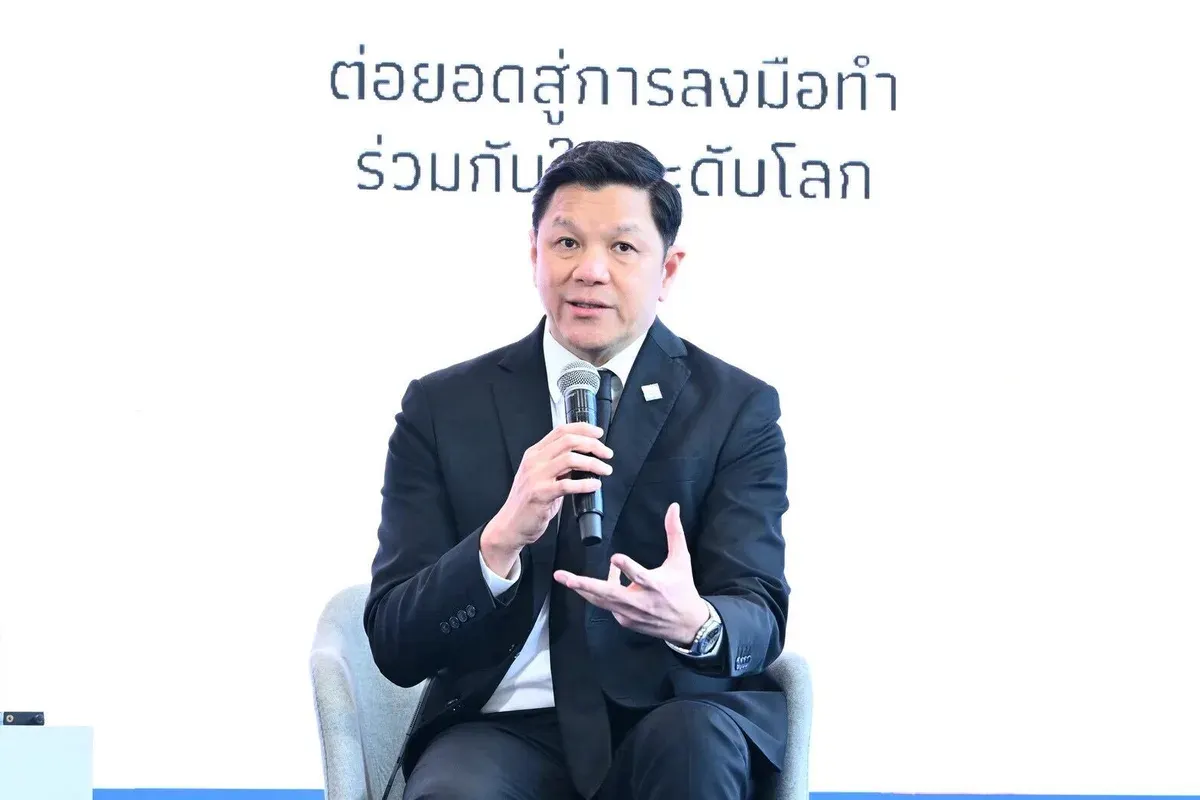
Thailand is upgrading its rice sector by emphasizing quality over quantity to create sustainable farmer income through three distinct product categories. Nanthapong Jiralersphong, director of the Ministry of Commerce's Office of Trade and Strategy Policy, explained that the office is studying ways to elevate rice farming income into high-value agricultural products. This strategy aims to create differentiation for Thai rice and boost competitiveness in an increasingly crowded global rice market, where oversupply pressures prices. As a major global rice exporter, Thailand must transition from "selling volume" to "selling value" to sustainably increase farmer incomes.
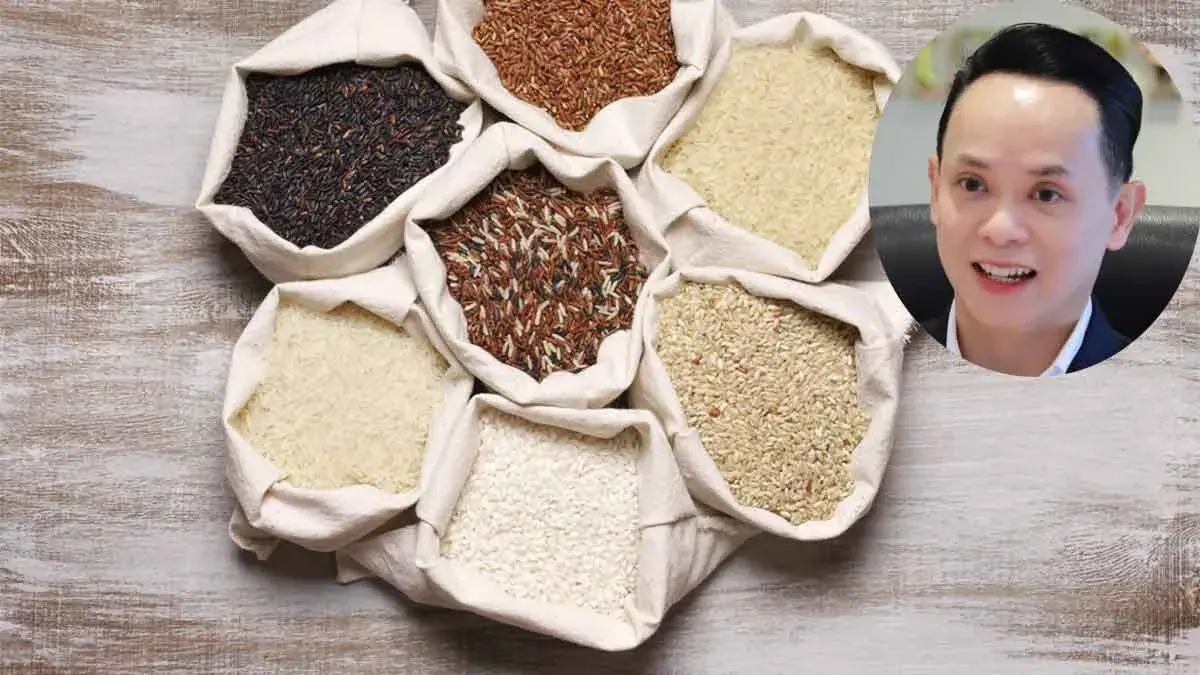
The three rice categories are: eco-friendly rice, which emphasizes socially and environmentally responsible production meeting global trade standards and consumer expectations. This includes sustainable rice grown under the Sustainable Rice Platform (SRP) standards covering environmental, economic, social, and management dimensions; low-carbon rice produced through processes that reduce greenhouse gas emissions; and organic rice grown without synthetic chemicals. Identity and story-driven rice highlights unique value linked to geographical origin and traditional knowledge, including rice with Geographical Indication (GI) status—such as Khao Kam Lanna, Jasmine Rice from Khorat, and Khao Sangkhod Phatthalung—and indigenous and hill-tribe rice varieties with cultural significance and distinctive flavors. Health-focused rice addresses aging populations and wellness trends through superior nutritional value, including high-nutrition and colored rice varieties like Rice Berry and black rice rich in antioxidants, vitamins, and minerals; and specialty rice developed through research, such as low-glycemic index rice for blood sugar management and fortified rice with added vitamins and minerals.
Nanthapong stated that upgrading Thai rice to high-value agricultural products is a crucial strategy to sustainably increase farmer incomes, differentiate Thai rice globally, and maintain competitive advantage. The office is currently studying global demand for premium rice to understand what types each country seeks, and developing policy proposals to shift cultivation areas from volatile white rice to high-value varieties that match consumer preferences and justify premium pricing.