Thailand Shifts Security Model After School Shooting
Thailand is shifting its security approach following a school shooting, moving from viewing safety as purely a police responsibility to treating citizens as security partners who can prevent attacks at schools, malls, and hospitals.
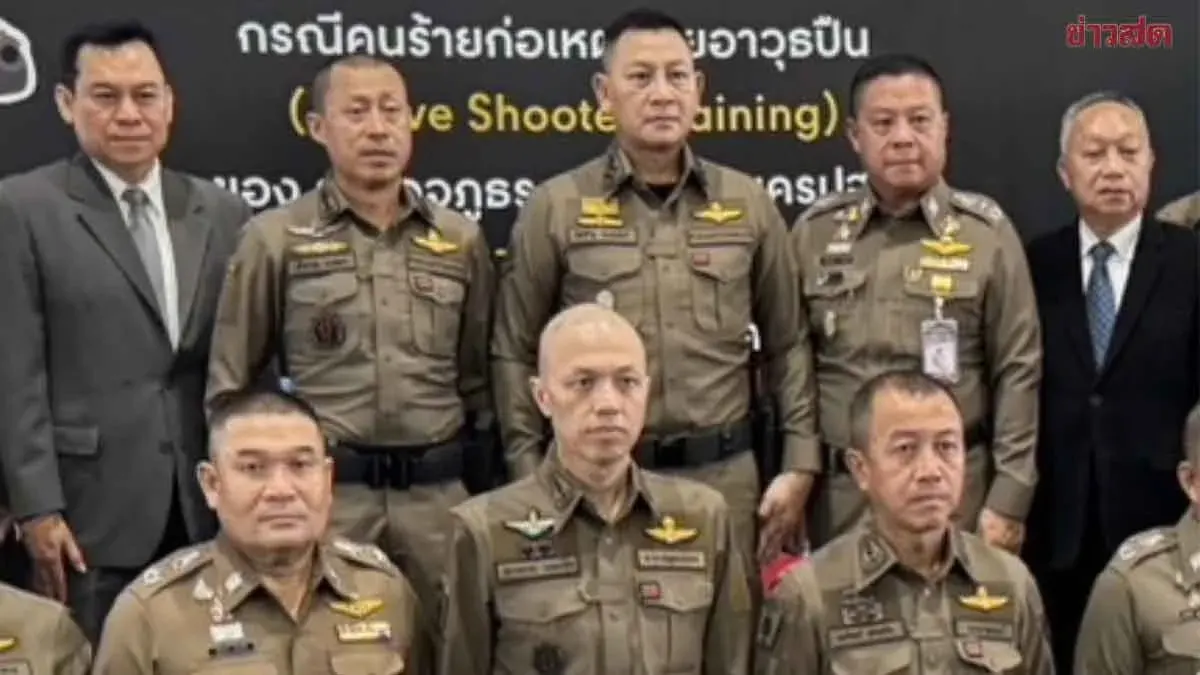
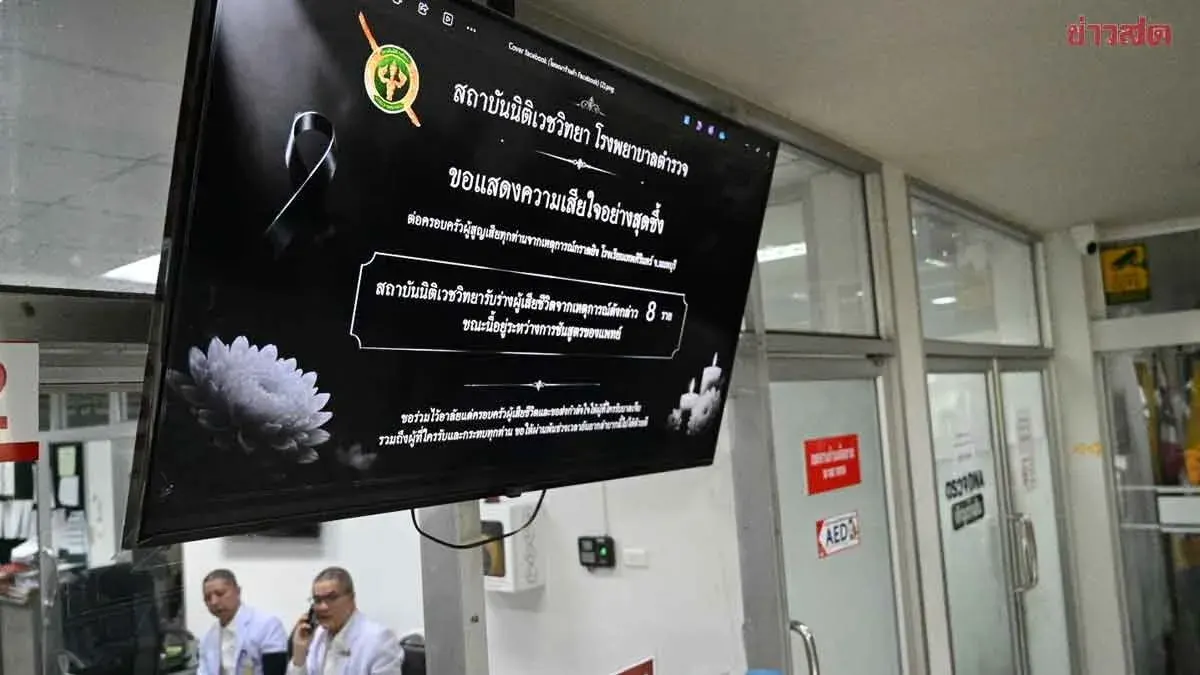
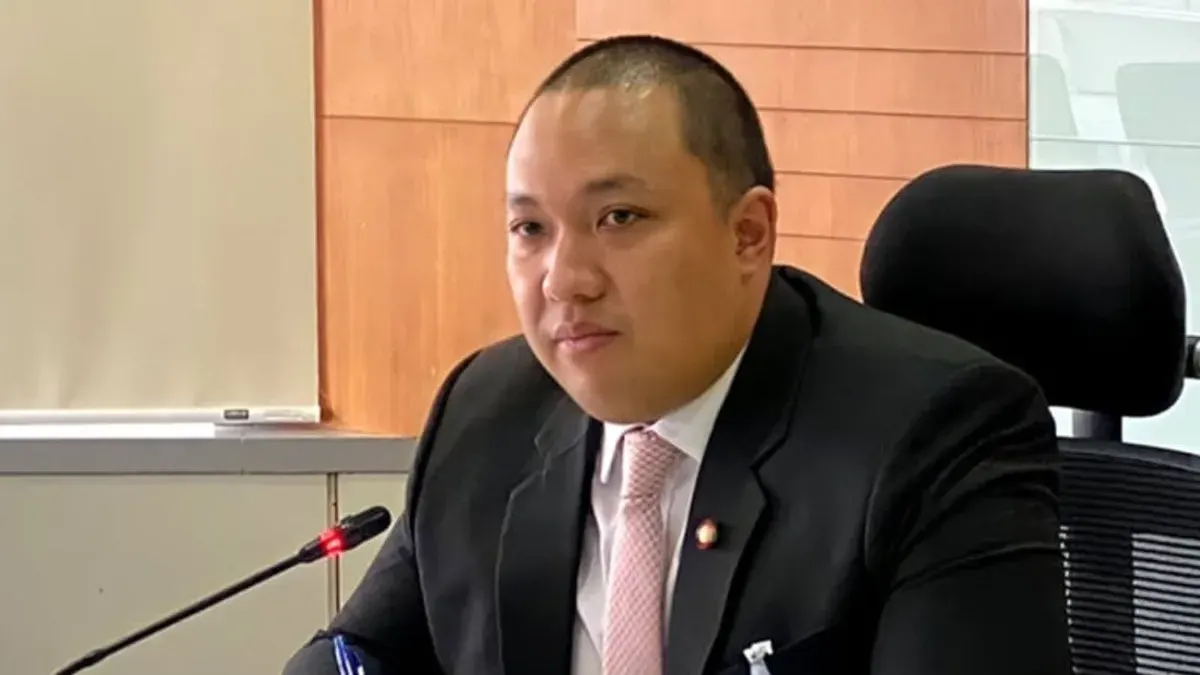
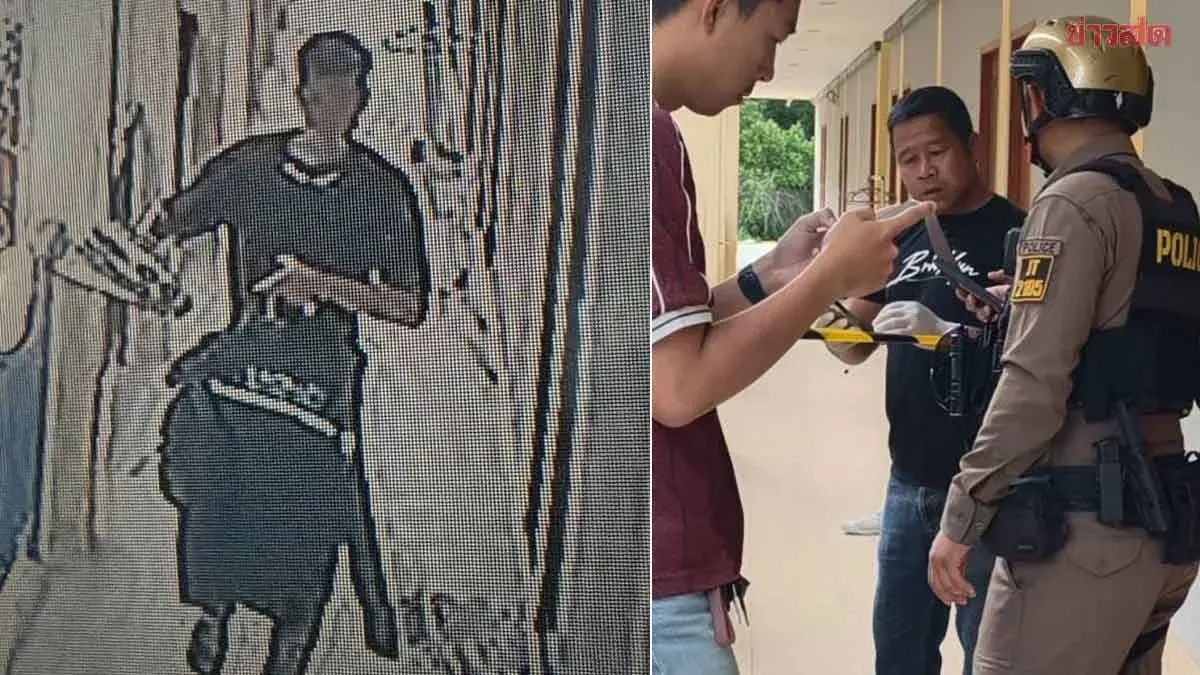
Assoc. Prof. Dr. Nopphol Kannika, a national police policy board member and lecturer in peace innovation at Siam Technology College, said the Thepsirin School shooting in Nonthaburi deeply shook Thai society because schools should be the safest spaces for children and youth. The incident raises not only the question "How will police handle such attacks?" but the larger question "How do we prevent this from happening again?"
Kannika argued that Thailand must shift its security mindset from viewing safety as solely a police responsibility to adopting the concept of "police and public as security partners." Police cannot be stationed at every street corner, school, mall, hospital, or public gathering space, but teachers, employees, medical staff, business owners, and community members are already present in those locations and know them best. If these people have proper knowledge, communication systems, and connections to police, they become a crucial force for prevention before crises escalate.
This approach aligns with research on school shootings that Kannika studied during graduate work in risk management and strategy at Georgetown University in Washington, D.C., and with Thailand's current community-based prevention initiatives for "soft targets" such as malls, schools, hospitals, and entertainment venues. The key concept is not to turn citizens into police, but to make them "aware of threats, know how to report, know how to escape, and know how to coordinate with police."
Kannika noted that police leadership is measured not only by quick response during crises but by the ability to "build prevention systems before incidents occur" and by genuinely including the public in safety structures. With limited police personnel, public participation has become essential and should be elevated to national policy through the "modern-era volunteer police" concept and gun control policies championed by Prime Minister Anuthm Chaiyaveerakul and implemented by Police Deputy Commander Kittiratte Phandpet, reflecting alignment between policy leaders and operational leaders in placing citizens at the center of security systems.