New Security Leadership Seeks Multifaceted South Border Solution
New security leadership takes over Thailand's 22-year southern border conflict effort as a comprehensive civil society proposal covering 16 policy dimensions—from peace dialogue to decentralization—is submitted to lawmakers and government o

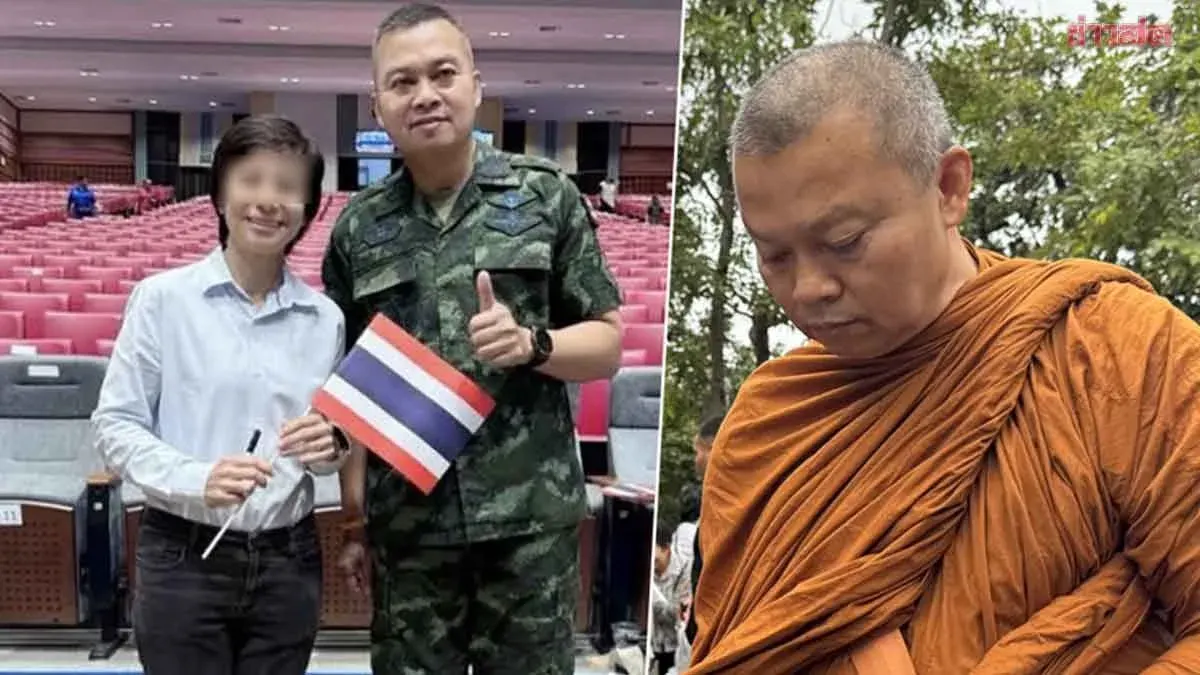
Significant changes are underway in efforts to resolve the southern border insurgency, a critical issue that has persisted for 22 years. The Anutin government has recently replaced the secretary-general of the National Security Council, appointing General Chaiyapruck Duangpratthana from the Armed Forces Secretariat. The Fourth Army Region commander has also been changed, with Lieutenant General Chakarit Ujcharoen being promoted from deputy commander. Both officials will assume their posts on October 1, 2025, and their approaches to addressing southern violence will be closely watched. Violent incidents continue to occur periodically, though not frequently, and each attack results in loss of life. A recent militant ambush killed and injured multiple people in Sukirin, Narathiwat.
Simultaneously, Mahidol University's Institute of Human Rights and Peace Education, working with the Southern Border Civil Society Council and partner networks, has presented a policy proposal forum covering 16 comprehensive dimensions for resolving the southern border crisis. The proposal will be submitted to political party representatives and southern border MPs for forwarding to the government, prime minister, coalition and opposition parties, and parliament.
The 16 areas include peace dialogue, community-centered security, local economics, culture and identity, language and religion, youth participation, environmental issues, community strengthening, family matters, and women's development. They also address education, local history learning, media literacy, information verification, and victim rehabilitation.
A key proposal is decentralization and administrative reform with power-sharing appropriate to local context. Several countries have successfully used this approach to reduce or end long-term conflict, though it presents a significant challenge to Thailand's central government. These recommendations from local networks likely reflect a deeper understanding of the region's complexities than central authorities possess.