Thailand Targets Chinese Beverage Market with Processed Rice Exports
Thailand's Department of International Trade Promotion is pushing entrepreneurs to develop value-added rice products to capitalize on China's surging rice-based beverage trend. A market survey found nearly 10% of new Chinese drinks now use rice as a primary ingredient, with major brands adopting Thai Hom Mali rice for its aroma. Officials see this as a chance to move beyond raw rice exports into higher-margin processed goods.
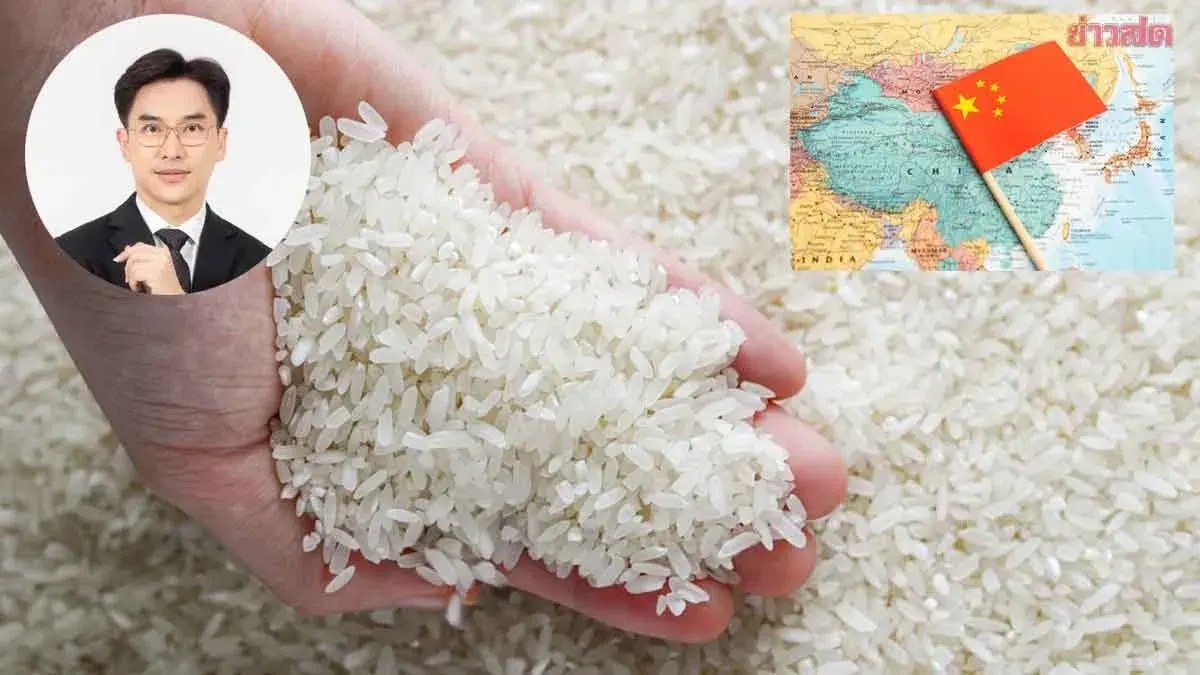
Thai Hom Mali rice is proving a hit in China, where it is being used as a core ingredient to create selling points around aroma and taste. The Department of International Trade Promotion (DITP) is urging Thai operators to speed up processing and add value to tap into the Chinese beverage market. DITP Director-General Waravut Simhawongprasert revealed he has ordered commercial attachés worldwide to expand markets for Thai goods and services, in line with Deputy Prime Minister and Commerce Minister Supamas Isarabhakdi's policy. A recent report from Pharaporn Srira, director of the DITP office in Guangzhou, detailed a survey of Chinese beverage trends showing increasing importance of rice as a primary component in new product development, and opportunities for Thai rice products to expand in China. The commercial attaché cited data from the Ka Men Yin Li Laboratory for August 2026, which tracked 235 new beverage products and found 23, or 9.8%, used rice ingredients. This reflects a shift from rice as a mere texture additive to a main ingredient and base for drinks, especially rice milk and fermented rice, which play key roles in defining the flavor structure of tea and coffee. Leading Chinese beverage brands are actively launching new menus, such as Bawang Chaji's Bingniang series using fermented rice for flavor, and Guming's Matcha You Mi Latte using rice milk made from Thai Hom Mali rice as a base to highlight aroma and project a quality image. In addition, brands including Cotti Coffee, Luckin Coffee, and Yuanqi Forest, along with major retailers such as FamilyMart, Hema, Yiming, and Dingdong, are widely selling rice milk drinks, rice-flavored milk, ice cream, and rice beer. Waravut said the growth of rice-based beverages in China represents a key opportunity for Thailand to shift from exporting raw rice to developing high-value processed products such as rice milk, fermented rice, ready-to-use ingredients for fresh beverage shops, and dessert components. Thai entrepreneurs should accelerate processing innovation to overcome technological limitations — such as aroma extraction, viscosity control, and preventing sedimentation or separation — while complying with Chinese standards and regulations.