Tourism Ministry Unveils 4th National Plan for World-Class Destination
The Ministry of Tourism and Sports has launched the 4th National Tourism Development Plan (2028-2032) with a vision to make Thailand a world-class quality tourism destination. The plan centers on five pillars — value, sustainability, competitiveness, flexibility, and connectivity — and aims to distribute tourism income to local communities while addressing challenges like climate change, workforce development, and regulatory reform.
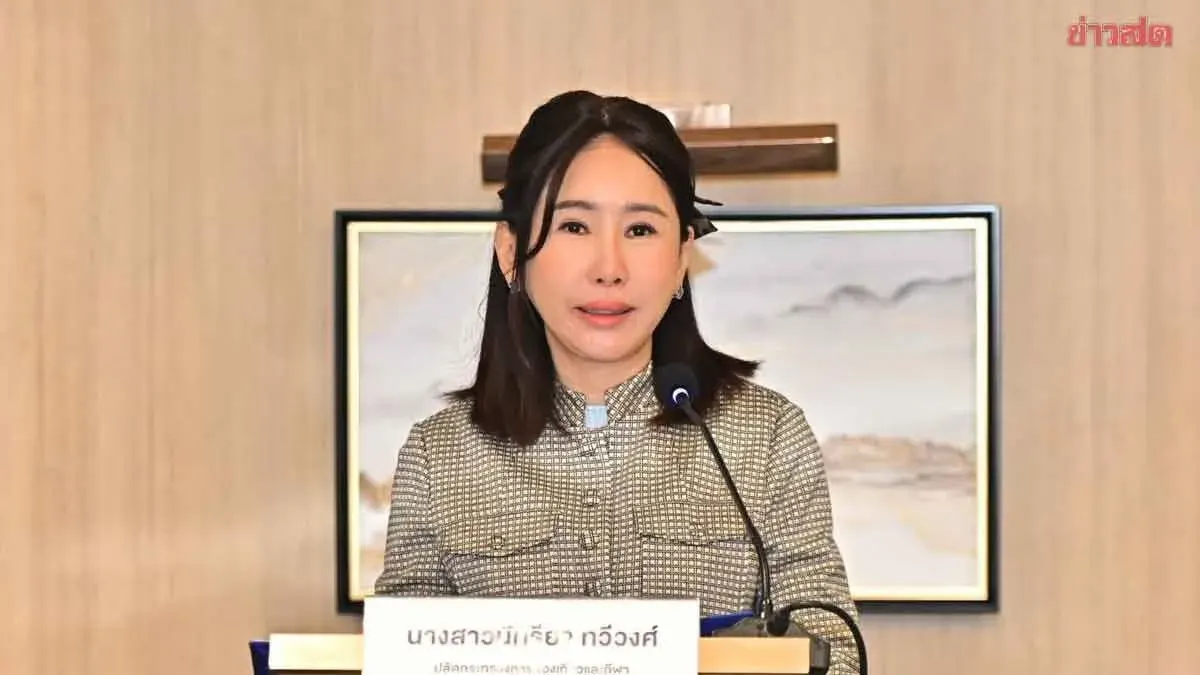
The Permanent Secretary of the Ministry of Tourism and Sports opened a forum to gather opinions from the public, private, and community sectors, highlighting five pillars — Value, Sustainability, Competitiveness, Flexibility, Connectivity — to elevate Thai tourism and distribute income to communities. Ms. Natriya Thiwawong, Permanent Secretary of the Ministry of Tourism and Sports, chaired the opening of a meeting of relevant agencies to create understanding in driving the 4th National Tourism Development Plan (2028-2032), with representatives from government agencies, private sector, civil society, entrepreneurs, communities, and tourism network partners participating. The 4th National Tourism Development Plan sets the vision "Thailand as a World-Class Quality Tourism Destination" and establishes five key development pillars: 1) Value — elevate quality and create added value for Thai tourism; 2) Sustainability — drive tourism toward sustainability and balanced growth; 3) Competitiveness — strengthen the competitiveness of the Thai tourism industry; 4) Flexibility — build a flexible tourism system ready for all changes; and 5) Connectivity — elevate tourism management through data and integrated cooperation to grow the Thai tourism industry with quality and readiness for future changes. The plan also addresses challenges affecting the future of Thai tourism, including generating income and distributing benefits to the people, developing workforce skills to match industry needs, improving regulations to facilitate business and investment, addressing climate change, risk and disaster management, developing surveillance and early warning systems, and linking data between agencies to enhance planning and decision-making efficiency. The core of this meeting is to turn the policy framework into practice by creating shared understanding on translating goals and indicators into operations, linking plans and projects with budgets, integrating inter-agency cooperation, and monitoring and evaluating results so that all sectors move in the same direction and achieve concrete outcomes. Another key highlight is the TALK SESSION, which opened perspectives on the future of Thai tourism from experts and experienced figures in four topics: "When the World Changes, How Can Thai Tourism Remain Sustainable?" by Dr. Adisorn Chairattanapong, Secretary-General of the Association of Thai Travel Agents (ATTA); "The New Competition for Thai Tourism: What Must We Change to Avoid Being Left Behind?" by Mr. Kitti Prasitwut, Chairman of the Smart Tourism Committee, Tourism Council of Thailand; "When Tourism Grows Communities: From Visitors to Value Returning to Local Areas" by Mr. SomSak Boonkham, Founder and CEO of Local Alike Co., Ltd.; and "What Are the New Generation of Tourists Looking for from Thailand?" by Ms. Kamonnate Ruengsri, actress and travel influencer. Perspectives from all four sessions reflect the challenges of Thai tourism in the new era — balancing growth with sustainability, adapting to intense competition, creating value returning to communities, and meeting the needs of new-generation tourists — all crucial factors in shaping the direction of Thai tourism in the coming period. This meeting is thus another important step in building