Vets Urge Vaccination Against Deadly Feline Panleukopenia
Veterinarians are warning cat owners about feline panleukopenia, a highly contagious and often fatal viral disease caused by feline parvovirus. The illness hits kittens and unvaccinated cats hardest, causing severe vomiting, bloody diarrhea, fever, and immune collapse. Experts stress that timely vaccination starting at two months old is the most effective protection, and urge owners to seek immediate veterinary care if symptoms appear.
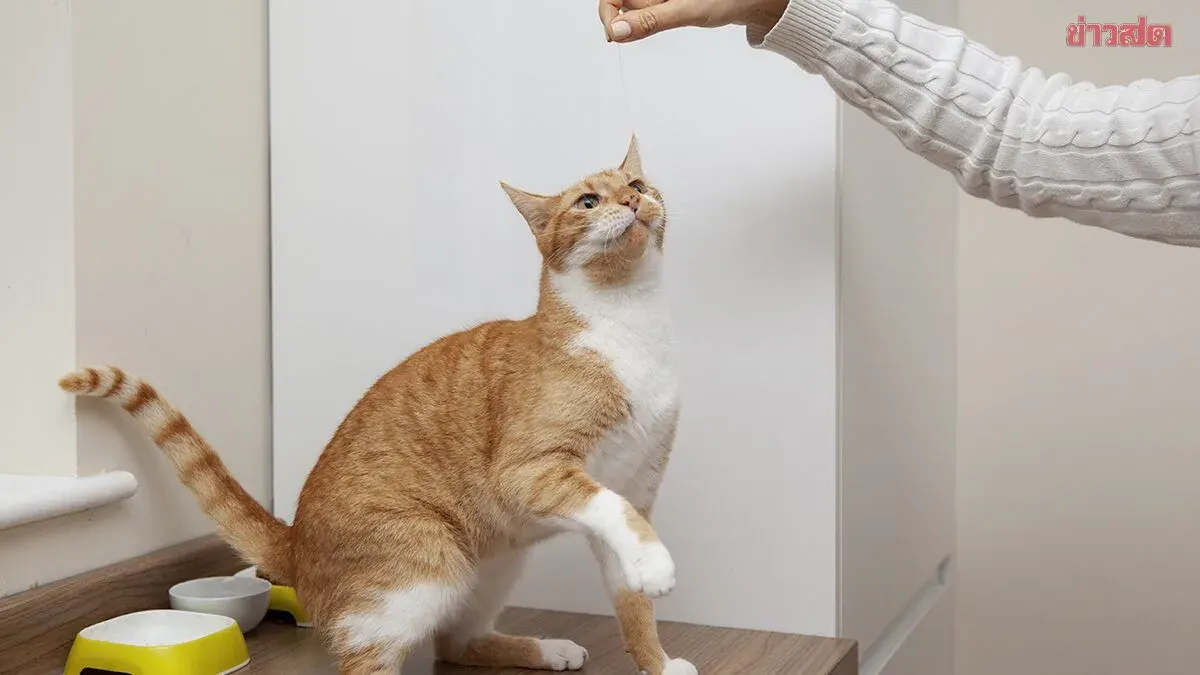
Check symptoms of feline panleukopenia, a severe infectious disease cat owners must not ignore. Many of us are devoted to our adorable, playful, and affectionate cats. Even though cats may appear healthy, lively, and playful, there are still serious infectious diseases that can threaten their health. One of them is feline panleukopenia, also known as feline distemper, a viral disease affecting multiple body systems, especially kittens with immature immune systems.
What is feline panleukopenia? It is caused by feline parvovirus, which damages the gastrointestinal tract, spreads easily, and causes severe symptoms, particularly in cats under one year old or those not fully vaccinated. However, fully vaccinated cats experience milder symptoms and lower mortality rates. Even with good care, cats can contract the virus through contact with infected feces, saliva, or shared items like food bowls, water fountains, treats, or toys. Owners can also unknowingly bring the virus home after touching sick cats outside.
Early symptoms appear after an incubation period of 2-7 days. Watch for: loss of appetite or reduced eating; lethargy, not playing; severe diarrhea with bloody, foul-smelling stool that can lead to dehydration and shock; vomiting food or yellow fluid; abdominal pain; sudden high fever; and low white blood cell count, which may be undetectable in severe cases.
Prevention is through vaccination. Veterinarians recommend starting at two months: first dose at two months, second at three months, third at four months, then boosters every 1-3 years. If a cat contracts the disease, treatment involves supportive care: intravenous fluids, antibiotics to prevent secondary infections, and immune-boosting nutrition. Recovery takes 7-14 days depending on the cat's response and immunity.
Feline panleukopenia is a serious viral disease that spreads easily, especially among kittens under one year and unvaccinated cats, with risk of severe illness and death. Owners should monitor for symptoms like appetite loss, lethargy, vomiting, bloody diarrhea, and high fever, and seek veterinary care immediately if observed.