MNRE Proposes Pollution Control Zones for Three Northern Rivers
Thailand's Ministry of Natural Resources and Environment plans to designate areas along the Kok, Sai, and Ruak rivers in Chiang Mai and Chiang Rai as pollution control zones to address heavy metal contamination. The ministry also approved stricter import controls requiring certification for iron, aluminum, and copper scrap, plus new export tax guidelines. These proposals will be submitted to the National Environment Board on December 2 for final approval.

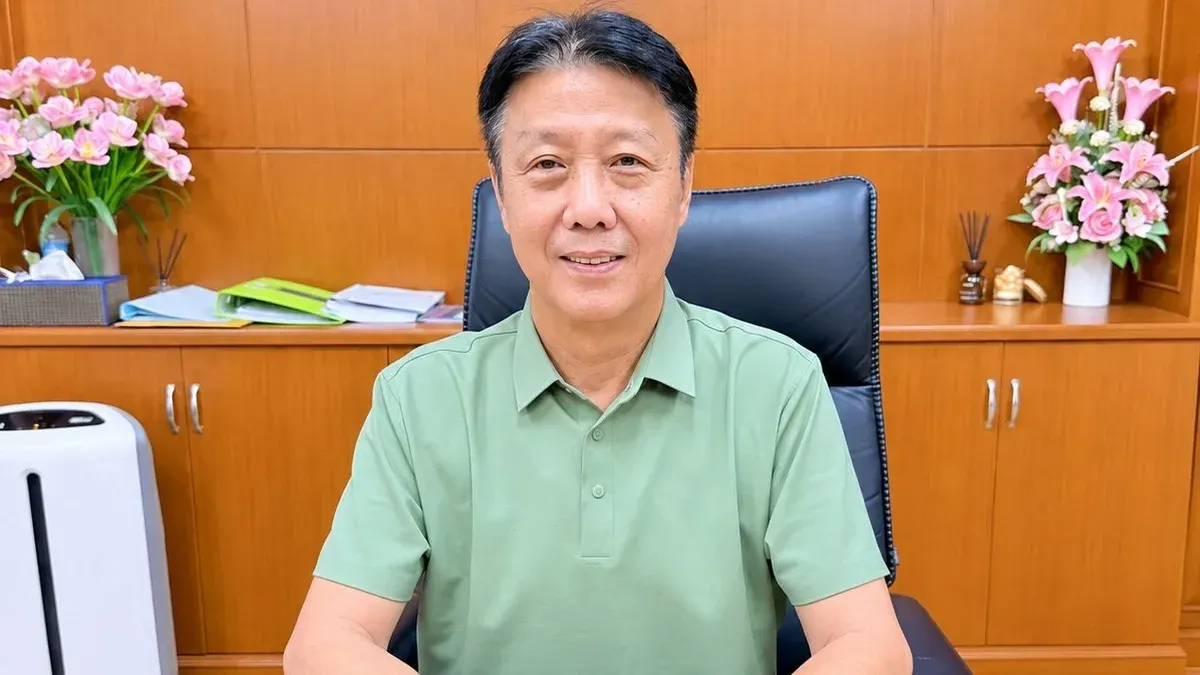
On November 27, 2026, Dr. Rawiwan Phuridech, Permanent Secretary of the Ministry of Natural Resources and Environment, chaired the 5/2026 meeting of the Pollution Control Committee. The committee reviewed elevated strategies to address heavy metal pollution in risk areas near the Kok, Sai, and Ruak rivers in Chiang Mai and Chiang Rai provinces. Members endorsed proposing these areas as pollution control zones under Article 59 of the Enhancement and Conservation of National Environmental Quality Act B.E. 2535, along with draft measures and key guidelines for pollution remediation. These will guide provinces, local administrative organizations, and relevant agencies in preparing action plans to reduce and eliminate pollution in the control zones under Article 60, to be submitted to the National Environment Board on December 2.
The meeting also received reports on industrial smelting operations and water quality in Prachinburi province, plus compliance monitoring results for Environmental Impact Assessment (EIA) measures for projects located there. Additionally, the committee reviewed the Office of Natural Resources and Environmental Policy and Planning's work plan for preparing EIA reports for Category 105 and 106 industrial factory projects in fiscal year 2028.
The committee further considered controls on the import and export of three types of metal scrap: iron, aluminum, and copper. It approved enhanced import controls by requiring metal scrap to have certification and self-certification before entering the kingdom, along with guidelines for setting export tax rates on metal scrap. The Pollution Control Department was tasked with proposing these approaches to the National Environment Board for approval, while the Ministry of Commerce will handle related implementation. All conclusions and proposals from this meeting will be forwarded to the National Environment Board for consideration and further action, leading to systematic pollution management, environmental impact prevention and reduction, and protection of public health and quality of life.