Government to Declare 150km Kok River Pollution Control Zone
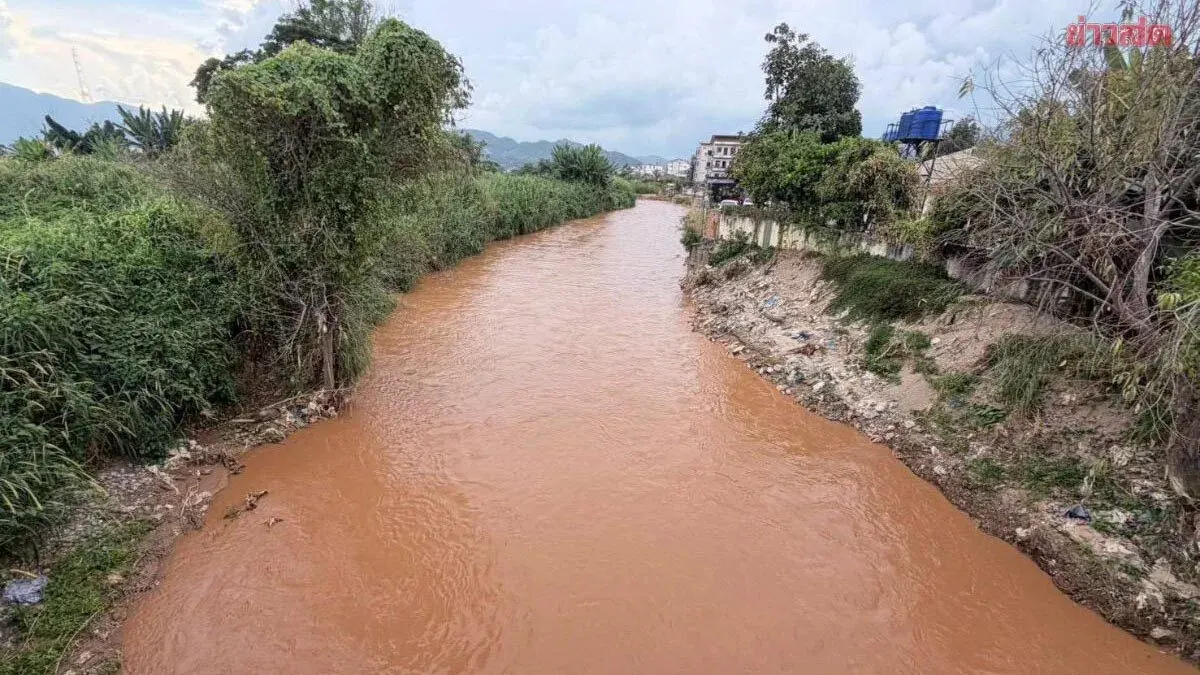
The Thai government plans to designate a 150-kilometer stretch of the Kok River as a pollution control zone to systematically address toxic contamination. The move emphasizes public participation, comprehensive safety testing, accelerated restoration, farmer protection, and accountable inter-agency action plans. Key committees will review the proposal in late November and early December, while parallel talks with Myanmar aim to tackle pollution at its source.
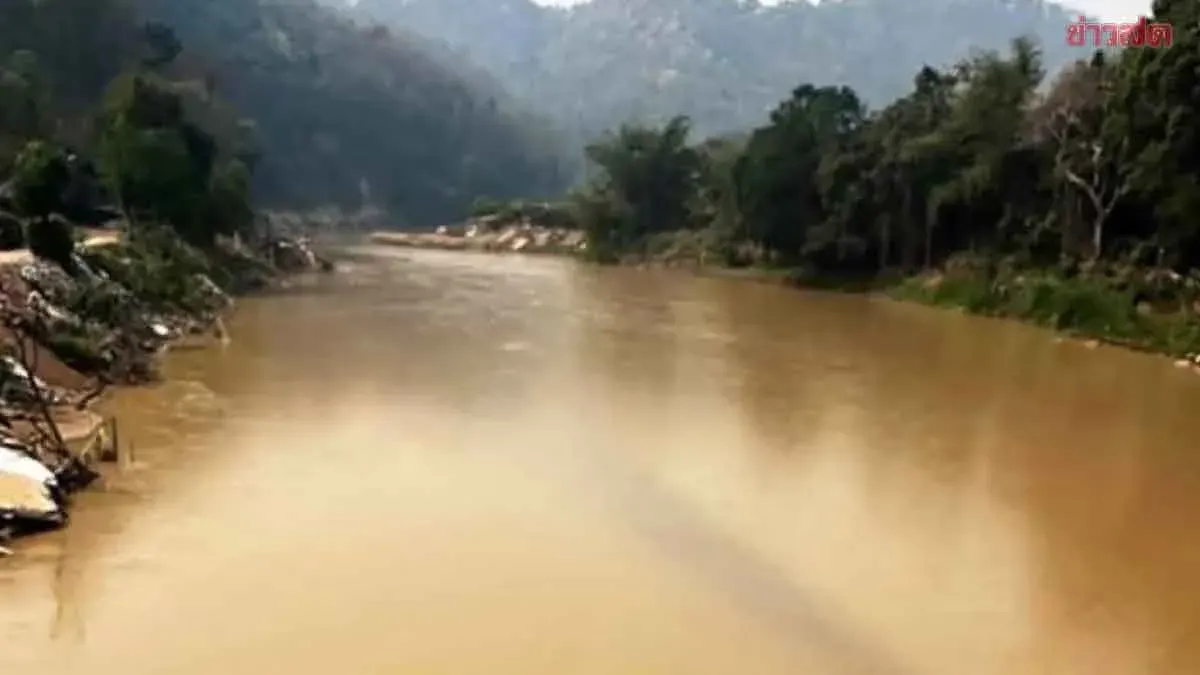
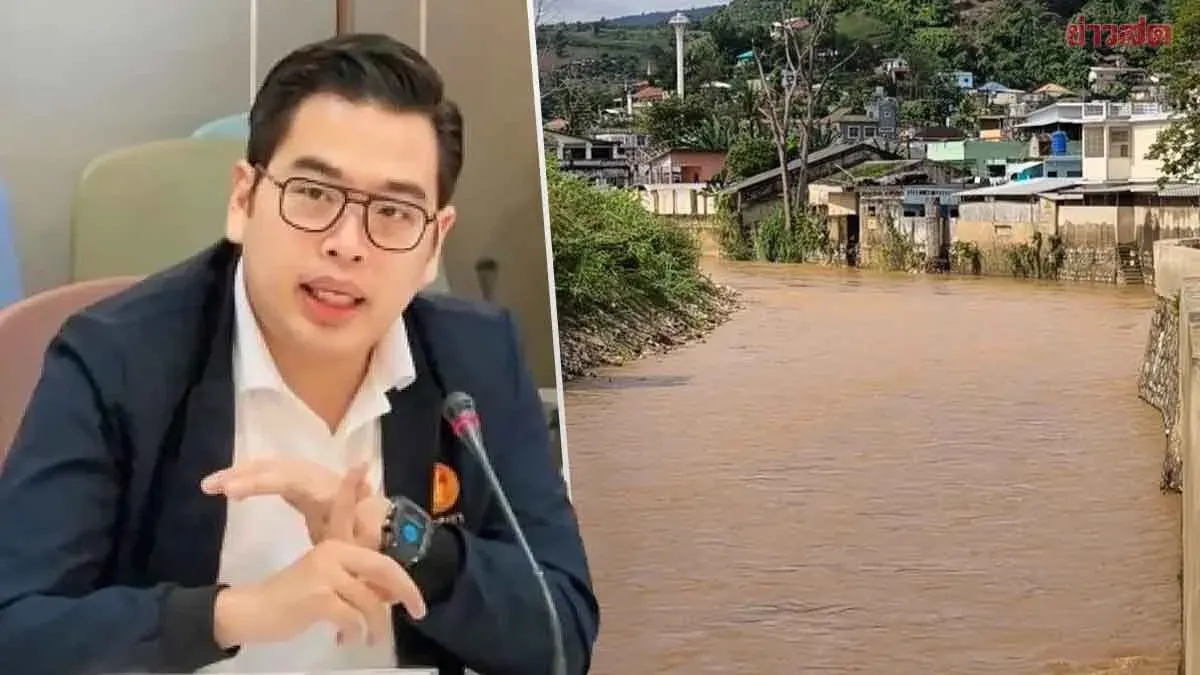
The government is preparing to declare a 150-kilometer stretch along the Kok River as a "pollution control zone," highlighting five benefits and creating an opportunity for the public to help shape plans to address toxic contamination. On November 22, 2026, Deputy Government Spokesperson Lalita Periswattana disclosed that Natural Resources and Environment Minister Suthat Chumklang is set to propose designating the Thai side of the Kok River, covering roughly 150 kilometers, as a "pollution control zone" in line with government policy under Prime Minister Anutin Charnvirakul and the Interior Minister, to elevate the resolution of toxic contamination issues systematically.
The key benefit is that local residents will participate in proposing needs and setting corrective measures, while state agencies must draw up clear operational plans with designated responsibilities and timeframes. Lalita stated that Minister Suthat has instructed the Pollution Control Department to accelerate these measures. The pollution control zone declaration will deliver direct benefits to the public in five areas:
1. Public participation in shaping remediation plans: Residents can submit needs for state agencies to incorporate into pollution reduction and elimination plans, rather than merely waiting for top-down measures. 2. Comprehensive safety verification: Covering water, soil, fish, and agricultural produce to give residents data for water use, consumption, and livelihood decisions. 3. Accelerated restoration of contaminated areas: Enabling measures to manage contaminated water and sediment, including dredging or sediment removal based on scientific principles. 4. Protection of farmers and community income: Pushing for safety certification of produce to build consumer confidence, prevent price suppression, and consider assistance for affected farmers. 5. Concrete inter-agency action: Requiring state agencies to work together with short-, medium-, and long-term plans featuring measurable targets and progress indicators.
The Pollution Control Committee is scheduled to meet on November 27 before submitting to the National Environment Board for consideration on December 2. If approved, the declaration will be published in the Royal Gazette, followed by joint operational planning with provinces and local communities.
The government is also advancing parallel measures, including installing additional real-time water quality monitoring stations, developing analytical laboratories in Chiang Rai and Chiang Mai, securing alternative clean water sources, and preparing for a joint Thai-Myanmar working group meeting on November 25-26 to tackle pollution at its source.
"Declaring a pollution control zone is not merely drawing lines on a map; it is about giving the public a role in deciding how to fix problems that affect their own lives — clean water, safe food, health, and agricultural income," the Deputy Spokesperson said. "The government wants every agency to work together with clear goals so people see tangible, rapid results from the remediation efforts."