Deputy PM Champions Nakhon Phanom as Wellness Hub
Thailand's Deputy PM champions Nakhon Phanom as a wellness hub, proposing the northeastern province as a development center leveraging its strategic position bordering China, Vietnam and Laos through a new medical school and innovation init

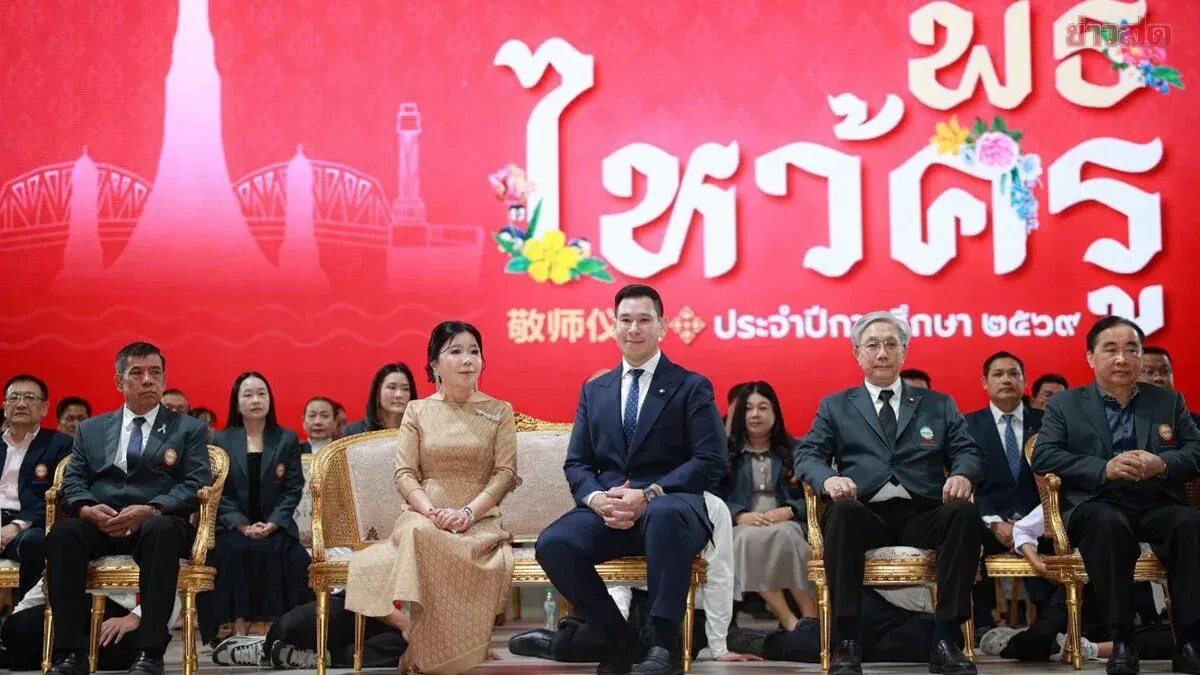
On July 12, 2569, Deputy Prime Minister Yotsanan Wongswaddi and the Minister of Higher Education, Science, Research and Innovation led a delegation to Nakhon Phanom province to inspect and deliver policies for the establishment of the School of Medicine at Sri Chotburi district under Nakhon Phanom University. University President Satit Limpongphand and Rector Thawatchai Suphadist welcomed the delegation, alongside former Transport Ministry Deputy Secretary Monphon Charoensri, a Nakhon Phanom MP from the Pheu Thai Party, and senior provincial officials.
Before the policy handover, university administrators and students greeted the delegation. Nakhon Phanom University presented key achievements including medical school development, the Wellness Hub initiative, research and innovation projects, and the university's role in raising living standards and grassroots economic development in Nakhon Phanom and surrounding areas.
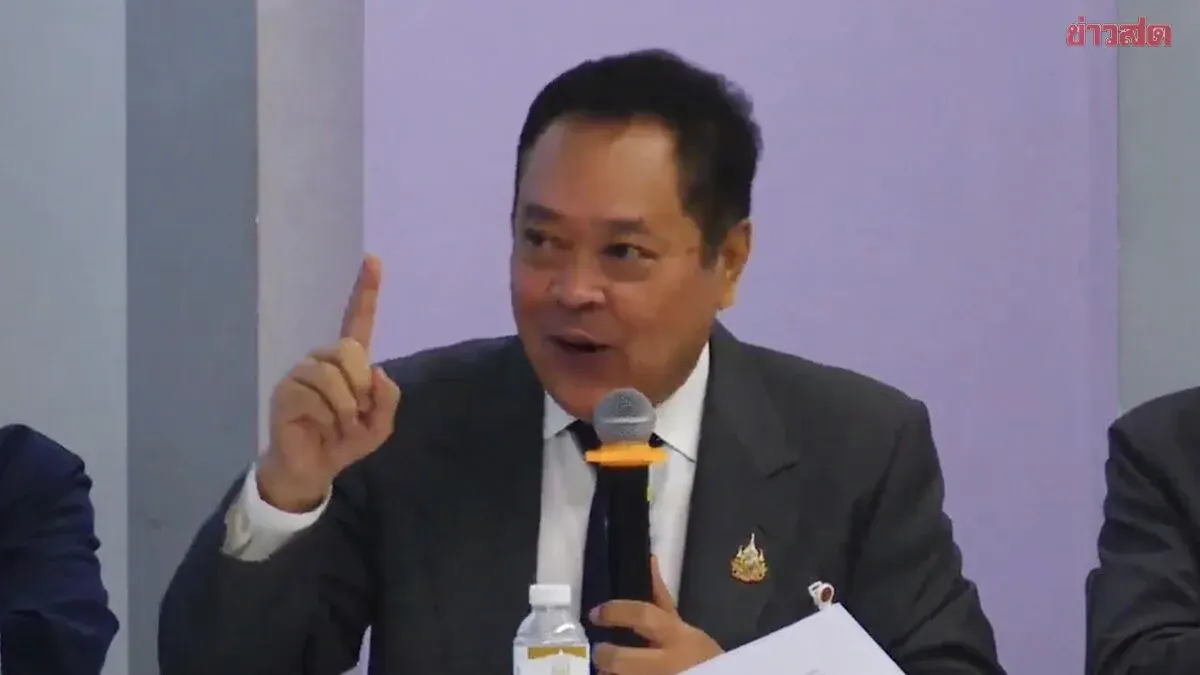
Yotsanan, chairing the medical school establishment progress meeting, outlined comprehensive support for Nakhon Phanom's development, emphasizing technology, innovation, and artificial intelligence. He proposed making Nakhon Phanom a development hub for the Northeast, connecting the Indochina region, particularly as a wellness center. The location's strategic position bordering China, Vietnam, and Laos offers high potential. He cited international examples of prosperous cities far from capital centers that thrived through sector-specific development hubs, with universities serving as mechanisms to reduce inequality and ensure sustainable growth.
Yotsanan later addressed approximately 500 students, delivering a lecture and outlining key policies for new directions in education and economic development. He discussed the new economic structure, noting that despite policy emphasis on growth engines, technology, artificial intelligence, and tech startups, these cannot stand alone without a solid grassroots foundation. A large-scale economy disconnected from grassroots enterprises provides no real benefit.
Regional economies must remain resilient regardless of global downturns. Nakhon Phanom will serve as a model. The Ministry of Higher Education aims to expand community economic areas from approximately 20,000 to 47,000 locations within four years, deploying researchers and university personnel throughout to elevate local resources and enterprises. University projects must source over 70% of inputs from local resources and genuinely distribute income to communities.
Yotsanan highlighted research successes, such as women's groups in Takua Pa district, Narathiwat province, which transitioned from unemployment to economic self-sufficiency through university intervention.