Thonglor Animal Hospital Marks 32 Years with New Health Care Vision
Thonglor Animal Hospital celebrates 32 years by shifting from treating sick pets to proactive prevention and lifelong wellness care, using decades of data to identify disease risks and help pets age healthier.
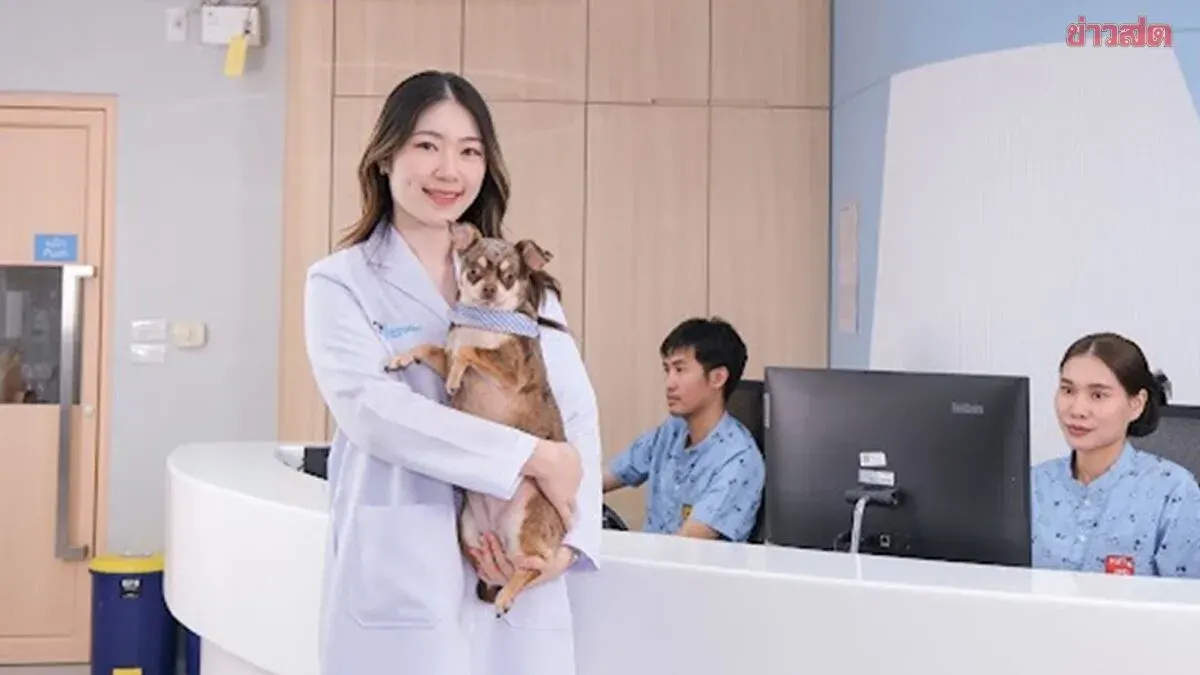
Thonglor Animal Hospital is marking its 32nd anniversary by shifting toward a new approach to pet care, aiming to elevate animal health in the long term through innovation and becoming a comprehensive healthcare partner. On August 21, 2025, the hospital reaffirmed its leadership in veterinary medicine as it enters its 32nd year, announcing its "Next Step of Veterinary Care" philosophy.
The hospital believes that success in pet care is not measured solely by the number of cases treated, but by transcending treatment limitations and changing how care is delivered. Rather than treating pets only after they fall ill, the focus is now on proactive care that slows disease progression, extends healthy lifespans, and improves quality of life at every age. The hospital is shifting its role from healthcare provider to health partner, ready to offer complete, holistic care.
Dr. Kritika Chaisupatnaakul, chair of Thonglor Animal Hospital, explained the hospital's vision: over 32 years, the hospital focused on answering how to best treat sick pets. Moving forward, the critical question is how to help pets age more slowly, live longer, healthier lives, and receive appropriate care at every life stage. Pet owners today want more than recovery from illness—they want their pets to live longer, healthier lives as family members.
The hospital's approach has shifted from reactive to proactive care, built on three principles: Prevent disease, Regress its progression, and Retard decline. This ensures health management begins before problems arise and continues throughout the pet's life.
The core of this next step is leveraging 32 years of accumulated experience and data. With extensive treatment cases, the hospital has built a database revealing disease patterns and risk factors. This allows veterinarians to identify which breeds face certain risks, at what ages screening should begin, and what early warning signs may precede specific diseases. This data transforms past experience into tools for future prevention and care planning—for example, studying heart disease risk in Thai cat breeds to develop faster diagnostic and prevention protocols.
The hospital's ultimate goal is "best patient outcome," which means not only treating illness but restoring genuine quality of life across best practice, best service, and best experience—from standardized treatment and 24-hour surgical teams to positive experiences throughout the care journey.
One proud achievement reflecting this next step is the hospital's capacity to manage complex diseases. Experience has shown that no complex condition can be handled by a single veterinarian alone; it requires multidisciplinary teamwork and appropriate supporting technology. The hospital has successfully managed complex cases requiring specialized techniques, such as cardiac disease treatment using advanced procedures.