Thai Public Broadcaster Auctions 50-Acre Bangkok Land for 9 Billion Baht
Thai state broadcaster MCOT is leasing a 50-acre Bangkok property valued at 9 billion baht to developers, with bidding open through August 2025 as part of its strategy to monetize assets and fund new media ventures.
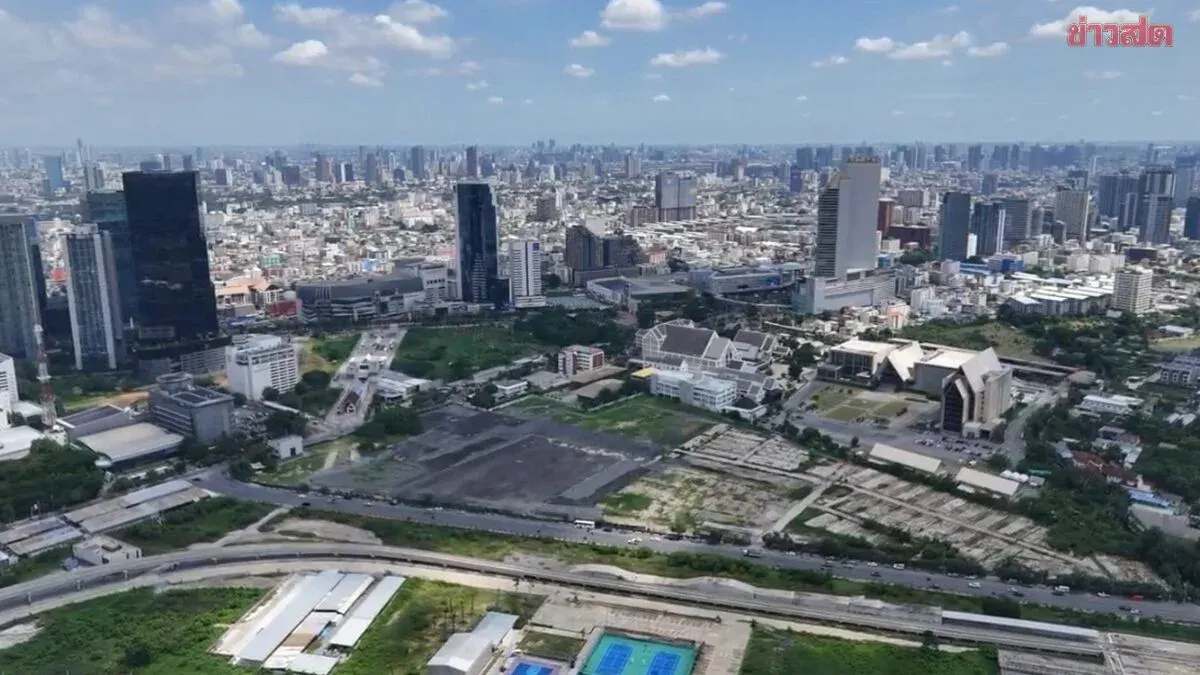
Thai Public Broadcasting Service (MCOT) has launched a tender for long-term leasing rights on a 50-rai plot in the Ratchada–Rama IX district valued at approximately 9 billion baht, with bidding documents available from July 10 to August 26, 2025. Speaking at the launch, MCOT acting chief executive Yada Kasayapananth said the broadcaster is restructuring its business under the MCOT Next strategy, focusing on asset monetization to generate cash flow for operations and investment in new media ventures. Several large real estate companies listed on the stock exchange have already purchased bid documents, though MCOT declined to reveal their identities at this stage.
The 50-rai site is among MCOT's core assets, appraised at approximately 400,000 baht per square wah and valued overall at over 9 billion baht. Rather than selling the land outright, MCOT will lease it long-term to preserve the asset while generating stable future revenue. The location is a major strength—situated in Bangkok's prime business and residential district near Ratchadamri Road, adjacent to the Thailand Cultural Centre and Ministry of Culture to the north, with connections to both the Orange and Blue BTS Skytrain lines. MCOT has signed a memorandum of understanding with Bangkok Mass Transit System (BTS) to request use of BTS land for two 20-meter access points, plus additional access via an easement from the Ministry of Culture.
MCOT is inviting private developers to propose varied uses of the site without restricting to a single business type—options include large-scale projects, office buildings, shopping centers, hotels, or mixed-use developments suited to the location. The surrounding area supports diverse user groups including office workers, residents, tourists, and cultural event attendees, creating strong demand potential for multiple development models.