A deputy director at Nakhon Ratchasima Hospital warns that heart attacks can occur without chest pain, particularly affecting younger people and those with diabetes. Recognize subtle warning signs like unusual fatigue, throat tightness, nau
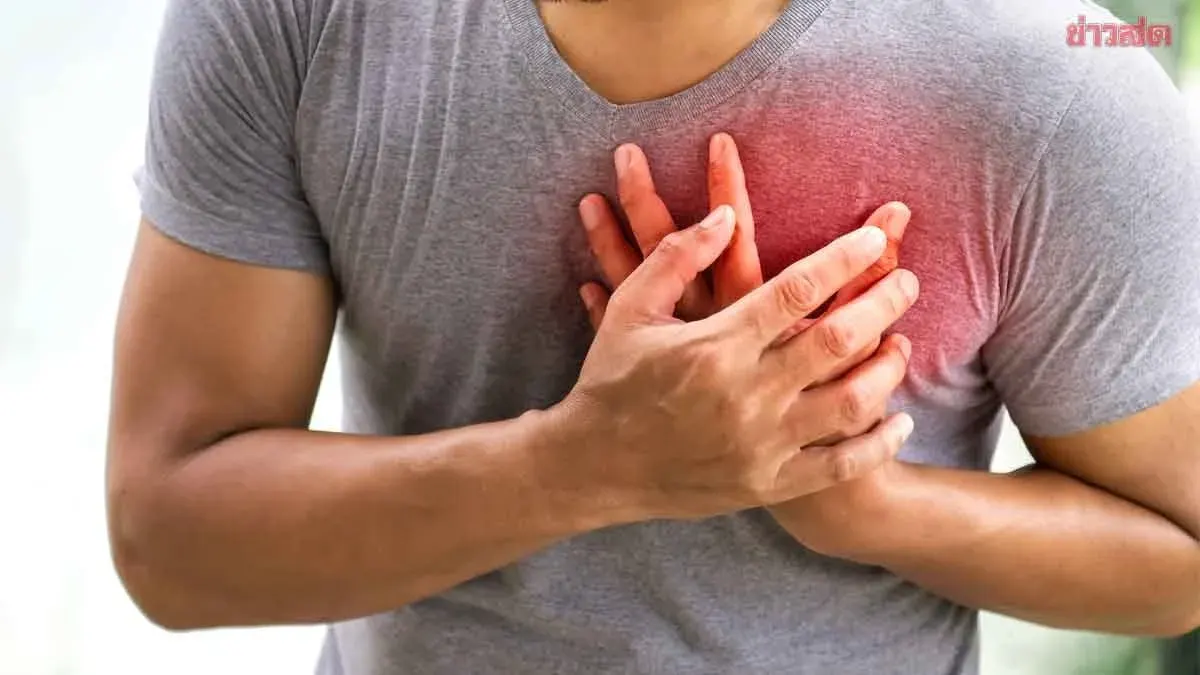
Dr. Jetsada Bunyavongvirojn, Deputy Director of Primary Care at Nakhon Ratchasima Hospital, cautions that heart ischemia can develop without chest pain and outlines warning signs to monitor. Heart disease increasingly affects younger people who may be working, raising children, and planning their futures before suddenly experiencing unusual fatigue, tightness, nausea, or dizziness. Because these symptoms lack the dramatic chest-clutching pain shown in television dramas, many assume they are unrelated to the heart—a dangerous misconception. Heart muscle ischemia need not present as crushing chest pain in everyone, especially in women, elderly patients, and those with diabetes; symptoms may be subtle or appear completely unrelated to cardiac problems.
The good news is that recognizing warning signs allows faster hospital arrival and earlier treatment, reducing heart muscle damage. Six key warning signs to monitor include:
1. Unusual fatigue—previously manageable activities like climbing two flights of stairs now leave you breathless after half a flight, or you tire abnormally fast during routine activities. While multiple conditions cause fatigue, new fatigue triggered by exertion and relieved by rest warrants cardiac concern, as the heart requires increased blood and oxygen during activity; narrowed coronary vessels may deliver insufficient supply.
2. Tightness, heaviness, pressure, or burning in the center of the chest without acute pain. Many patients describe this as heaviness, tightness, a lump in the throat, chest burning, or shortness of breath—symptoms often mistaken for acid reflux or indigestion. If symptoms occur during brisk walking, stair climbing, exertion, or stress and improve with rest, heart ischemia must be considered.
3. Pain or discomfort radiating to the arm, wrist, back, shoulder, or neck. Some patients experience primary symptoms in the left arm, both arms, shoulder, wrist, neck, or upper back rather than the chest. This occurs because nerves carrying sensation from the heart connect to other body regions, causing the brain to mislocalize pain.
4. Nausea, throat tightness, and cold sweating without eating spoiled food. This combination—particularly in women and elderly patients—can appear suddenly with nausea, throat tightness, cold perspiration, paleness, and lightheadedness. While many attribute this to indigestion or stomach problems, sudden onset accompanied by chest tightness, fatigue, or cardiac risk factors warrants cardiac evaluation.
5. Dizziness, heart palpitations, or fainting sensation. Heart ischemia can affect the heart's electrical system, causing palpitations, irregular heartbeat, dizziness, dimming vision, or loss of consciousness—particularly during exertion. Such symptoms require immediate evaluation to rule out coronary narrowing, arrhythmia, or structural heart abnormalities.
6. Cold sweating without obvious cause—no heat, no exercise, just profuse sweating and chills with poor appetite. Combined with chest tightness, fatigue, nausea, or dizziness, this warrants urgent cardiac assessment.