American Woman Finds Black Mold Inside Breast Implants
A Texas woman discovered black mold inside her saline breast implants after years of chronic illness symptoms that resolved following removal surgery, reigniting debate over breast implant safety and the controversial condition known as Bre
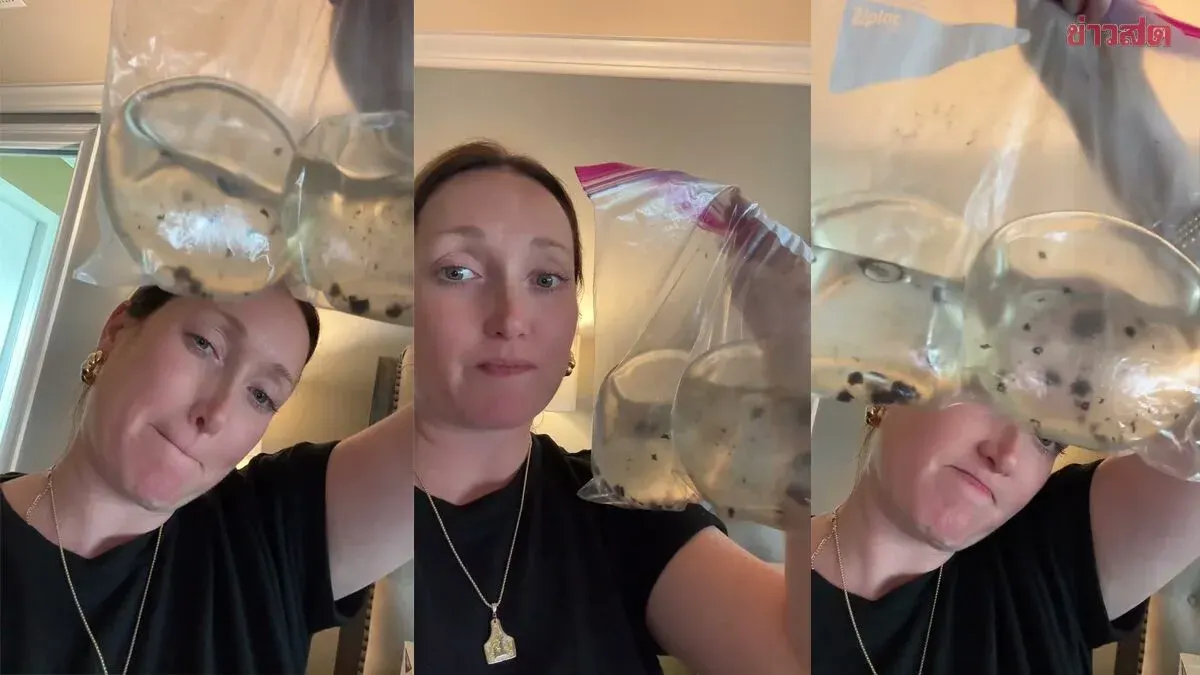
A Texas woman named Lauren has gone viral online after removing her breast implants and discovering black mold inside the saline-filled devices. She had been experiencing chronic health issues including unexplained hives, nausea, vomiting, joint and muscle pain, headaches, severe anxiety, and depression—symptoms that largely resolved after explantation surgery. In videos shared on social media, Lauren displayed her original implants containing large black particulates, noting the implants had been in her chest near her heart for years. She removed them about five years ago and now warns others that "saline implants are not always safe."
Experts confirm that while fungal contamination of breast implants is rare, it can occur if the implant shell is damaged or leaks during surgery, creating conditions favorable for mold growth. Common fungi found include Aspergillus (typically black mold) and Candida species. Lauren is not alone—other patients have reported discovering orange-colored masses resembling fungal growth in their implants before developing symptoms consistent with Breast Implant Illness (BII).
However, BII remains controversial in the medical community, as no direct scientific evidence has established a causal link between breast implants and the reported symptoms. Consequently, BII is not officially recognized as a disease. Reported symptoms include joint pain, muscle pain, weakness, psychiatric issues, brain fog, fatigue, memory loss, chronic pain, hair loss, and skin rashes. Some women have described feeling "poisoned" by their implants, while others report unexplained weight gain. These symptoms can occur with both saline and silicone gel implants, leading increasing numbers of women to seek removal.