Ancient Underground Temple Discovered at Doi Suthep Preserves Chiang Mai's Oldest Murals
Archaeologists uncovered a 700-year-old underground tunnel network at Wat Umong in Chiang Mai featuring remarkably preserved ancient murals and meditation chambers built during the Lanna Kingdom era.
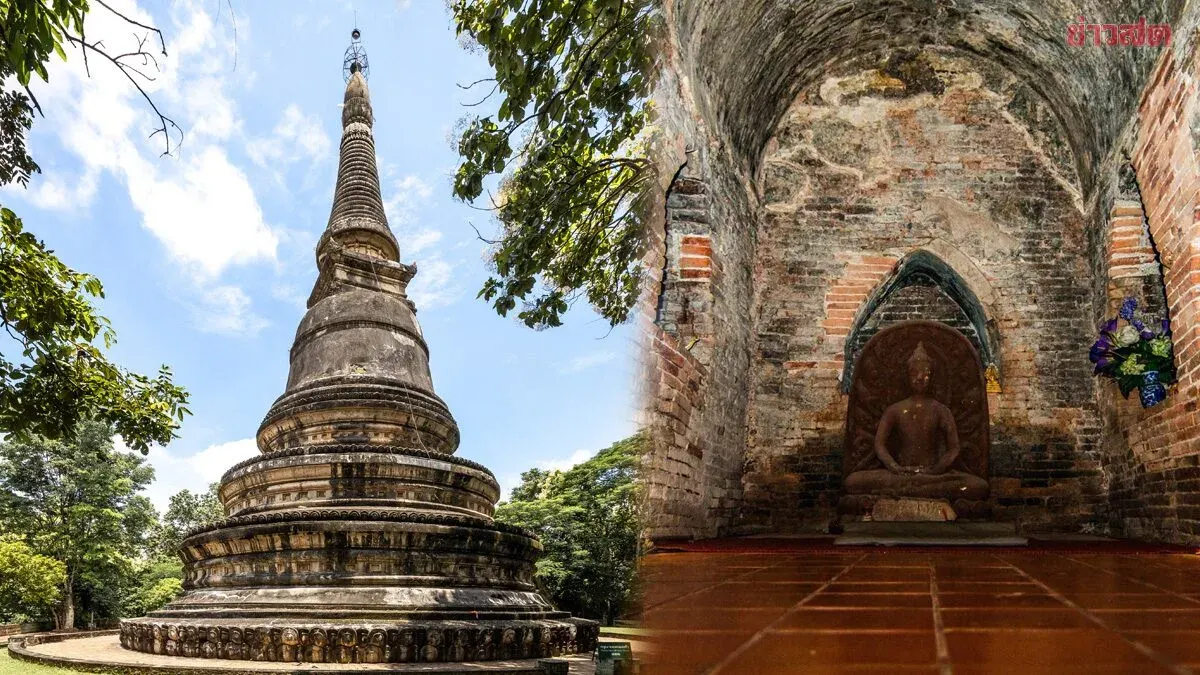
Archaeologists have uncovered an extensive 700-year-old underground tunnel network at Wat Umong, one of Chiang Mai's most historically significant temples located at the foot of Doi Suthep. The temple was established by King Meng Rai in an area once known as "Eleven Bamboo Groves," and expanded by King Khuena with elaborate underground passages designed to provide monks a secluded meditation sanctuary. The vaulted passages feature remarkably preserved ancient murals depicting flora and fauna, along with scattered broken Buddha statues rescued from archaeological sites across Thailand. The complex showcases Lanna Kingdom Buddhist architecture influenced by Sri Lankan design principles, with its maze-like underground corridors and meditation chambers representing a major achievement of medieval Southeast Asian craftsmanship. Officials announced that Wat Umong will undergo high-standard digital restoration of its murals and receive international cultural promotion through partnerships with academic institutions. The discovery has drawn attention from heritage enthusiasts and cultural tourists interested in exploring the temple's spiritual and historical significance.