Understanding Flashover and Backdraft Fire Explosions
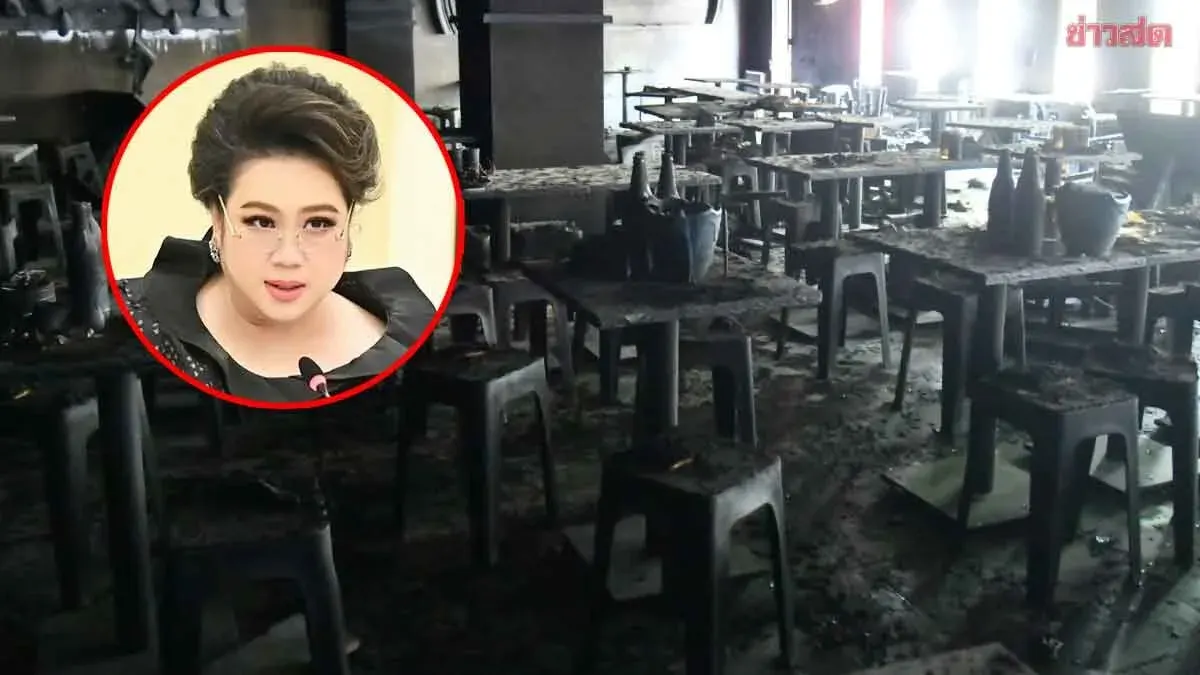
A deadly beer hall fire in Bangkok on July 13, 2026 killed 27 people, likely caused by gas accumulation exploding in a sealed kitchen. The incident highlights flashover and backdraft—dangerous fire phenomena where fuel vapors ignite simulta
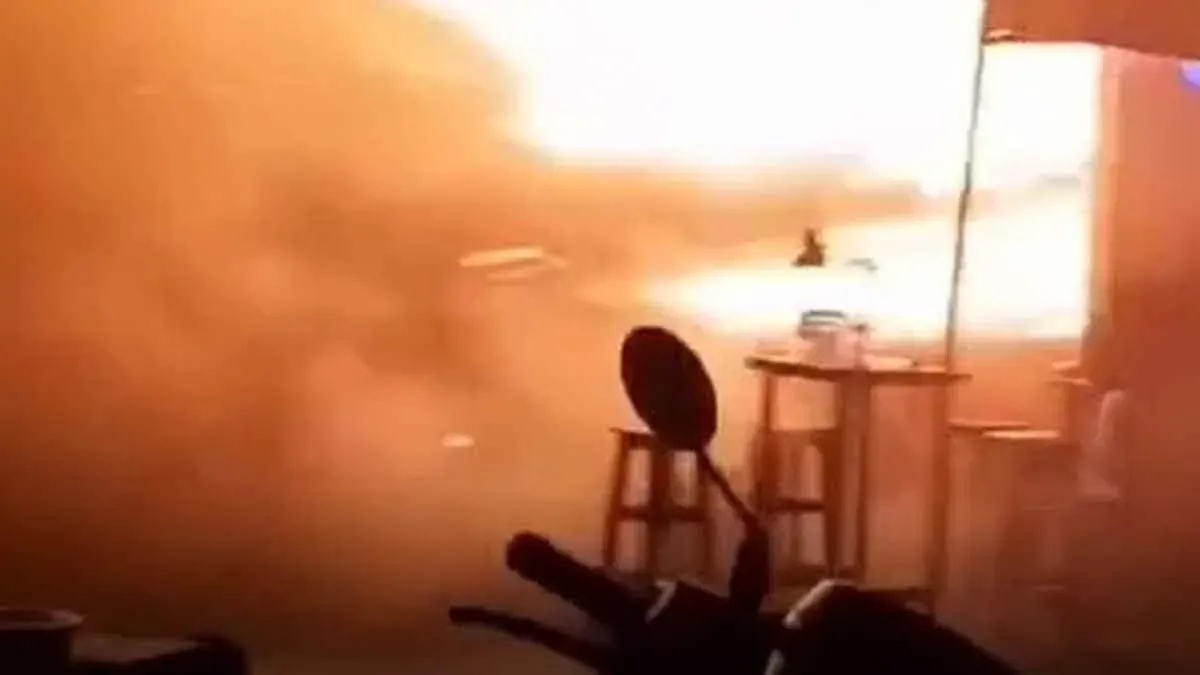
Understanding flashover and backdraft fire explosions—deadly fire phenomena with hidden explosive power—revealing factors and warning signs of imminent severe combustion. On July 13, 2026, a severe fire at a beer hall in the Ladprao area in the early morning hours resulted in 27 deaths and 63 injuries. Video footage captured intense flames erupting violently from the shop entrance, believed to have been caused by gas accumulation in a sealed kitchen before the explosive burst.
According to the Samsen Fire and Rescue Station website, flashover occurs when fuel vapors inside a sealed, enclosed building undergo simultaneous combustion instantaneously, causing flames to engulf a room in a split second. Smoke and heat accumulate beneath the ceiling, and as temperature rises, heat radiation spreads downward, causing fuel to emit vapor throughout the room until reaching the ignition temperature, at which point all fuel ignites simultaneously.
Fire gas ignition is the explosion of flames from fuel vapors, typically occurring when flames are carried to vapor-gas mixtures with sufficient oxygen present. Heat can also transfer from one room to another, creating ignition conditions.
Vapor can leak through air ducts and gaps to other rooms and accumulate throughout building structures, such as ceilings and under stairs, requiring no additional air for combustion since the fire already has ready-to-ignite vapor and gas mixtures.
Backdraft is an explosion caused by outside air rushing into fuel or smoke that hasn't ignited or is dying, also called smoke explosion. It occurs when smoke suddenly ignites violently due to oxygen being introduced into a sealed space where oxygen has become depleted or nearly exhausted.
When the fire remains hot but not fully extinguished and doors or openings allow outside air to flow in, all combustion factors become complete, causing rapid, violent ignition resembling an explosion.
Warning signs of impending backdraft include extremely thick black smoke, smoke pulsing in and out through door and window cracks, smoke being forcefully pushed outward, rooms or buildings that are tightly sealed with poor ventilation, and walls with extremely high temperatures.
Before backdraft occurs, smoke can be observed pulsing in and out of openings, with thick black smoke visible through windows while the room fills with heat, carbon monoxide, and other vapors. When a door opens, internal smoke rushes out due to higher internal pressure, and cooler outside air is drawn in at the lower part of the room, mixing carbon monoxide gas with fresh outside air containing 21% oxygen, gradually flowing toward the fire source and displacing hot air upward, with flames visible at lower levels.