Arsenic Contamination Threatens Thailand's Major River Systems
Arsenic contamination has spread across Thailand's major river systems — including the Ping, Wang, Yom, Nan, Chao Phraya, Mekong, and Salween — turning many areas into health risk zones. The odorless, colorless toxin accumulates in the body over time, causing cancer, organ damage, and potentially fatal poisoning. Authorities urge regular water testing, safe food sourcing, and immediate washing after exposure to contaminated soil or water.
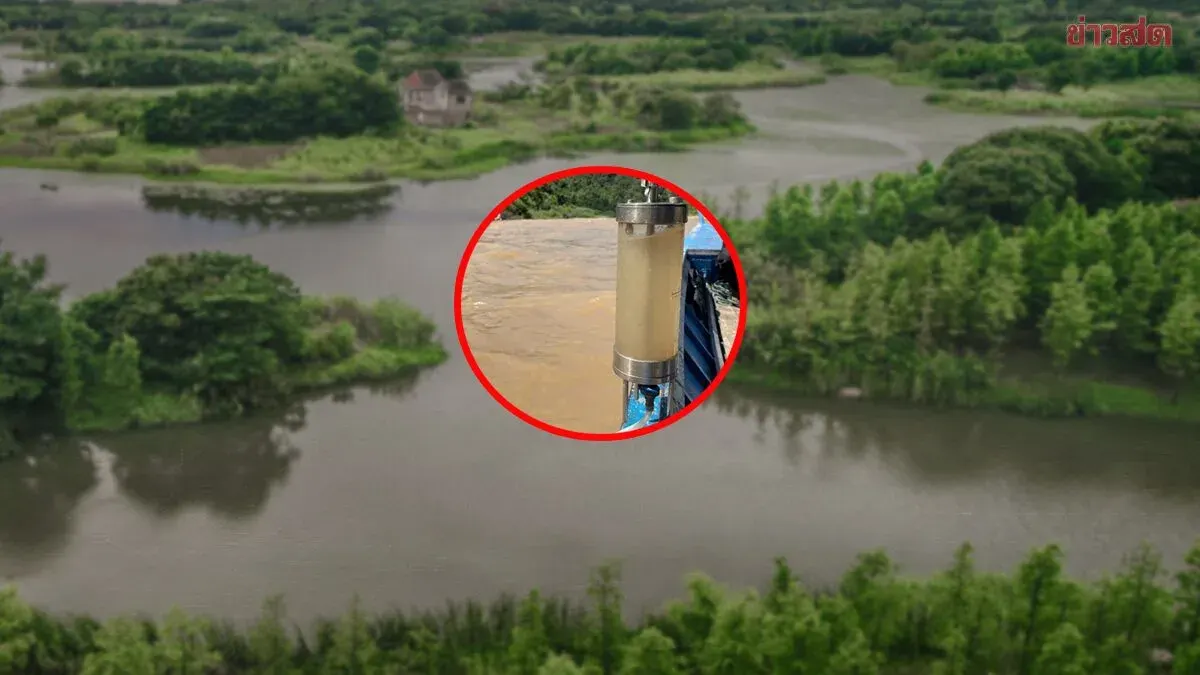
Arsenic is a toxic substance currently plaguing Thailand, spreading aggressively until many areas have become random risk zones — including the Ping, Wang, Yom, Nan, Chao Phraya, Mekong, and Salween rivers, plus tributaries flowing from them.
Arsenic is an element found in certain minerals. When rock layers and minerals erode, arsenic washes along with them, contaminating water and soil. It exists in multiple forms, both inorganic (highly toxic) and organic (less toxic). Arsenic has no color, odor, or taste, making it impossible to detect by the senses alone. While it does not kill immediately upon entering the body, it accumulates over time; the higher the accumulation, the greater the danger. Severe cases damage skin, the nervous system, digestive system, cardiovascular system, and increase the risk of multiple cancers. Acute poisoning causes rapid symptoms: nausea, vomiting, severe abdominal pain, severe diarrhea, fatigue, dizziness, arrhythmia, muscle weakness, convulsions — and massive doses can cause unconsciousness, shock, and death.
Natural geological erosion takes a long time, so arsenic is not usually released in large amounts naturally. However, human activities accelerate its release, including:
- Mining and metal smelting, which often release arsenic as smoke, dust, and wastewater into the environment. - Pesticides and agricultural chemicals — older pesticides contained arsenic and were widely used in farming, contaminating soil and nearby water sources for years, even after use stopped. - Various industrial plants such as glass and semiconductor factories, leather tanning, wood preservation, and electronics manufacturing. - Fossil fuel combustion — burning coal and oil in power plants and industries releases arsenic via smoke, which eventually settles on land and contaminates surrounding soil and water.
Arsenic can be found in natural water sources, groundwater, wells, rivers, canals, and lakes, as well as in soil and air near agricultural areas, industrial zones, or mining sites. It also enters the food chain: when soil, water, and air are contaminated, crops, vegetables, fruits grown near rivers, and aquatic animals may absorb arsenic.
How to know if arsenic is in your body?
Currently, you can get tested by a doctor using various methods: urine tests, blood tests, and hair or nail analysis. Testing water sources — especially for those living near natural water sources or at-risk water supplies, including drinking water — is also recommended.
Prevention guidelines: Ensure drinking water and water sources are quality-tested. Choose food from reliable, clean, and safe sources. Maintain good personal hygiene. If you come into contact with soil, dust, or water with high contamination risk, wash your body immediately with soap and clean water. Avoid traveling to areas...