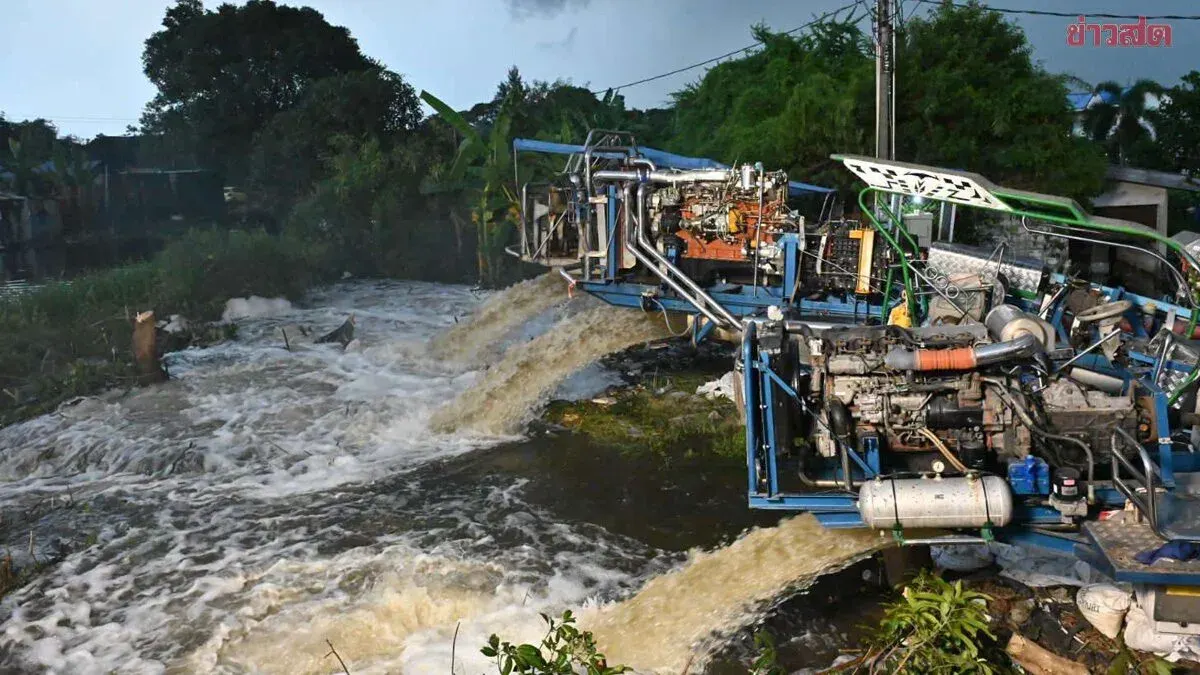
Ayutthaya Warned of 10cm Water Rise from Dam Release
AYUTTHAYA — 4 October 2026, The Office of the National Water Resources (ONWR) has warned residents along the Chao Phraya and Noi rivers in Ayutthaya that water levels could rise by about 10 centimetres on Sunday, as runoff moves downstream from the Chao Phraya Dam. ONWR Deputy Secretary-General Paitoon Kengkanchang said at Government House at […]
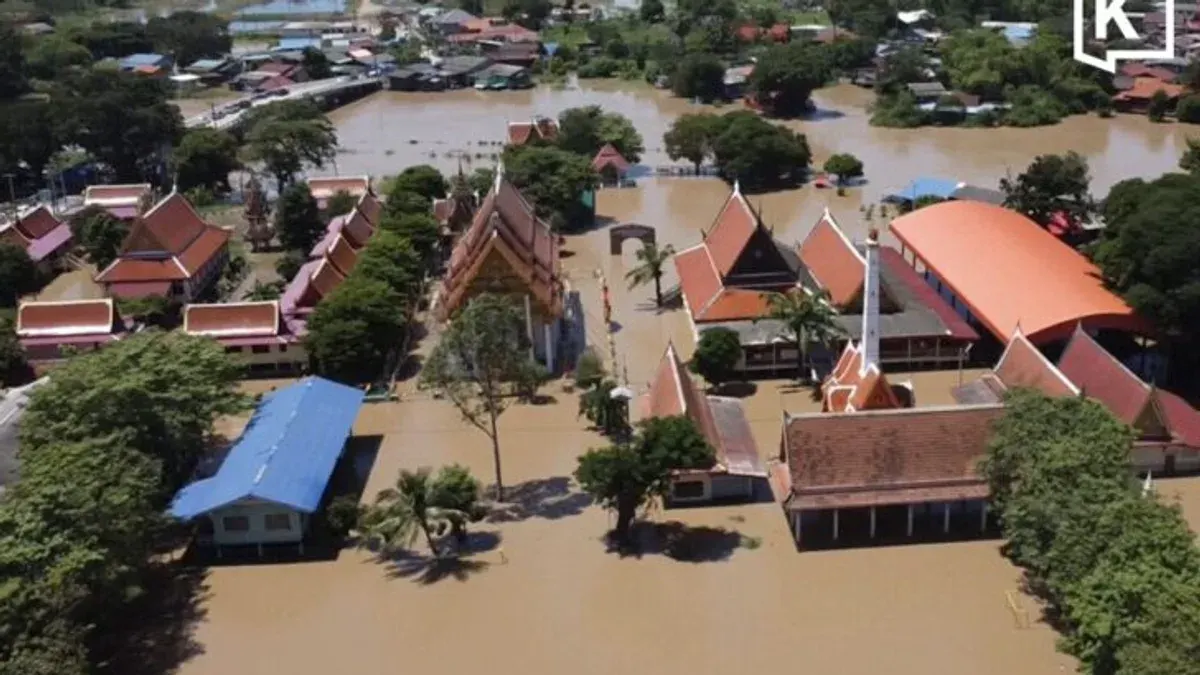
AYUTTHAYA — 4 October 2026, The Office of the National Water Resources (ONWR) has warned residents along the Chao Phraya and Noi rivers in Ayutthaya that water levels could rise by about 10 centimetres on Sunday, as runoff moves downstream from the Chao Phraya Dam. ONWR Deputy Secretary-General Paitoon Kengkanchang said at Government House at 10:00 on Sunday that flows from the Ping and Nan rivers into the Chao Phraya basin were declining.
At 09:00, the combined flow at Nakhon Sawan stood at about 2,119 cubic metres per second, while discharge from the Chao Phraya Dam remained at 2,500 cubic metres per second because the Sakae Krang River was still carrying a large volume of water. Paitoon said flows in the Sakae Krang River were expected to fall within two to three days, which would allow water discharge to be maintained at a more stable level. At the Pa Sak Jolasid Dam, inflow and outflow were currently about equal, with discharge at approximately 450 cubic metres per second. This has resulted in a discharge of 655 cubic metres per second at the Rama VI Dam in Tha Ruea district, Ayutthaya. However, areas of Ayutthaya along the Chao Phraya and Noi rivers could see water levels rise as water released from the Chao Phraya Dam reaches the province on Sunday. Water levels could increase by around 10 centimetres, Paitoon said. The water will then move downstream towards Pathum Thani, Nonthaburi, Bangkok and Samut Prakan. Paitoon said the main protected areas in those provinces were not expected to be affected because flood embankments in Pathum Thani, Nonthaburi and Bangkok were generally high enough to handle the water. However, some low-lying areas and communities outside flood embankments could still be affected. Paitoon also said western reservoirs still had capacity to receive more water.
Vajiralongkorn Dam has capacity for about another 83 million cubic metres of water. It is currently releasing about 40 million cubic metres per day, while daily inflow is around 45 million cubic metres. He said inflow and outflow had now reached a near balance, keeping the reservoir level stable. Srinagarind Dam is at 95.55% of capacity but can still receive more than 700 million cubic metres of water. Downstream of the Mae Klong Dam, flows are currently above 1,100 cubic metres per second. Water levels along the Mae Klong River have returned within their banks in almost all areas. This should allow floodwater in Ratchaburi and Samut Songkhram, including Bang Khonthi and Amphawa districts, to gradually drain back into the Mae Klong River. However, the process could take some time because the area is affected by sea tides. Paitoon said the Meteorological Department had forecast heavy rain in Kaeng Krachan district of Phetchaburi, which could require increased releases from Kaeng Krachan Dam. The provincial governor and the Royal Irrigation Department have established a situation management centre to provide information to residents. In the eastern region, wate